Literature and War Readalong 2017

house-made-of-dawnmagnusclosely-observed-trainsthe-warpoems-of-the-great-warvoices-from-stone-and-bronzeconvoymemorandumceremonysuite-francaisethe-oppermanns

Some Literature and War Readalong lists took a long time. Not this one. The only thing that took some time was deciding whether I wanted to choose twelve books like I used to or only five like I did in the last two years. In the end, I decided for a compromise and that’s why this year’s list has ten titles, three of which will be the readalong books for May. Usually the summer months and the end of December have never been ideal dates, so I’m skipping those.

Now to my book choices. As you will see, with one exception, they are all focussing on WWII. I always strive for diversity and this year is no exception. There are books from five different countries on the list. Every year I include American novels, this year, to make a statement, I chose two Native American writers. Three of the other novels are French, one is Czech, and one German. May’s choice(s) are special because, for the first time, I decided to include poems. We will be reading and discussing British war poems. Some from poets who wrote during WWI, some from contemporary poets like Vanessa Gebbie and Caroline Davies. I’d like to thank Caroline for suggesting I include poems.

Here are the books and their blurbs.
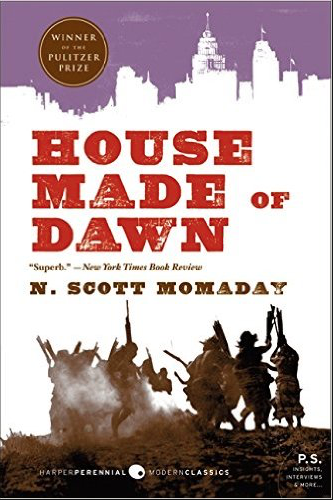
house-made-of-dawn

January, Tuesday 31

House Made of Dawn by N. Scott Momaday, 208 pages, US 1966, WWII

The magnificent Pulitzer Prize-winning novel of a stranger in his native land

A young Native American, Abel has come home from a foreign war to find himself caught between two worlds. The first is the world of his father’s, wedding him to the rhythm of the seasons, the harsh beauty of the land, and the ancient rites and traditions of his people. But the other world — modern, industrial America — pulls at Abel, demanding his loyalty, claiming his soul, goading him into a destructive, compulsive cycle of dissipation and disgust. And the young man, torn in two, descends into hell.

magnus

February, Tuesday 28

Magnus by Sylvie Germain, 190 pages, France 2005, WWII

Magnus is a deeply moving and enigmatic novel about the Holocaust and its ramifications. It is Sylvie Germain’s most commercially successful novel in France. It was awarded The Goncourt Lyceen Prize. Magnus’s story emerges in fragments, with the elements of his past appearing in a different light as he grows older. He discovers the voices of the deceased do not fall silent. He learns to listen to them and becomes attuned to the echoes of memory.

closely-observed-trains

March, Friday 31

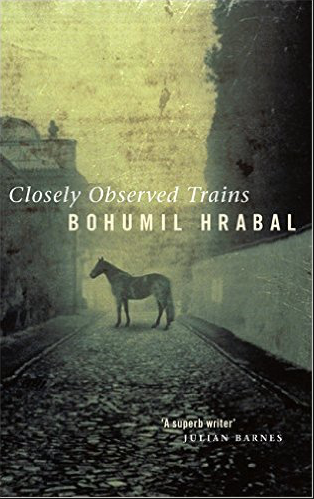
Closely Observed Trains – Ostře sledované vlaky by Bohumil Hrabal, 96 pages, Czech Republic 1965, WWII

For gauche young apprentice Milos Hrma, life at the small but strategic railway station in Bohemia in 1945 is full of complex preoccupations. There is the exacting business of dispatching German troop trains to and from the toppling Eastern front; the problem of ridding himself of his burdensome innocence; and the awesome scandal of Dispatcher Hubicka’s gross misuse of the station’s official stamps upon the telegraphist’s anatomy. Beside these, Milos’s part in the plan for the ammunition train seems a simple affair.

the-war

April, Friday 28

La douleur  – The War by Marguerite Duras, 217 pages, France 1985, WWII

This 1944 diary of a young Resistance member, written during the last days of the French occupation and the first days of the liberation, is only now being published – Duras says she forgot about it during the intervening years, and only recently rediscovered it in a cupboard. The loneliness and ambivalence of love and war have appeared in Duras’ work before, from The Lover to Hiroshima Mon Amour, in which a Frenchwoman reveals to her Japanese lover, after the bomb, that she was tortured and imprisoned in postwar France for her affair with a German soldier. In the first section of The War, Duras the heroine waits for her husband to return from the Belsen concentration camp. When De Gaulle (“by definition leader of the Right – “) says, “The days of weeping are over. The days of glory have returned,” Duras says, “We shall never forgive him.” It’s because he’s denying the people’s loss. When her husband returns, she has to hide the cake she baked for him, because the weight of food in his system can kill. (We are spared no detail of his physical degradation, even to being told the color of his stools.) When he is stronger, she tells him she is divorcing him to marry another Resistance member. In the second section, set earlier, at the time of her husband’s arrest, a Gestapo official plays a cat-and-mouse game with Duras, to whom he’s attracted, preying on her desperation to help her husband. In the third section, post-liberation, she switches roles, becomes an interrogator as Resistance members torture a Nazi informer. She also half-falls in love (with characteristic Duras dualism) with a young prisoner who childishly joined the collaborationist forces out of nothing more than a passion for fast cars and guns. In her preface, Duras says it “appalls” her to reread this memoir, because it is so much more important than her literary work. Certainly, like everything she has written in her spare, impassive voice, the book is at once elegant and brutal in its honesty: in her world, we are all outcasts, and the word “liberation” is never free of irony. A powerful, moving work. (Kirkus Reviews) –This text refers to an out of print or unavailable edition of this title.

poems-of-the-great-warvoices-from-stone-and-bronzememorandum

May, Wednesday 31

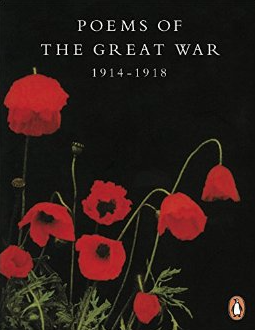
Poems of the Great War

Published to commemorate the eightieth anniversary of Armistice, this collection is intended to be an introduction to the great wealth of First World War Poetry. The sequence of poems is random – making it ideal for dipping into – and drawn from a number of sources, mixing both well-known and less familiar poetry.

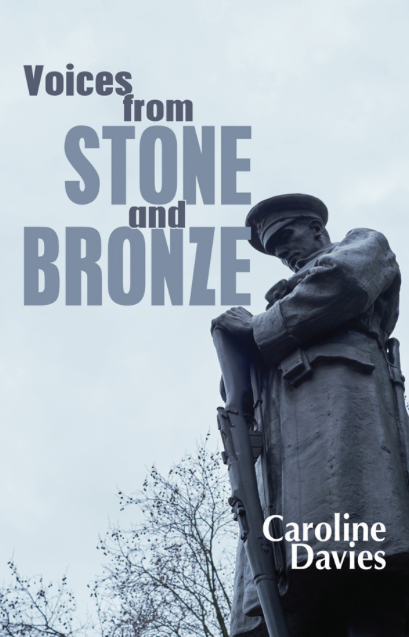
Voices from Stone and Bronze by Caroline Davies

A moving, honest and never sentimental collection that gives a voice to London’s many war memorials.
In her second poetry collection Caroline Davies turns her attention to the War Memorials of London. Voices from Stone and Bronze brings to life those who fought and died and those who survived, including some of the sculptors who had themselves come through trench warfare to a changed world.
Meticulously researched and deeply humane, these narrative poems apply a lyrical sensibility without sentimentalism; a deeply affective collection.

Memorandum by Vanessa Gebbie

Memorandum is a haunting collection of poems that summons voices from the shadows of the First World War. Vanessa Gebbie transforms prosaic records of ordinary soldiers, and the physical landscape of battles, war graves and memorials, into poignant reflections on the small and greater losses to families and the world. Vanessa Gebbie is a writer of prose and poetry. Author of seven books, including a novel, short fictions and poetry, her work has been supported by an Arts Council England Grant for the Arts, a Hawthornden Fellowship and residencies at both Gladstone’s Library and Anam Cara Writers’ and Artists’ Retreat. She teaches widely. http://www.vanessagebbie.com “From the idea of a shell reverting to its unmade, peaceful state to dead men buried in Brighton and France being mourned by their mother in Glasgow … heartrending images such as the Tower of London’s ceramic poppies seen as callow recruits, doubts about a corpse’s identity and how dregs at the bottom of a cup can be reminiscent of the deadly Flanders mud. This is a modern view, wise and compassionate, of Europe’s fatal wound.” Max Egremont, author of Siegfried Sassoon and Some Desperate Glory, The First World War the Poets Knew “Vanessa Gebbie is that rare breed of poet who understands the trials and tribulations of the ordinary Tommy.” Jeremy Banning, military historian and researcher, battlefield guide “The dead who linger around memorials and battlefields slowly step again into the light. History may remember them collectively, but Gebbie’s achievement is to present, with sensitivity and without sentimentality, lives rooted in the particular rhythms of hometowns, families, and memories.” John McCullough, author of Spacecraft and The Frost Fairs “These poems rise like ghosts from a scarred landscape.” Caroline Davies, author of Convoy

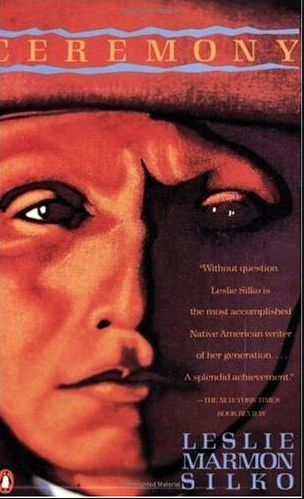
ceremony

September, Friday 29

Ceremony by Leslie Marmon Silko, 243 pages, US 1977, WWII

The great Native American Novel of a battered veteran returning home to heal his mind and spirit
More than thirty-five years since its original publication, Ceremony remains one of the most profound and moving works of Native American literature, a novel that is itself a ceremony of healing. Tayo, a World War II veteran of mixed ancestry, returns to the Laguna Pueblo Reservation. He is deeply scarred by his experience as a prisoner of the Japanese and further wounded by the rejection he encounters from his people. Only by immersing himself in the Indian past can he begin to regain the peace that was taken from him. Masterfully written, filled with the somber majesty of Pueblo myth, Ceremony is a work of enduring power. The Penguin Classics Deluxe Edition contains a new preface by the author and an introduction by Larry McMurtry.

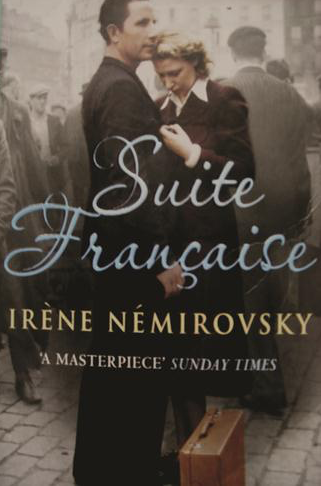
suite-francaise

October, Tuesday 31

Suite Française by Irène Nemirovsky, 432 pages, France 1942, WWII

Set during the year that France fell to the Nazis, Suite Française falls into two parts. The first is a brilliant depiction of a group of Parisians as they flee the Nazi invasion; the second follows the inhabitants of a small rural community under occupation. Suite Française is a novel that teems with wonderful characters struggling with the new regime. However, amidst the mess of defeat, and all the hypocrisy and compromise, there is hope. True nobility and love exist, but often in surprising places.

Irène Némirovsky began writing Suite Française in 1940, but her death in Auschwitz prevented her from seeing the day, sixty-five years later, that the novel would be discovered by her daughter and hailed worldwide as a masterpiece.

the-oppermanns

November, Wednesday 29

The Oppermanns  – Die Geschwister Oppermann by Lion Feuchtwanger, 416 pages, Germany 1934, WWII

First published in 1934 but fully imagining the future of Germany over the ensuing years, The Oppermanns tells the compelling story of a remarkable German Jewish family confronted by Hitler’s rise to power. Compared to works by Voltaire and Zola on its original publication, this prescient novel strives to awaken an often unsuspecting, sometimes politically naive, or else willfully blind world to the consequences of its stance in the face of national events — in this case, the rising tide of Nazism in 1930s Germany. The past and future meet in the saga of the Oppermanns, for three generations a family commercially well established in Berlin. In assimilated citizens like them, the emancipated Jew in Germany has become a fact. In a Berlin inhabited by troops in brown shirts, however, the Oppermanns have more to fear than an alien discomfort. For along with the swastikas and fascist salutes come discrimination, deceit, betrayal, and a tragedy that history has proved to be as true as this novel’s astonishing, profoundly moving tale.


*******

I’m looking forward to reading these books and hope that some of you might be tempted to join me and join the discussions.

For those who are new to this blog – you can either read the book and just join the discussion or you can post a review on your blog/Goodreads  . . . as well. I post my review on the announced date and will link to anyone else’s review. The discussion normally begins that day and lasts several days.
Welcome to German Literature Month

german-literature-month-vi

Finally it’s November. Those of you who follow my blog might have noticed I was a bit quiet in the last weeks. With good reason. I was busy reading German, Austrian, and Swiss literature.

As you know, Lizzy and I have decided to do a “Read as you please month” with only two themed weeks.

A crime week during week two, hosted by Lizzy.

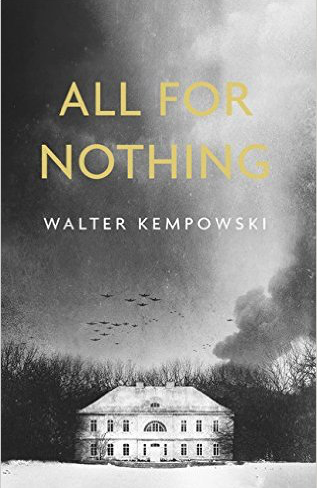
All For Nothing

The Literature and War Readalong on November 25, in which we read and discuss Walter Kempowski’s WWII novel All For Nothing – Alles umsonst.

For those who are still looking for titles, here are the books I have already read and those I’m still planning to read.

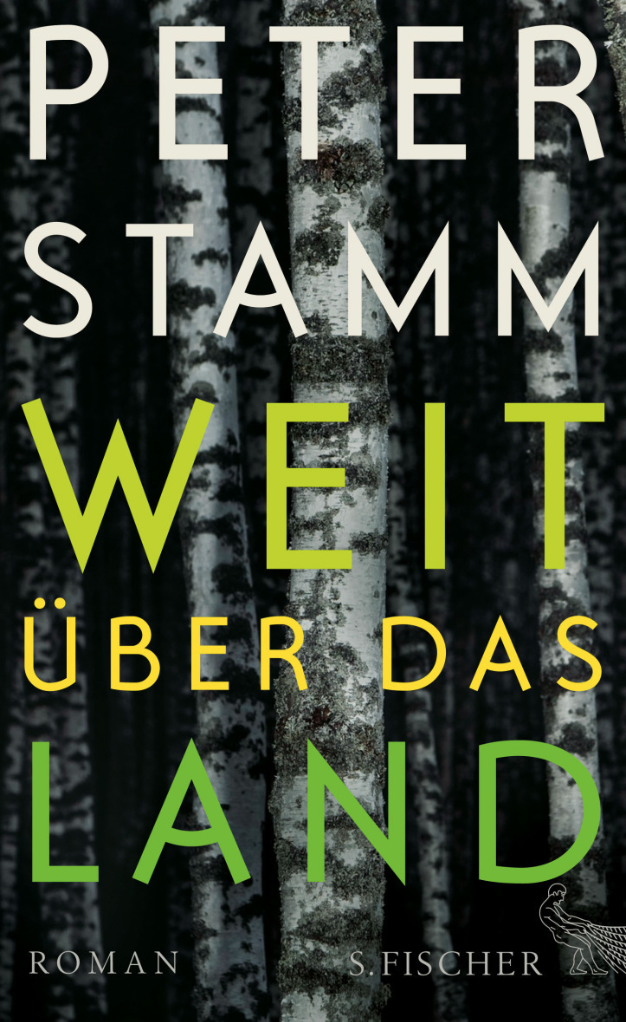
Weit über das Land

Peter Stamm’s latest novel. I must admit, I might not review it. It’s the worst book I’ve read this year. I can still not believe he wrote something like this.

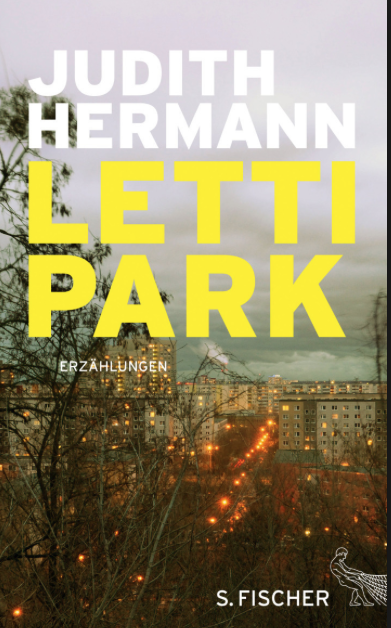
letti-park

Judith Hermann’s new short story collection Lettipark. I’ve not finished this yet but I can already see that it’s a mixed bag.

karen-kohler

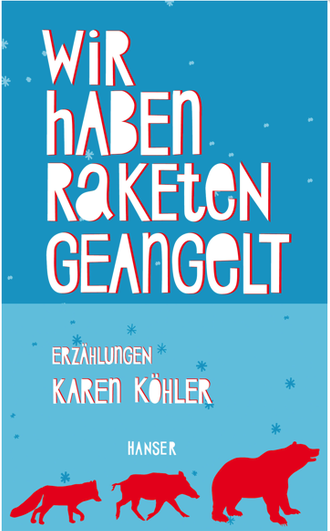
Karen Köhler’s short story collection Wir haben Raketen geangelt.

I bought this collection a while ago but haven’t read it yet. When I was looking for reviews of Judith Hermann’s book I saw it mentioned a few times. Most critics came to the conclusion that readers would do better to read Köhler instead of Hermann. I’ll let you know what I think.

in-my-brothers-shadowam-beispiel-meines-bruders

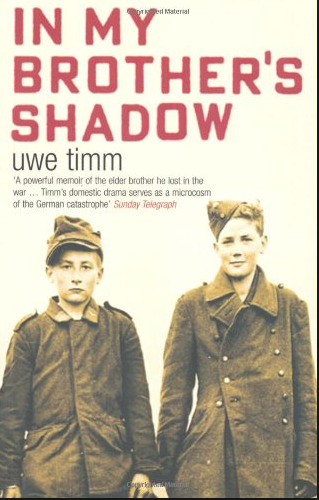
I’ve only heard great things about Uwe Timm’s memoir In My Brother’s ShadowAm Beispiel meines Bruders. As far as I can tell, (I read the beginning), it’s amazing.

almost-like-springfast-ein-bisschen-fruhling

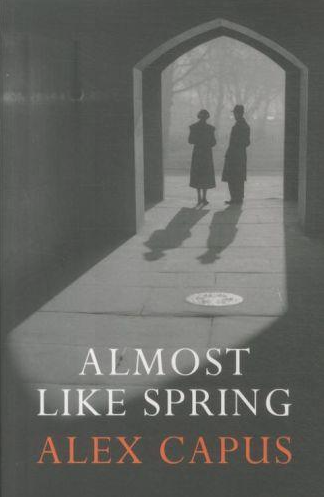
Almost Like SpringFast ein bisschen Frühling, is my first Alex Capus and if the rest is as good as the beginning, it won’t be my last.

fivefunf

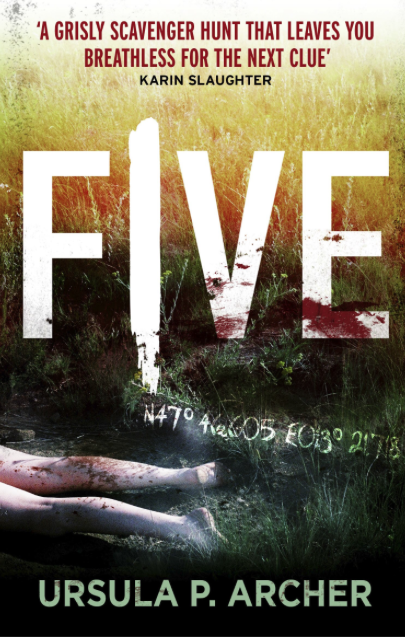
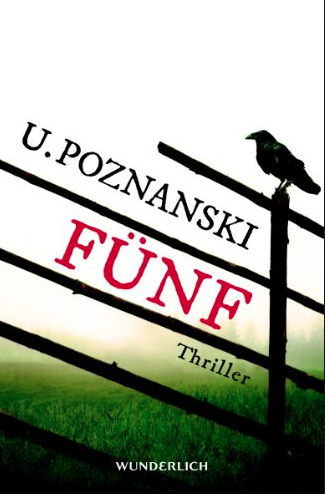
Last year I read Ursula Poznanski’s Erebos and was pretty much blown away. While I liked Five – Fünf a bit less, it’s still a really gripping book. You may have noticed that her adult crime novels are published under another name, Ursula P. Archer, in English. If you’re still looking for a page turner for crime week and are not too squeamish, you’ll enjoy this.

denkbilder

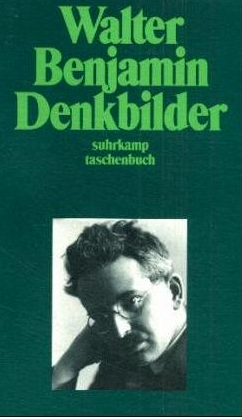
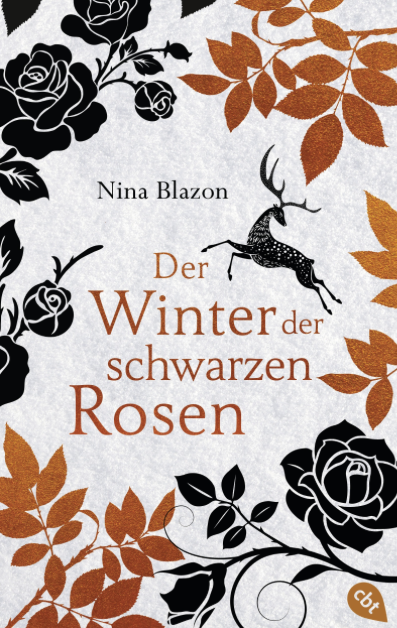
These are my plans so far. I might add some Walter Benjamin and one of the fantasy novels by Nina Blazon Der Winter der schwarzen Rosen (not translated yet).

der-winter-der-schwarzen-rosen

I hope you’re all busy making plans and wish you all a great month. I hope you’ll discover a lot of great books. Happy Reading!


*********

There will be a few giveaways.
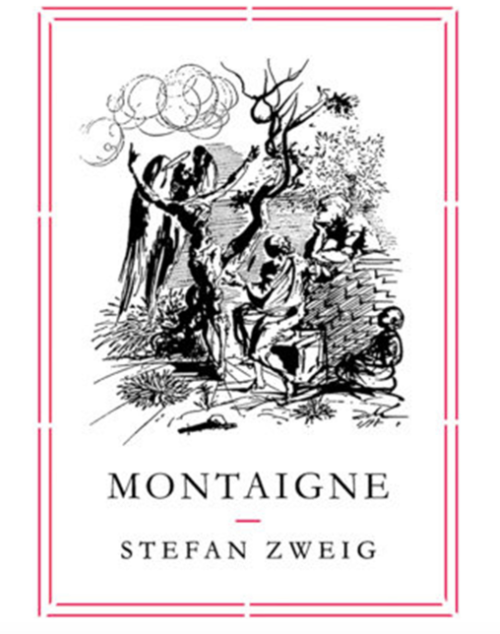
Here’s a sneak peek.

montaignea-bell-for-ursli


*********

Please add your reviews to this site German Literature Month.

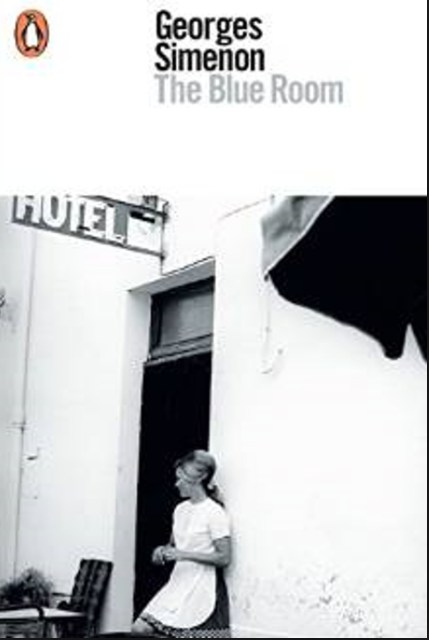
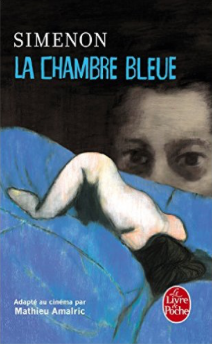
Georges Simenon: La chambre bleue – The Blue Room (1963)

The Blue RoomLa chambre bleue

While I’ve read some of Simenon’s Maigret novels, I hadn’t read any of his so-called “romans durs” until now.  Many people say they are far better than the Maigret novels and after having read The Blue Room –  La chambre bleue I think I can understand why. I can also see the influence the romans durs must have had on some newer authors like Pascal Garnier. Luckily for me, I liked Simenon’s novel much more than the Garnier novel I’ve read so far. The Blue Room is excellent.

The book starts with a scene in a hotel room – the blue room. Two people, Tony and Andrée, have just made love and he’s standing in front of a mirror, wiping away blood from his lips. The book starts in medias res, with a conversation. Andrée, who is watching Tony from the bed, is asking him, if she’s hurt him. Apparently she bit his lip. From the way she asks, we can deduce that it wasn’t as accidental as he believes. No, she probably bit him, so his wife will ask questions. What Andrée doesn’t know is that she’s not Tony’s first affair and that his wife is likely to ignore this one just like she ignored the others. Andrée then asks Tony whether he loves her and would love to spend his life with her. Tony’s not very attentive and says yes. A fatal error as the reader will find out very quickly. At the end of the scene in the hotel room, the book seamlessly switches to the examining magistrate’s chambers, where Tony is trying to defend himself in front of a psychiatrist and his lawyer.

The scene in the hotel room is a pivotal moment. From there the book moves backwards and forwards in time, unfolding Tony and Andrée’s whole story, from when they met as kids, to when they became lovers. It also switches from scenes set in the past to scenes in the present in which Tony, who has been arrested, tells his side of the story. The way Simenon has interwoven those narrative strands is pretty amazing. Nowadays, we’d have the different strands either separated by breaks between paragraphs, or chapters. Not so here, which makes it much more fluid, much more like watching a film.

Simenon’s style is hard to describe. It’s unadorned but so precise. Everything he chooses in his descriptions works masterfully. It’s like we’re looking at his characters through a microscope. The tiniest ugly little detail is laid bare.

While I don’t think his books are about suspense, it was suspenseful nonetheless because for a long time we have no clue why Tony got arrested. Nothing in the pivotal scene let’s us suspect that.

The Blue Room is a cruel, bleak analysis of a love affair that goes terribly wrong, written in evocative and pared-down prose. A great little book.

If you’d like to read a more eloquent review of the novel, here’s John Banville’s review of the Blue Room. He goes as far as comparing Simenon to Kafka.

The Blue Room has been made into a movie. I hope I can watch it soon.


This book was on the 20 under 200 list I did last summer. I must admit, I’ve been slacking. I’ve only read five or six from that list.

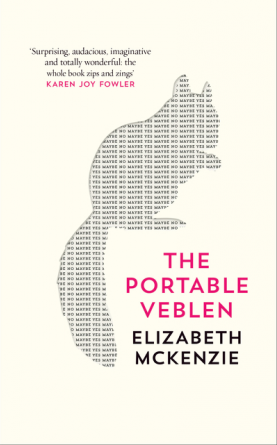
Elizabeth McKenzie: The Portable Veblen (2016)

The Portable Veblen

There are a few things you might see differently after having read The Portable Veblen—squirrels, marriage, clinical trials, mental health, consumerism, Thorstein Veblen. What I’m trying to say – this is a novel that’s as quirky as it is serious. But the best of all: the voice is stunning and as witty as it is clever. Looking at some of the topics this novel explores—dsyfunctional families, PTSD, pharmaceutical companies, mental illness— one wouldn’t think it would be funny, but it is. I really loved this book and it’s main narrator Veblen Amundsen-Hovda.

Veblen, named after Thorstein Veblen, author of The Theory of the Leisure Class, is a self-declared “cheerer-upper” with a narcissistic, hypochondriac and controlling mother. Veblen is obsessed with squirrels, translates from the Norwegian in her free time and is highly suspicious of everything that whiffs of consumerism.

Veblen espoused the Veblenian opinion that wanting a big house full of cheaply produced versions of so-called luxury items was the greatest soul-sucking trap of modern civilization, and that these copycat mansions away from the heart and soul of a city had ensnared their overmortgaged owners – yes, trapped and relocated them like pests.

She’s engaged to Paul, a neurologist who works for a shady pharmaceutical company and gives her the most ridiculously huge engagement ring. All of her life, Veblen has been crushed by her mother. Her dad is in a mental institution and her step-dad always takes her mother’s side. Nonetheless, her mother and her mother’s opinion are important. So far, neither Veblen nor Paul have met their respective parents. Both are wary of a meeting. Veblen because she’s afraid of what crushing things her mother might say about the engagement and her fiancé, and Paul because he’s ashamed of his parents, hippies who were anything but good parents.

Just to give you an idea of what Veblen has to deal with. That’s her thinking of telling her mother about the engagement:

She had an internal clock set to her mother’s hunger for news, but sometimes it felt good to ignore it.

Then she went back inside and grabbed the phone to spring the news on her mother. Nothing being fully real until such springing. And nothing with her mother ever simple and straightforward either, and that was the thrill of it. A perverse infantile thrill necessary to life.

And this is how the phone call goes:

“Well. Did you say yes for all the right reasons?”

The coffeemaker gurgled and hissed, a tired old friend doing its best. “I think so.”

“Marriage is not the point of a woman’s life. Do you understand that?”

“By now.”

“Do you love him?”

“I do, actually.”

“Is everything between you, good, sexually?”

“Mom, please! Boundaries or whatever.”

“Don’t say boundaries like every teenage twerp on TV.”

It bothered Veblen’s mother that most people were lazy and had given up original thought a long time ago, stealing stale phrases from the media like magpies.


The main question at the heart of the story is: should anyone get married, especially when coming from a dysfunctional family? It takes Veblen a long time to make up her mind – the whole novel – and most of it involves hilarious scenes. Her mother is one of those parents that, while toxic, still has a lot going for her. I loved all the scenes that involved her. I equally enjoyed the passages in which we see Veblen on her own. Some of the chapters are told from Paul’s POV and those weren’t my favourites. He’s not a character that could stand on his own, he always needs to clash with another one to be interesting.

This might be one of the wittiest books I’ve read in a long time. But it’s also charming and profound. I’ve seen a few people comment that they found the book confusing. I didn’t. Most of the crazy moments are due to Veblen’s attempts at staying sane. Dissociation and escape into a fantasy world in which squirrels communicate with her, are coping mechanisms. As cheerful as Veblen seems, she is someone who has been crushed and whose lack of self-confidence is painful. That a lot of her composure comes from taking medication, is equally tragic. It may sound paradoxical, but given her upbringing, she’s doing well.

As I said, I enjoyed The Portable Veblen a great deal. It’s s such a clever book.

I wasn’t surprised to find it on the short list for the 2016 Bailey’s Prize for Fiction.

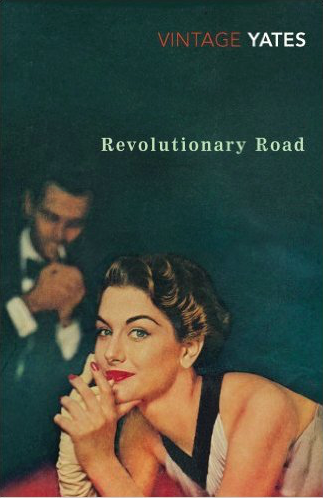
Richard Yates: Revolutionary Road (1961) or Why is Richard Yates a Writer’s Writer?

Revolutionary Road

The first time I came across the name Richard Yates was in 2006 when his short story collection Eleven Kinds of Loneliness was translated into German. All the big newspapers reviewed and praised it. I think that must have been about the same time, he was rediscovered in the US, which then led to the translations. I’m not sure why it took me another nine years to finally pick up one of his books. Be it as it may, I’m so glad I finally did. After finishing Revolutionary Road, I started to read up on him and that’s when I came across this very long, very insightful article by Stewart O’Nan: The Lost World of Richard Yates. It was written in 1999 – before the rediscovery. It’s interesting because O’Nan not only tries to capture why he thinks Yates is an amazing author but also goes into lengthy musings on why he was never successful. For me, it wasn’t surprising that it took so long to discover him in Germany, but that he wasn’t successful in the US or other English-speaking countries did come as a surprise. Stewart O’Nan’s central thesis is that Yates is a writer’s writer. Not a typical one, though. I’ll get to that again, after the review of Revolutionary Road.

Revolutionary Road tells the story of Frank and April Wheeler, a young couple who’s living in the suburbs of New York. The book opens with an amateur play in which April has the main role. At first it looks like it could be a success. Initially, April’s performance is good enough to make her husband fantasize what her success will mean for them. He imagines how April will be admired and how it will ultimately make him a center of admiration too and how he will pretend to be all modest about it. But then the play goes wrong and turns into a farce, exposing all the actors, including April to ridicule. It’s a devastating moment. Not so much because the play goes wrong but because the Wheeler’s dreams are shattered. April, who studied acting once, isn’t a good actress after all. And Frank, who imagined his wife’s stellar performance would reflect on him as well, feels just as ashamed as she does, maybe even more so.

This scene is a perfect introduction to the novel and the couple April and Frank Wheeler. While the outcome is dramatic for them, it’s not as such tragic but it contains all the elements of the future tragedy.

Yates introduces us here to a couple who lives a somewhat mediocre life. He’s working for a company he doesn’t appreciate, doing a job that bores him to death. She’s a housewife and stay-at-home-mom, the last thing she ever wanted to be. This as such is sad but what makes it sadder is the fact that they still think they are special and different from anybody else. But every time they want to prove themselves that they are more cultivated, wittier, unconventional, their unrealistic dreams crash against reality and leave them bitter, disillusioned, and filled with an anger they take out on each other.

I must admit, it took me over a hundred pages until I started to appreciate what Yates was doing. I hated and despised these two characters so much. Their aspirations and pretences showed us that they were anything but special but mediocre and petty. Since one of Yates’s admittedly brilliant techniques is to show us Frank’s interior monologue, we’re constantly in the head of a real douchebag. As I said, I was so distracted by the story and found the characters so off-putting, that I almost missed to pay attention to Yates’s narrative techniques. Not only is it brilliant to let Frank’s interior monologue clash with reality, it’s also quite funny.

At the heart of the story is April’s dream to leave and start a new life in Paris. The interesting thing about it is that while it may seem wild, it’s a totally feasible plan, yet they are bound to fail. Why and how they fail is shown in a masterful way.

The most tragic and paradoxical thing about April and Frank Wheeler isn’t that they never live their dream but that they try, if only for a very brief moment, to live it.

I said at the beginning of this post that Yates was, for a long time, considered to be a writer’s writer. This was surprising to me at first because usually writer’s writers are stylists, often using lyrical prose. Yates does write well but his writing is accessible, smooth, simple, almost free of figures of speech. He’s not strong on descriptions, hardly uses atmosphere or mood. So what is it then? It’s amazing how brilliantly he describes people and their interactions. His dialogue and interior monologue is sharp and witty. But more than that, his choices of scenes and structure are admirable. I wondered constantly – how will he capture this or that? Whose point of view will he choose next? And, most importantly – how will he end this novel? I wasn’t interest in the ending from a plot perspective but from a perspective of author’s choice. I felt that there had to be a major “bang”. What would it be?

These are reasons why I agree with O’Nan— he is a writer’s writer. After having found O’Nan’s essay,  I came across John Mullan’s four part piece on Revolutionary Road in The Guardian – you can find it here Part I Imaginary Dialogue, Part II The Epigraph, Part II Comic Dialogue, Part IV The Ending. Reading it confirmed my impressions. Yates is a highly conscious writer. His style may be effortless, his structure and narrative choices are not. One just has to think of the title. Revolutionary Road is the street on which the Wheelers live. It’s close to a suburban nightmare called “Revolutionary Hill”, where all the houses are candy-colored, cute abominations. Not so the Wheeler’s street and house. Nonetheless, it’s suburbia and even in a part that’s not as affluent. Knowing that they read signs and interpret them in a spirit of self-aggrandisement, the name of the road becomes ironic. The Wheeler’s are a lot of things but they are not revolutionary nor rebellious. If anything they are self-deluded and narcissistic.

Revolutionary Road was my first Richard Yates but it won’t be the last. I’m already halfway through Easter Parade and want to read Cold Spring Harbor and Eleven Kinds of Loneliness after that.

I had to watch the movie after finishing the book. Of course, it’s not as good but what bothered me the most was that the Frank Wheeler in the movie was almost likable.

Literature and War Readalong 2016

Storm Warning1914The HuntersBilly Lynn's Halftime WalkAll For Nothing

A few of you have already been wondering whether or not there will be another Literature and War Readalong. As you can see, there will be another one, but, like last year, it will be a mini-edition, although I included one book more.

Storm Warning

February, Monday 29

Storm Warning: Echoes of Conflict by Vanessa Gebbie, 120 pages, UK, 2010, WWII

Here’s the blurb:

Storm Warning explores the echoes and aftershocks of human conflict in a series of powerful stories in which the characters are tested, sometimes to breaking point. Gebbie pulls no punches, exploring the after-effects of atrocity and sometimes, the seeds of atrocity itself.

1914

March, Thursday 31

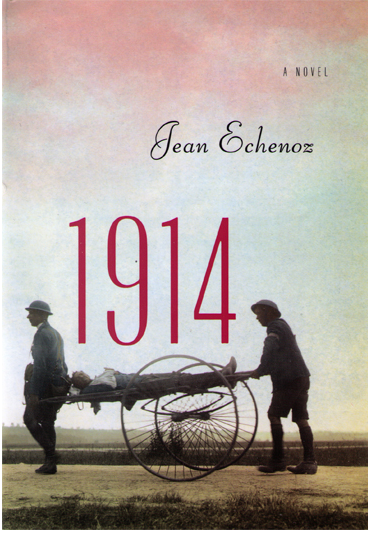
1914  – 14 by Jean Echenoz, 120 pages France 2012, WWI

Here’s the blurb:

Jean Echenoz turns his attention to the deathtrap of World War I in 1914. Five Frenchmen go off to war, two of them leaving behind young women who long for their return. But the main character in this brilliant novel is the Great War itself. Echenoz, whose work has been compared to that of writers as diverse as Joseph Conrad and Laurence Sterne, leads us gently from a balmy summer day deep into the relentless – and, one hundred years later, still unthinkable – carnage of trench warfare.

The Hunters

May, Tuesday 31

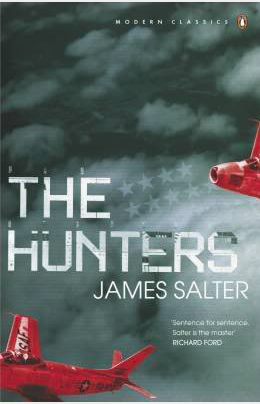
The Hunters by James Salter, 233 pages, US 1957, War in Korea

Here’s the blurb:

Captain Cleve Connell arrives in Korea with a single goal: to become an ace, one of that elite fraternity of jet pilots who have downed five MIGs. But as his fellow airmen rack up kill after kill – sometimes under dubious circumstances – Cleve’s luck runs bad. Other pilots question his guts. Cleve comes to question himself. And then in one icy instant 40,000 feet above the Yalu River, his luck changes forever. Filled with courage and despair, eerie beauty and corrosive rivalry, James Salter’s luminous first novel is a landmark masterpiece in the literature of war.

Billy Lynn's Halftime Walk

September, Friday 30

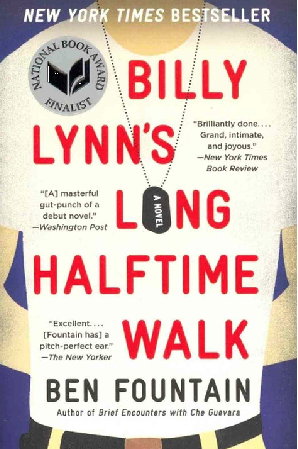
Billy Lynn’s Long Halftime Walk by Ben Fountain,  307 pages, US 2012, War in Iraq

Here’s the blurb:

His whole nation is celebrating what is the worst day of his life

Nineteen-year-old Billy Lynn is home from Iraq. And he’s a hero. Billy and the rest of Bravo Company were filmed defeating Iraqi insurgents in a ferocious firefight. Now Bravo’s three minutes of extreme bravery is a YouTube sensation and the Bush Administration has sent them on a nationwide Victory Tour.

During the final hours of the tour Billy will mix with the rich and powerful, endure the politics and praise of his fellow Americans – and fall in love. He’ll face hard truths about life and death, family and friendship, honour and duty.

Tomorrow he must go back to war.

All For Nothing

November, Friday 25

All For NothingAlles umsonst by Walter Kempowski, 352 pages, Germany 2006, WWII

Here’s the blurb:

Winter, January 1945. It is cold and dark, and the German army is retreating from the Russian advance. Germans are fleeing the occupied territories in their thousands, in cars and carts and on foot. But in a rural East Prussian manor house, the wealthy von Globig family tries to seal itself off from the world. Peter von Globig is twelve, and feigns a cough to get out of his Hitler Youth duties, preferring to sledge behind the house and look at snowflakes through his microscope. His father Eberhard is stationed in Italy – a desk job safe from the front – and his bookish and musical mother Katharina has withdrawn into herself. Instead the house is run by a conservative, frugal aunt, helped by two Ukrainian maids and an energetic Pole. Protected by their privileged lifestyle from the deprivation and chaos around them, and caught in the grip of indecision, they make no preparations to leave, until Katharina’s decision to harbour a stranger for the night begins their undoing. Superbly expressive and strikingly vivid, sympathetic yet painfully honest about the motivations of its characters, All for Nothing is a devastating portrait of the self-delusions, complicities and denials of the German people as the Third Reich comes to an end.

*******

Five books from four countries, covering four different wars. The books are all rather short and quite diverse. For the first time, I have included a collection of short stories. And I included the first novel on the war in Korea.

As always, I hope that many of you will feel tempted to join me.

Best Novels of 2015

Kreative Leidenschaft

This wasn’t a great reading year. At least not during the second half of it. I’ve read so many books, I didn’t even bother reviewing because they left me cold. On the other hand I read a lot of nonfiction I loved but didn’t review either. That’s why, for the first time, my list was very easy to compile.

Station Eleven

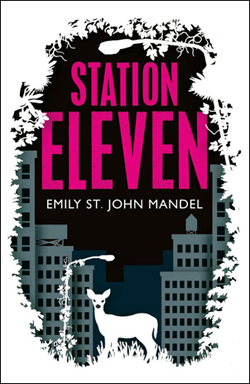
Emily St. John Mandel’s Station Eleven. From my review:

Pick it up. It’s really worth it. If you love post-apocalyptic stories, you’ll read it anyway. If you don’t, maybe it will show you that not every book about the end must be traumatic. Certainly not one that makes you grateful for everything we have and, ultimately, shows that it’s possible to find beauty, no matter what will happen to our world. Nothing illustrates the message of the book better than the reversal of Sartre’s famous quote L’enfer c’est les autres – Hell is other people. In the novel Kirsten thinks that he’s wrong. She has come to the conclusion that hell is the absence of people you feel close to.

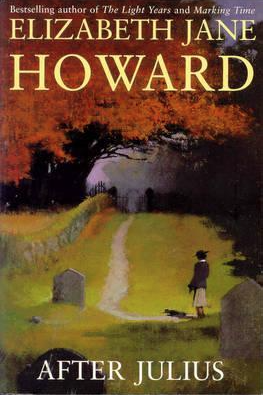
After Julius

Elizabeth Jane Howard’s  After Julius. From my review:

I found it hard to believe at times that this book was written in 1965. The open discussion of abortion and sexuality seemed far more modern. It made me wonder if we’re not living in more prudish times now.

Before ending this post I have to mention Elizabeth Jane Howard’s descriptions. They are stunning. When she describes a room, a scene, clothes, anything, she makes full use of these descriptions. It’s never just a random description but it always contributes to the understanding of a character, enhances the mood, sets the tone.

It’s still early but I wouldn’t be surprised if this book would be among my best of this year. Since she reminded me of many writers I absolutely love —Elizabeth Taylor, Rosamond Lehmann, Jean Rhys, Elizabeth Bowen — I know I’ll be reading more of her.

The Leopard

Giuseppe Tomasi di Lampedusa’s Il Gattopardo – The Leopard From my review:

I haven’t done this book any justice. It would deserve a whole series of posts. One could say so much about all the individual elements. I’m sure I’ll re-read it some day. Maybe I’ll write a series then. For the time being I would just like to urge everyone who hasn’t read it yet to do so.

I expected a great novel, a novel that I would love, but I didn’t expect it to be this subtle and nuanced, this melancholic and funny. It’s truly one of the greatest works of literature.

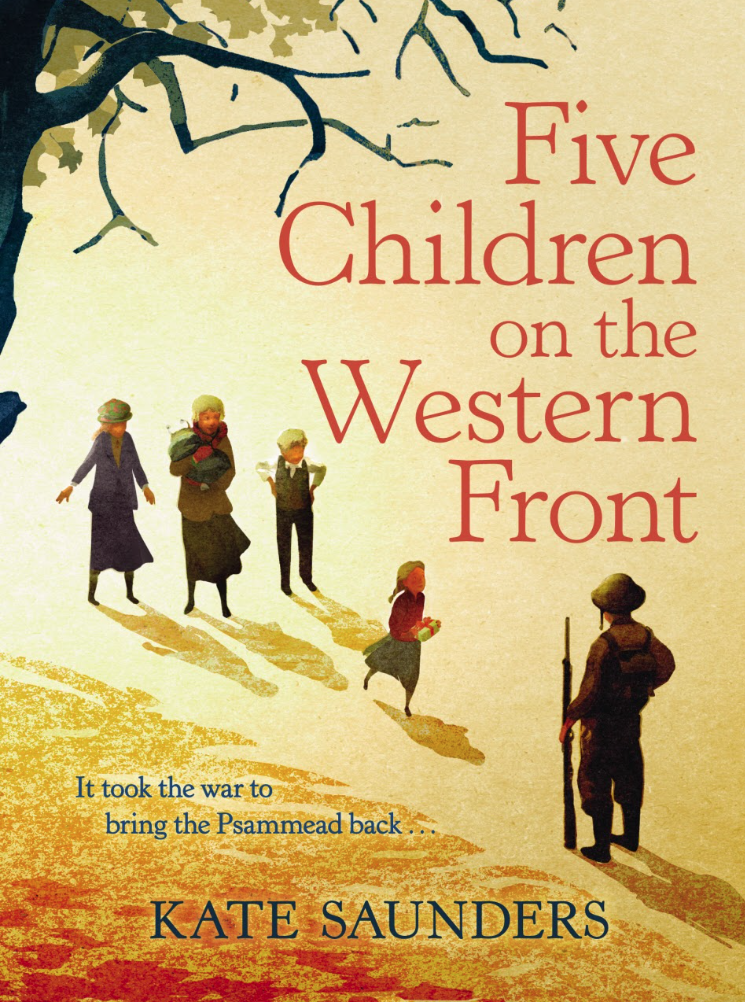
Five Children on the Western Front

Kate Saunder’s Five Children on the Western Front. From my review:

Five Children on the Western Front is a delightful story inspired by E. Nesbit’s famous children’s book Five Children and It. I’m still surprised how much I loved this book. I’m not always keen on sequels of classics, but since I haven’t read Nesbit’s tale yet, I couldn’t compare. And I’m aware that the main character of the book “It” – or Psammead -, the sand fairy, is Nesbit’s creation and not Saunders’, nonetheless her book offers many new elements.

( . . . )

I really recommend this novel. It’s charming and sad. I thought she did well not to modernize it. The children sound like children of the time, which gives the story a nostalgic feel.

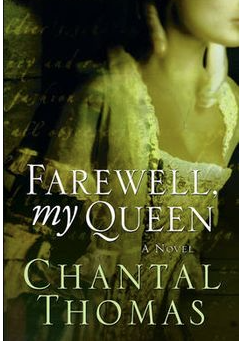
Farewell, my Queen

Chantal Thomas’  Farewell, my Queen – Les Adieux à la reine. From my review:

Farewell, my Queen is unlike any other Marie Antoinette novel I’ve read. It could only have been written by someone who has done extensive research. Still, it’s moving and nostalgic and really beautiful. It’s almost as good as my favourite historical novel L’allée du Roi  – The King’s Way by Françoise Chandernagor, which tells the story of Mme de Maintenon. The two novels complement each other, as we see Versailles still under construction in The King’s Way and abandoned in the later book.

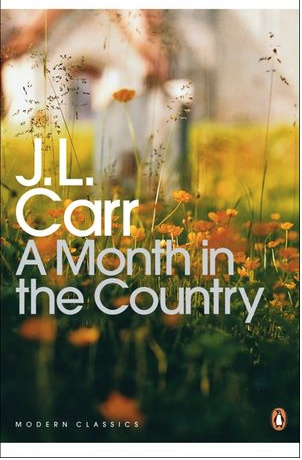
A Month in the Country

J. L. Carr’s A Month in the Country. From my review:

I can’t praise this novel enough and would really like to urge everyone to read it. It’s not only a joy to read but illustrates what great writing can do. It will be on my “best of list” at the end of the year and I might even add it to my all-time favourites.

I’ll end with one of my favourite quotes

It would be like someone coming to Malvern, bland Malvern, who is halted by the thought that Edward Elgar walked this road on his way to give music lessons or, looking over to the Clee Hills, reflects that Housman had stood in place, regretting his land of lost content. And, at such a time, for a few of us there will always be a tugging at the heart— knowing a precious moment gone and we not there.

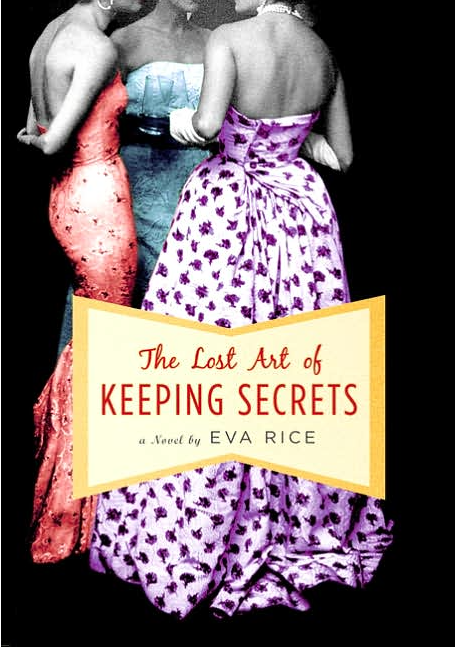
Lost Art of Keeping Secrets

Eva Rice’s  The Lost Art of Keeping Secrets. From my review:

The Lost Art of Keeping Secrets is a smart, charming, exuberant book, filled with witty, endearing and eccentric characters, whose sharp insights, clever repartee, and uncrushable optimism are a delight to follow. If you need some intelligent cheering up—this is the book for you.

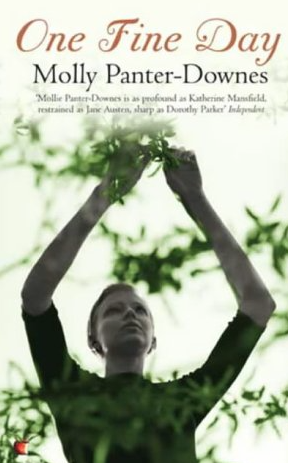
One Fine Day

Mollie Panter-Downes One Fine Day. From my review:

One Fine Day is intense and lyrical, a novel for those who like introspective books and don’t need a lot of action. But it’s also masterful because of the delicate way Mollie Panter-Downes uses motifs and other recurring elements that reinforce the themes of loss, change and – more positively – transformation. And how she juxtaposes the lives of her two main characters, who undergo, in one single day, a whole transformation, believing at first that they each want what the other has – an independent life, leisure to savour what a day brings -and then discover – it’s already there – they just have to grab it.

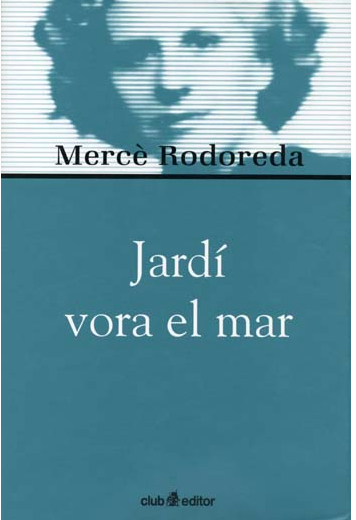
Jardì vora el mar

Sorry, this one hasn’t been translated yet.

Mercè Rodoreda’s Jardí vora el mar. From my review:

The Garden of the Finzi-Continis is easily one of my top ten favourite novels. I also love The Great Gatsby. I enjoyed Rodoreda’s book a great deal, but I only loved the descriptions of the garden. In choosing a gardener as her narrator, as wonderful a character as he may be, we stay much more spectators of the characters, are never fully immersed. We only see what they do when they are outside; we never see them interacting inside of the house. Most of the things we learn, are things the gardener himself was told by someone who heard it from someone. Seeing characters from afar, doesn’t allow to get as close to them as we would wish. Plus, the main protagonists change. Every summer, someone else gets close to the gardener, visits him in his small house. Those are the most intimate moments in the book, the ones, other than the descriptions of the garden, that I enjoyed the most. It’s not always good to compare a book with such famous novels as The Great Gatsby or The Garden of the Finzi-Continis, but in this case it helped me understand, why Rodoreda’s book left me a little cold, although it’s a fantastic book that I might even re-read some day.

Of Kids and Parents

Emil Hakl’s Of Kids and Parents. From my review:

As I said, I’m really grateful Stu suggested this book. I loved every moment of it. It’s so rich, intense, and full of life. But also highly intelligent and lucid. It says a lot about being human and getting older. About history and how it repeats itself again and again. And about the humans who think they are the crown of creation while they are not. And I shouldn’t forget to mention that, at times, it’s a very funny book.

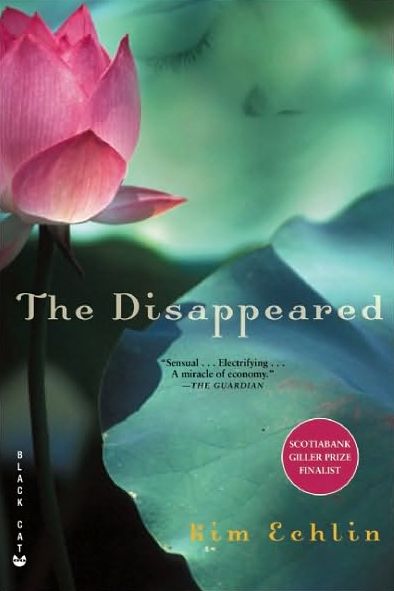
The Disappeared

Kim Echlin’sThe Disappeared. From my review:

The book explores the question of how much we can really understand of a foreign country. I liked that Anne never accepted to stay an outsider. She wanted to be part even if that meant that she put herself in danger.

The Disappeared isn’t easy to read but I loved this haunting book. It’s an amazing achievement, an intense, lucid, lyrical, and compassionate novel about a devastating conflict and a love that surpasses everything.

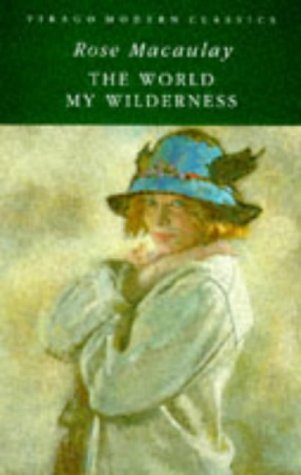
802630-5

Rose Macaulay’s The World My Wilderness. From my review:

I expected The World My Wilderness to be a lot like Mollie Panter-Downes One Fine Day but it’s much more like a novel by Colette. Helen herself reminded me a lot of Colette and some of her heroines. She’s such an uninhibited, freethinking, sensual woman. While Helen is a cheerful woman, in love with life and love, she’s also a tragic figure because she was deeply in love with her second husband.

The World My Wilderness is also excellent in the way it describes post-war London with its ruins and struggling population. Everything is still crumbling—the houses and the society. It’s a world in change in which destruction is found right along a wild, mysterious beauty.

*******

As you may have noticed I decided to leave out the crime novels, although in terms of thrillers and crime, the year wasn’t bad at all. I even discovered four authors I really liked and want to read more of: Phil Rickman, Elly Griffiths, Louise Millar, and Laura Kasischke.

How was your reading year?