Welcome to German Literature Month

Screen Shot 2014-09-24 at 07.23.25

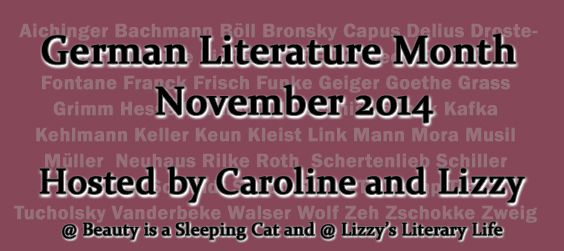
Welcome everyone to German Literature Month 2014.

If we can go by the many intro posts that I’ve seen, it should be a fantastic month.

I have already started and read three books which I hope to review shortly.

I’m not as disciplined as Lizzy whose plans you can see on her blog, I will read as I please the whole month, focussing mostly on newer publications.

Unfortunately I will not be able to visit and publish a lot during the first ten days, but as soon as things have quieted down on my side, I’ll make the rounds.

———-

A tiny piece of hostess admin before the fun begins in earnest.  The German Literature Month blog is once more up and running and all participants with blogs  (30+ – how terrific is that!) have been added to the blogroll.  If you’re joining in, and don’t see your name up in lights, so to speak, please leave a comment below and you will be added.

There are also prizes to be won by participating.  Whoever tallies the most pick and mix points will win a copy of both Berlin Tales and Vienna Tales, kindly donated by Oxford University Press.  Lizzy and I will choose our favourite post and the writer will win 2 titles by Alina Bronsky, The Hottest Dishes of The Tartar Cuisine and Call Me Superhero, kindly donated by Europa Editions.  For your reviews to be in the running for these prizes, please link them into the Mr Linky on the German Literature Month blog.

All that remains is for Lizzy and I to wish you a very enjoyable November.  🙂


German Literature Month – Some Plans and Suggestions

Screen Shot 2014-09-24 at 07.23.25

Although I don’t really stick to my plans these days, I was still tempted to make a list of possible choices for German Literature Month because in the past years my lists helped others find books. I’ll attempt to read a mix of translated and not yet translated books but all by authors known in the English-speaking world.
Walter Benjamin

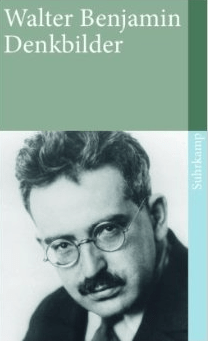
I started to read Walter Benjamin’s essay collection Denkbilder. Many of the essays can be found in the collection Reflections. Benjamin was a philosopher, essayist, memoirist and modernist writer, who tragically took his own life in 1940, in France, when he knew he wouldn’t be able to escape the Nazis. He has written a lot of influential books like The Work of Art in the Age of Mechanical Reproduction
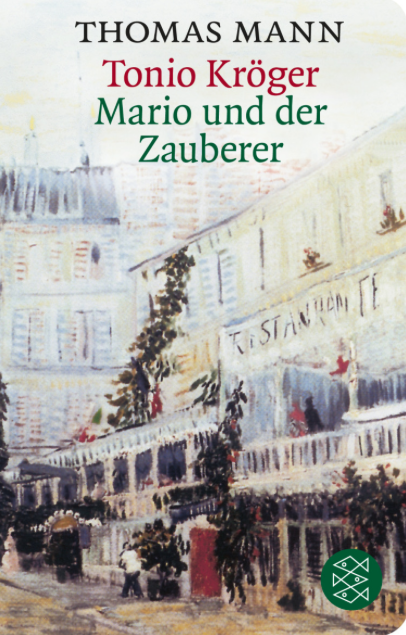
Tonio Kröger

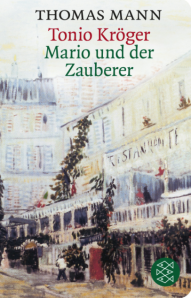
Another classic, Thomas Mann’s novella of a young artist, Tonio Kröger.
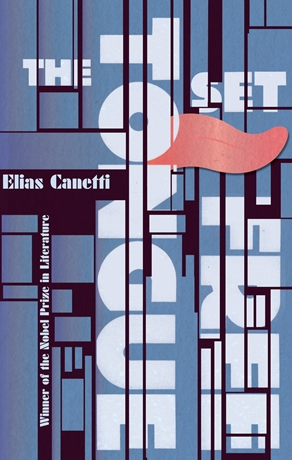
The Tongue Set Free

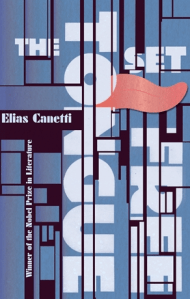
Another modernist writer and memoirist, just like Walter Benjamin. Elias Canetti’s The Tongue Set Free is a childhood memoir, written in a dense poetic prose.
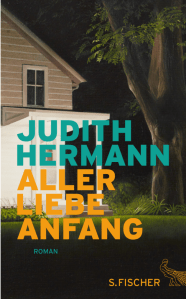
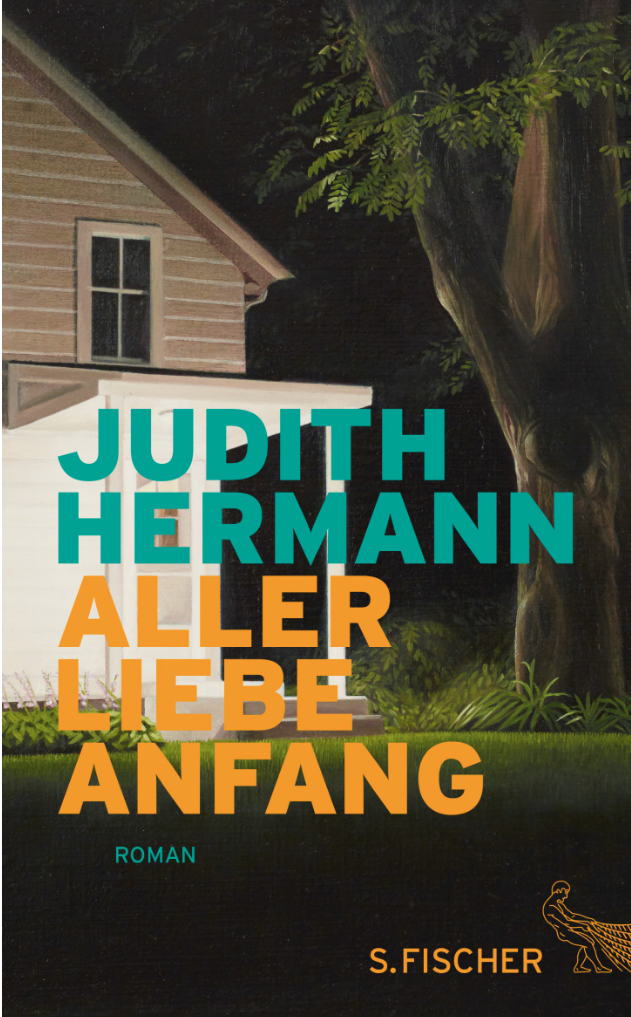
Aller Liebe Anfang

Judith Hermann has just published her fourth book. I loved her two short story collections and appreciated Alice and now I’m curious to find out how much I’ll like her novel which just came out in Germany.
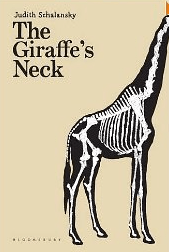
The Giraffe's Neck

I bought Judith Schalansky’s The Giraffe’s Neck when it was published in Germany, two years ago. Now it has finally been  translated.

Here’s the blurb

Adaptation is everything, something Frau Lomark is well aware of as the biology teacher at the Charles Darwin High School in a country backwater of the former East Germany. It is the beginning of the new school year, but, as people look west in search of work and opportunities, its future begins to be in doubt.

Frau Lohmark has no sympathy for her pupils and scorns indulgent younger teachers who talk to their students as peers, play games with them, or (worse) even go so far as to have ‘favourites’. A strict devotee of the Darwinian principle of evolution, Frau Lohmark believes that only the best specimens of a species are fit to succeed. But now everything and everyone resists the old way of things and Inge Lohmark is forced to confront her most fundamental lesson: she must adapt or she cannot survive.

Written with cool elegance and humane irony, The Giraffe’s Neck is an exquisite revelation of a novel, and what the novel can do, that will resonate in the reader’s mind long after the last page has been turned.
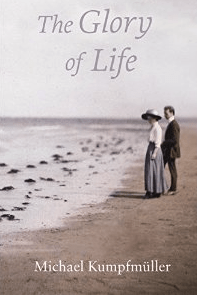
The Glory of Life

Michael Kumpfmüller has already published a few novels to high acclaim. Some have been translated. The Glory of Life is his latest book and tells the story of Kafka’s last year, during which he fell in love with Dora Diamant. I started reading it and the writing is luminous and lyrical.
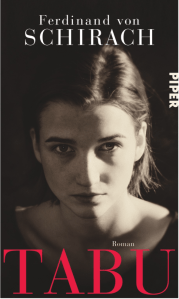
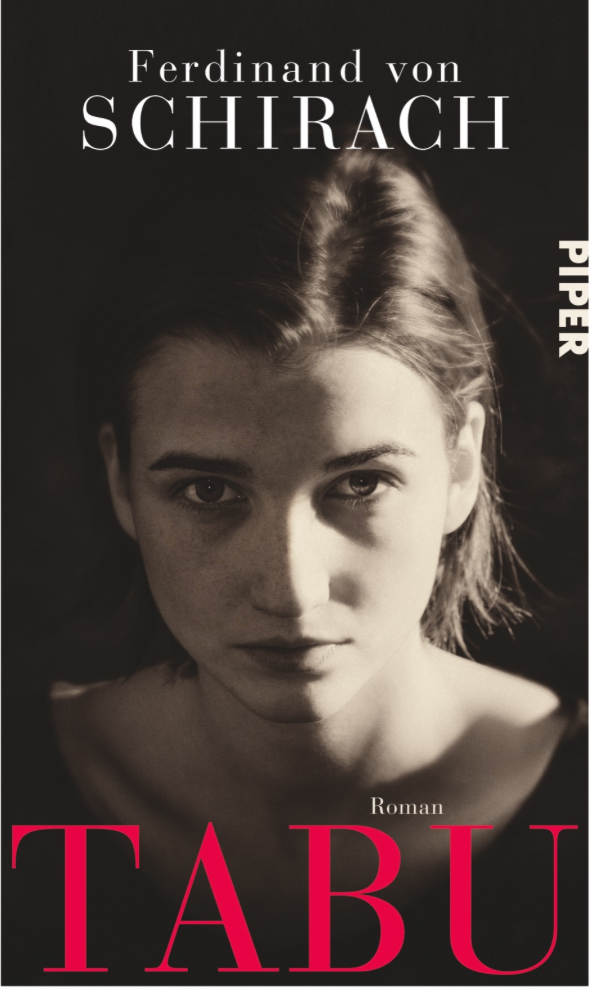
Tabu

The translation of Ferdinand von Schirach’s latest novel Tabu – The Girl Who Wasn’t There will be published in January. He’s another author whose every book I tend to read.

Sebastian von Eschburg, scion of a wealthy, self-destructive family, survived his disastrous childhood to become a celebrated if controversial artist. He casts a provocative shadow over the Berlin scene; his disturbing photographs and installations show that truth and reality are two distinct things.

When Sebastian is accused of murdering a young woman and the police investigation takes a sinister turn, seasoned lawyer Konrad Biegler agrees to represent him – and hopes to help himself in the process. But Biegler soon learns that nothing about the case, or the suspect, is what it appears. The new thriller from the acclaimed author of The Collini CaseThe Girl Who Wasn’t There is dark, ingenious and irresistibly gripping.
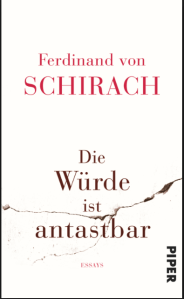
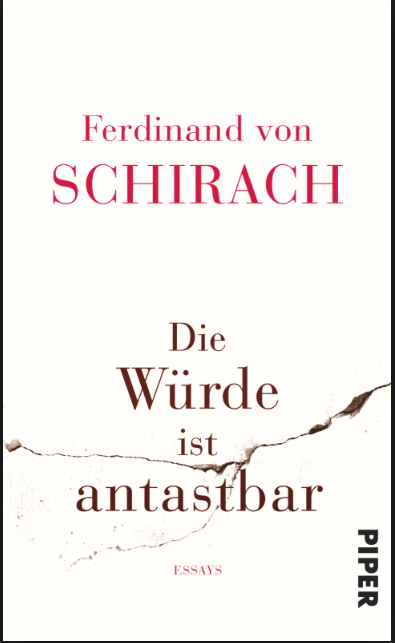
Essays

I’ve almost finished this collection of Ferdinand von Schirach’s essays. Some are interesting, some, like the one of smoking, annoyed me quite a bit, but overall they are worth reading.
Screen Shot 2014-10-19 at 10.18.51

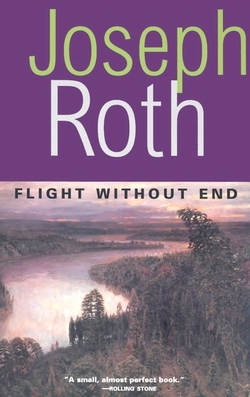
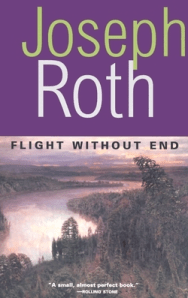
Since I’m hosting a Joseph Roth Week I’ll be reading at least two of his novels. One of them is our readalong title Flight Without End.

Flight Without End, written in Paris, in 1927, is perhaps the most personal of Joseph Roth’s novels. Introduced by the author as the true account of his friend Franz Tunda it tells the story of a young ex-office of the Austro-Hungarian Army in the 1914- 1918 war, who makes his way back from captivity in Siberia and service with the Bolshevik army, only to find out that the old order, which has shaped him has crumbled and that there is no place for him in the new “European” culture that has taken its place. Everywhere – in his dealings with society, family, women – he finds himself an outsider, both attracted and repelled by the values of the old world, yet unable to accept the new ideologies.
The Emperor's Tomb

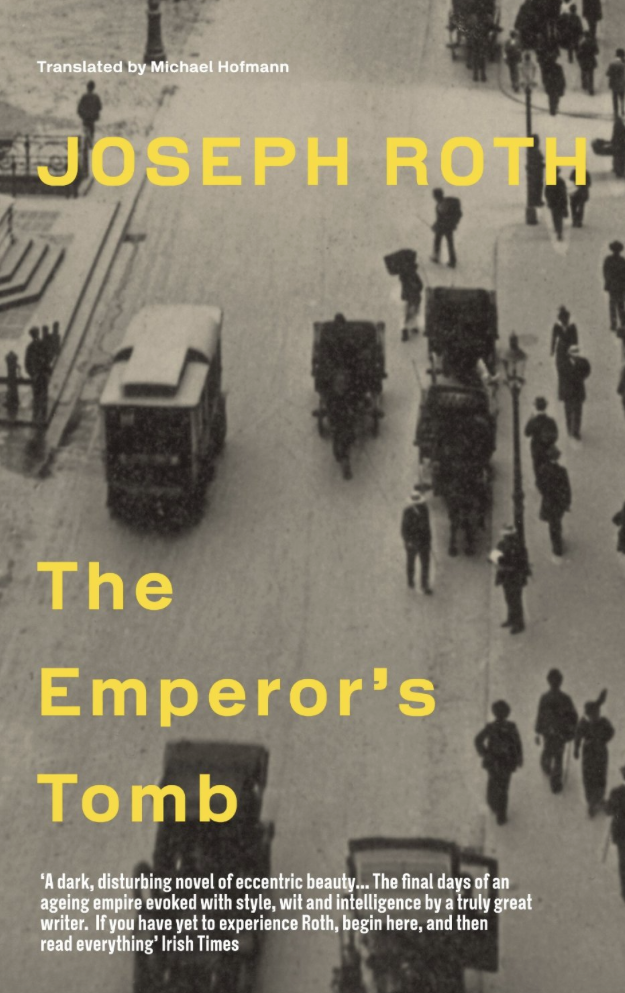
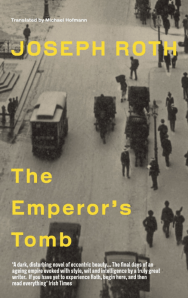
The Emperor’s Tomb might be the second choice.

The Emperor’s Tomb is a magically evocative, haunting elegy to the vanished world of the Austro-Hungarian Empire, and to the passing of time and the loss of youth and friends. Prophetic and regretful, intuitive and exact, Roth’s acclaimed novel is the tale of one man’s struggle to come to terms with the uncongenial society of post-First World War Vienna and the first intimations of Nazi barbarities.
The Winter of the Lions

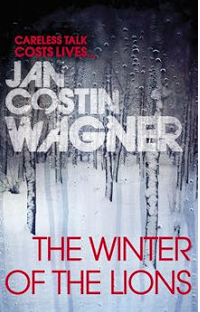
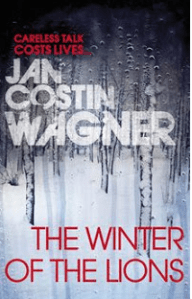
Jan Costin Wagner is a German crime author whose books are set in Finland. A very unique mix. I’m reading the third in his Kimmo Joentaa series The Winter of the Lions and like it so much, I already got another one. I’m particularly fond of the writing. It’s so sparse and dry. Decidedly more literary than mainstream.

Every year since the tragic death of his wife, Detective Kimmo Joentaa has prepared for the isolation of Christmas with a glass of milk and a bottle of vodka to arm himself against the harsh Finnish winter. However, this year events take an unexpected turn when a young woman turns up on his doorstep.

Not long afterwards two men are found murdered, one of whom is Joentaa’s colleague, a forensic pathologist. When it becomes clear that both victims had recently been guests on Finland’s most famous talk show, Kimmo is called upon to use all his powers of intuition and instinct to solve the case. Meanwhile the killer is lying in wait, ready to strike again…

In Kimmo Joentaa, prizewinning author Jan Costin Wagner has created a lonely hero in the Philip Marlowe mould, who uses his unusual gifts for psychological insight to delve deep inside the minds of the criminals he pursues.
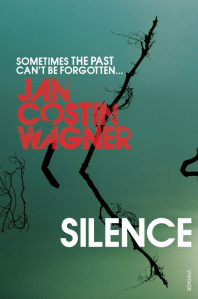
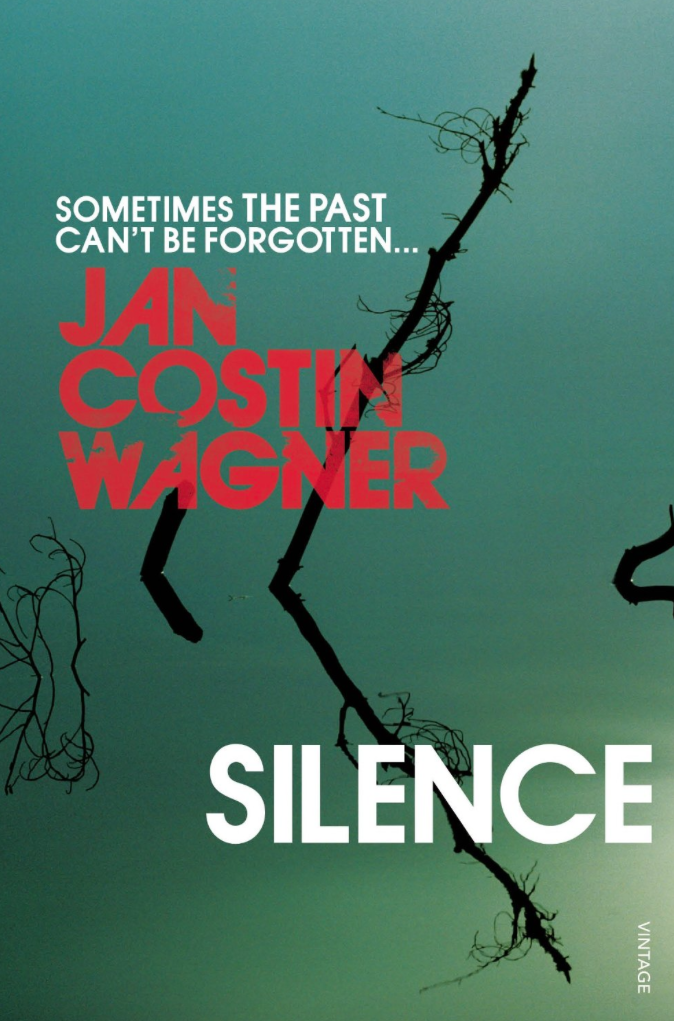
Silence

Silence is Wagner’s second Kimmo Joentaa novel.

A young girl disappears while cycling to volleyball practice. Her bike is found in exactly the same place that another girl was murdered, thirty-three years before. The original perpetrator was never brought to justice – could they have struck again? The eeriness of the crime unsettles not only the police and public, but also someone who has been carrying a burden of guilt for many years…

Detective Kimmo Joentaa calls upon the help of his older colleague Jetola, who worked on the original murder, in the hope that they can solve both cases. But as their investigation begins, Kimmo discovers that the truth is not always what you expect.
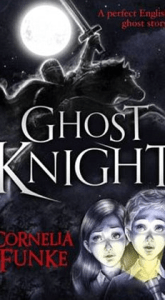
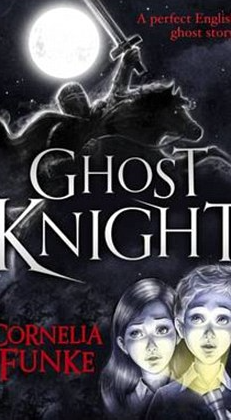
Ghost Knight

I’m also tempted by Cornelia Funke’s ghost story Ghost Knight, set in and around Salisbury Cathedral.

Eleven-year-old Jon Whitcroft never expected to enjoy boarding school. He never expected to be confronted by a pack of vengeful ghosts either. And then he meets Ella, a quirky new friend with a taste for adventure…

Together, Jon and Ella must work to uncover the secrets of a centuries-old murder, while being haunted by ghosts intent on revenge. So when Jon summons the ghost of the late knight Longspee for his protection, there’s just one question – can Longspee really be trusted? A thrilling tale of bravery, friendship – and ghosts!
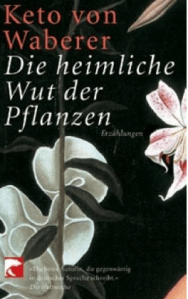
Screen Shot 2014-10-19 at 09.59.49

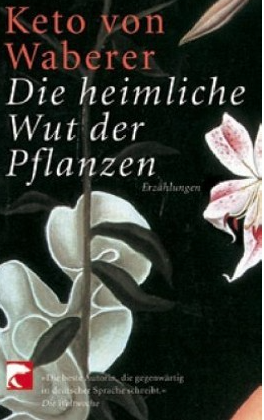
These are the plans for the translated authors/books, but I might also read some of those that haven’t been translated yet, like Keto von Waberer.

Have you read any of these books? What are you’re plans?

Announcing German Literature Month IV – November 2014

Screen Shot 2014-09-24 at 07.23.25

Good morning/afternoon/evening, German(-language) literature lovers.  It’s time to look through your TBR piles and hunt out all the German literature you can find.  #germanlitmonth is returning for year four!

In years past Lizzy and I have structured the whole month for guidance, but now that a wealth of ideas and reviews exists in the blogosphere (see footnote), we no longer think that’s necessary.  This year we’re each going to host a themed week, leaving the rest of the month for you to read as you please. However, to make things more playful, we’re incorporating an optional pick and mix!

The overall structure of the month looks like this.

Nov 1-2      Introductions and reading plans

Nov 3-9      Award Winners Week (hosted by Lizzy)

Nov 10-23  Read as You Please

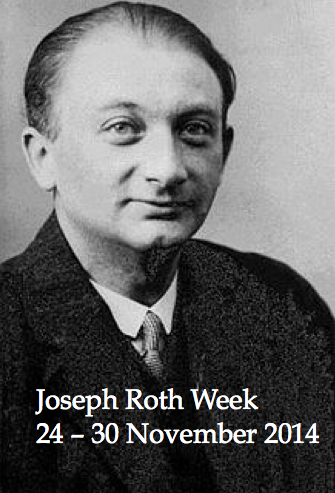
Nov 24-30 Joseph Roth Week (hosted by Caroline, with the Literature and War group read, Flight Without End, on the 29th)

Joseph Roth

At any time during the month you can pick and mix by reading and posting about any of the categories listed below, Each review will receive at least one entry into a prize draw. If the review fits multiple categories, you will earn multiple entries.  For example if you participate in my Literature and War read, you will get two entries: 1 for category 5 and another for category 6.

Pick and Mix Categories

1) Read and review an award winner.

2) Read and review a work that is not a novel.

3) Read and review a recommendation from German Literature Months 1-3. (See footnote)

4)To commemorate the 25th anniversary of The Fall of the Wall, read and review a work relating to the GDR or the Berlin Wall.

5) To commemorate armistice day, read and review a work relating to the First World War

6) Read and review a work written by or relating to Joseph Roth

7) Read a work published in German original or in translation during 2014

For the purposes of clarity, all reviews must relate to works originally written in German, regardless of the author’s nationality.  The winner of the pick and mix prize will be announced during the first week of December.

Apart from that, there are no other rules.  You can participate in the themed weeks and the pick and mix as much or as little as you wish. You can do your own thing too, if you so chose.  If you don’t have a blog, you are welcome to review on librarything or goodreads or similar or even write a guest post for one of the host blogs.

The main focus of the month is to share and enjoy German-language literature.  We hope you  decide to join us.

 *******

Footnote – Indices of reviews from previous years

German Literature Month 2011 (http://lizzysiddal.wordpress.com/2011/12/01/german-literature-month-2011-author-index/)

German Literature Month 2012 (http://lizzysiddal.wordpress.com/2012/12/15/german-literature-month-2012-author-index/)

German Literature Month 2013

(http://lizzysiddal.wordpress.com/2013/12/12/german-literature-month-iii-author-index/)

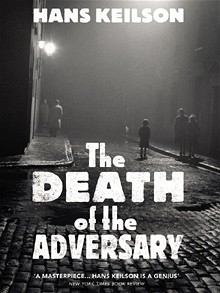
Hans Keilson: The Death of the Adversary – Der Tod des Widersachers (1959) Literature and War Readalong November 2013

Death of the Adversary

I wish it hadn’t happened but it did. I couldn’t finish Hans Keilson’s novel The Death of the AdversaryDer Tod des Widersachers. Not because I ran out of time but because – frankly – I hated it. I hate parables and books that whiff of Kafka (and are not Kafka) and  . . . If  you want to write about Nazism and the rise of Hitler, why don’t you mention it. Why does Hitler have to be referred to as “B”? Why is it never stated that the narrator is Jewish . . . It’s obvious, of course, but the way this is handled is just annoying.  Ilse Aichinger does a similar thing in her novel Herod’s ChildrenDie grössere Hoffnung, but it never feels like mannerism, it’s powerful, expressive and chilling.

I’ve read about 2/3 of The Death of the Adversary and there were passages I thought masterful but they had nothing to do with Nazism and/or oppression but were mainly taken from either childhood or young adult memories. There is a story in which the narrator tells how he forged stamps. This was psychologically subtle. There are other instances in which we see that Keilson’s observations are the result of his being a psychiatrist.

The book’s central story tells how a young Jewish boy first learns about his adversary “B”, a man who slowly rises to political power. His power can be felt in the growing number of followers and how they accept his theories and apply his laws and rules, which first lead to exclusion of the Jews, and then to their persecution. I don’t see what is gained in calling Hitler “B”. Did he want to show the universality of evil? He wanted to show the banality of it, which becomes obvious when he sees the man. And the way he treats the adversary as a recurring motif, showing that he is  s much on the inside as on the outside  . . .  Most of the time, I agree, things are not black or white but I don’t want this concept applied to Hitler and Nazism.

There is also a parable-in-the-parable – the story of the elks and the wolves, which I found particularly ambiguous. Elks were living under the best conditions, however they were not striving but dying. Why? Because there were no wolves. In order to live they would have needed adversaries.

I almost always finish books because some stories need every single passage to become a whole. Given that The Death of the Adversary is not only a parable but a disjointed book – I wouldn’t really call it a novel -,  I’m pretty sure, the end wouldn’t have made me think differently. From what I’ve seen so far, Keilson might be a good writer but he’s not a novelist.

I know that I’m one of a very few who didn’t like this book. But I really didn’t and although I’m sure that Comedy in a Minor Key is different – I’m not going anywhere near Keilson’s fictional work  for a while.

Other (favorable) reviews

Lizzy (Lizzy’s Literary Life)

Mel u (The Reading Life)

*******

The Death of the Adversary was the eleventh book in the Literature and War Readalong 2013. The next is the Vietnamese novel The Sorrow of War aka Thân phận của tình yêu by Bao Ninh. Discussion starts on Monday 30 December, 2013. Further information on the Literature and War Readalong, including the book blurbs can be found here.

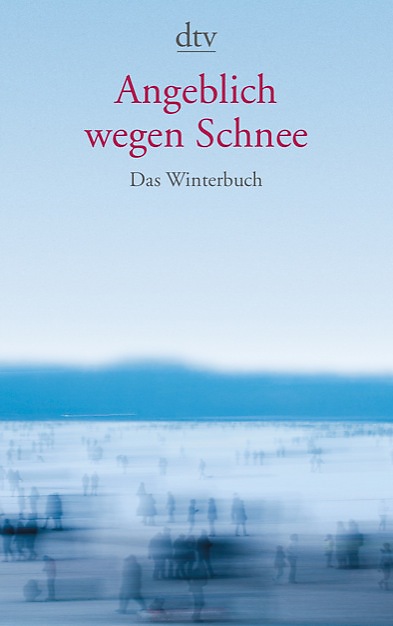
Allegedly Because of Snow – Angeblich wegen Schnee (2013) A Winter Book edited by Babette Schaefer

Angeblich wegen Schnee

Consider this as a hybrid post for German Literature Month as two-thirds of the book include texts from other countries but it’s such an excellent book that I had to write about it now.

I found this snowy anthology in the bookshop recently and don’t think I’ve ever finished a collection of short stories this quickly. Anthologies are always a gamble and often at least half of the texts included don’t work for me. I think in this case there was maybe one story I didn’t like, everything else was either good or excellent.

If you are familiar with German anthologies you might now that they will consist of more than just German authors. This one is no exception. Of the 18 texts, stories and poems included, 11 are written by German writing authors, the others are from different other countries.

I’ll start with the German writing authors first.

Judith Zander – Germany. Zander is a poet. Her poem isn’t easily accessible but interesting. She has a way with words, combines metaphor and creates new words. She has not been translated so far.

Christopher Kloeble – Germany. Very interesting story of someone who takes revenge on a rapist. He hasn’t been translated yet.

Alex Capus – Switzerland. Several of Capus’ novels have been translated. Léon and Louise – A Matter of Time – Almost Like Spring. He is not an author who has tempted me so far. This story is rooted in the 60s. The narrator looks back on his childhood. An older self speaks to the younger person who goes through feelings of shame and inadequacy. The style was too unadorned for me, but I could imagine that would work well for others.

Arno Geiger – Austria. Geiger always receives a lot of positive feedback and prizes for his novels. One of which We Are Doing Fine has been translated. This anthology contains a chapter taken from the novel Anna nicht vergessen – Don’t forget Anna) and it’s told from the point of view of an obsessive compulsive stalker. Chilling.

Antje Rávic Strubel – Germany. Rávic Strubel is one of the younger authors of the anthology. She was born in the former GDR. The story in this anthology shows a writer with a powerful voice and a knack for quirky stories rooted in the hip culture of modern-day Germany.

Mascha Kaléko – Germany. Kaléko was a very famous Jewish-German poet, one whose trademark it was to write about the working life of typists, life in a big city, and small, mundane things. She was one of those who left Germany early. She emigrated to the US in 1938. It seems her work hasn’t been translated, which is a shame as the poems are like very short stories, evocative and beautiful.

Peter Schwiefert – Germany. I hadn’t heard of Peter Schwiefert before but the letter included in this anthology, which has been taken from the collection edited by his sister Angelika Schrobsdorff was quite a discovery. It’s a letter to his mother Elke who has been portrayed by Angelika in the book You Are Not Like Other Mothers. Peter Schwiefert died fighting for the Allies in France, in 1940. From Angelikas’ biography of her mother it is known that she was an amazing woman. Very free for her time. The tone of the letter of her son shows an intimate and very loving relationship. I’ll certainly read Angelika’s book and the collection of Peter’s letters to his mother.

Ingo Schulze – Germany. Schulze was born in the former GDR. Since his first publications Simple Stories and 33 Moments of Happiness (both available in English) he is one of the most important German authors. The text included here is taken from Orangen und Engle (Oranges and Angels) – sketches from Italy. I loved this so much, it put me in the mood to read everything he’s written. It’s an autobiographical story, set in Italy where Schulze spent some time. His most striking talent is to paint with words and to capture another culture, other cities with a few words but at the same time, he gives us an intimate view of a writer’s life.

Siegfried Lenz – Germany. Lenz is one of the German classics. Many of his books like The German Lesson – A Minute of Silence – Stella and many more have been translated. The story in the anthology is taken from a collection of short stories. It’s about ice fishing. Not much of a story but written in masterful style.

Peter Handke – Austria. Handke is a modern classic of Austrian literature and widely translated (The Goalie’s Anxiety at the Penalty Kick – Short Letter, Long Farewell – Slow Homecoming). I reviewed his A Sorrow Beyond Dreams here Like Grass he’s not as much liked in Germany or Austria anymore due to problematic political statements. As a writer he’s highly acclaimed. He’s not one of the most accessible but praised for his unique style. The text here is a short part taken from a novel. It’s the only contribution in the book that didn’t do much for me. It was well written but taken out of context it felt odd.

Thomas Glavinic – Austria. Glavinic is an interesting author and I’ve been meaning to read him for a while. The piece in this book was taken from a novel and while I didn’t really see where the novel as a whole would go, it made me curious to read more of him and I could see why critics and readers alike are drawn to his writing. These are some of the titles available in English The Camera Killer – Night Work – Pull Yourself Together. I’d like to read The Camera Killer, story of a double murder of which is said “ it is a disturbing game planned and executed with disturbing perfection.”

The other authors

Graham Swift -UK. I don’t think I need to introduce Graham Swift. The excerpt was taken from the novel Wish You Were Here. It didn’t really work as a standalone, but made me curious to read the book. I’ve read Swift before and liked him quite a bit.

Muriel Barbery – France. The anthology includes a chapter from her novel The Elegance of the Hedgehog. I’ve got it here and am pretty sure I’ll read it soon. It was one of the best contributions in this book. Dense, multilayered, original.

Mikko Rimminen – Finland. Rimminen was another new to me author. The text included was fast-paced and action-driven. It’s been taken from one of his novels. He’s been translated into Italian, French, German but not English so far.

David Guterson – US. I never felt like reading Snow Falling on Cedars but the excerpt in this anthology put me in the mood. I can see why some people may think he overdid it with the descriptions but I loved it.

Gyula Krúdy – Hungary. I’ve been meaning to read Hungarian author Krúdy for years now and keep on collecting his books. The short story here is a wonderful end-of the-year story full of melancholia and nostalgia. Of all the stories in the book I’d say this and the piece by Polish writer Wlodzimierz Odojewski were the most emotional and amazing regarding style. Krúdy’s work has been translated. Life is a DreamSunflower

Fan Wu – China/US.  Fan Wu is the author of February Flowers a novel I’d love to read since the story included in the anthology was one of the best. She was born in China and writes in English and Chinese. The story included here is a psychological portrait, rooted in a Chinese setting. Really appealing. Most of her stories are available in English in magazines like Granta, The Missouri Review  . . .

Wlodzimierz Odojewski -PolandThe biggest discovery was this new to me Polish author. His story takes place in an apartment at night, in winter. Young Marek and his older cousin Karola stay behind when thier parents go to church. The darkness invades the place and Marek feels a happiness like never before. The story is rich in atmosphere and relates memories of a childhood during war. The war is not very present, there are just hints here and there. Odojewski has been translated into several languages but not English. I’ve ordered one of his novellas and am really looking forward to start it.

Do you know any of these authors?

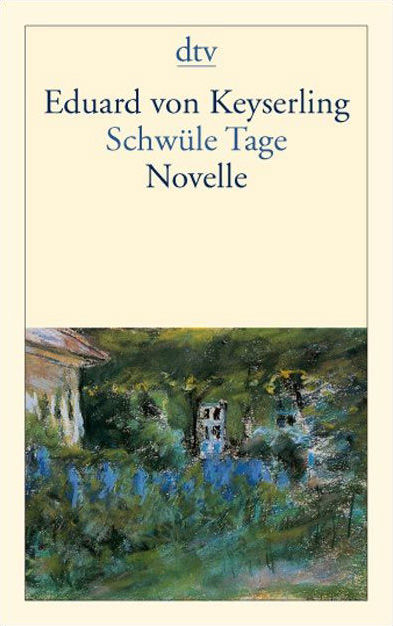
On Eduard von Keyserling’s – Schwüle Tage (Sultry Days) – (1916)

Schwüle Tage

Today we had the first snow. I woke to a fine layer of white in the morning. I don’t think it will stay, it’s already raining. Nonetheless it is strange to write about a book set during a sultry, sweltering summer.

Occasionally critics wonder why Eduard von Keyserling is not as widely read in Germany as Theodor Fontane. I often wonder why he isn’t translated into English. After having read the novella Schwüle Tage (Sultry Days) I think I can say with great certainty that being compared to Fontane may be the reason for both. Not because he isn’t as good and the comparison would be unfavorable, no, just because it’s wrong or, at least, not entirely correct. There is another important author whose work is far closer to Keyserling and that is Arthur Schnitzler. The subconscious plays a far greater role in Keyserling than in Fontane. Suppressed emotions and sensuality are more important than class and the rules of society. This particluar novella put me also in mind of an author I have discovered earlier this year: Hjalmar Söderberg.

None of his works illustrates this better than Schwüle Tage a short novella set during one hot summer. It is told from the point of view of an 18 year-old student who, failing his exams, can’t join his mother and siblings and spend his summer holiday  on the sea-side but has to stay with his patriarchical and domineering father on his estate. The young man is bored to death and quite afraid of his stern and pedantic father. Battling boredom and budding sexuality, he spends his days studying or yearning for fulfilment.

While the estate is busy during the day and servants and maids go about their tasks, mysterious things happen at night. Everyone seessm to lead a secret life during the night. One of the maids sings languorous songs in the park, his father goes for long walks, servants sneak around. Some of the servants tell the young man, that the night is the time during which everyone tries to satisfy their needs. The boy wants to participate and manages to seduce one of the maids.

Secretly the young man is in love with one of his cousins. The two girls are the only young people from the same social background he will see during this summer. He’s sad to know that the older and more seductive will get married and appalled when he finds out that she has a lover. Not only is he disappointed that she belongs to someone else but horrified to find out it is his father.

The end of the novella is unexpectedly tragic and will stay in my mind for a long time.

I loved how this tragic story was rendered, in impressionistic touches, and focussing on the hidden desires and yearnings of these people. They were all trapped in this rigid society and many a stern face was hiding great pain.

When I read this story I was reminded of many of Schnitzler’s tales and found it odd that a German writer, notably one from the Baltic sea, wrote like an Austrian. Only after finishing Schwüle Tage did I discover that von Keyserling studied and lived in Vienna for a long time and later moved to Münich where he stayed until his death. I felt that the influence was palpable. As much as I like Fontane, I love von Keyserling more because he adds a more interior, intimate layer to his writing.

I really hope that editors discover this amazing author and start to translate his work.

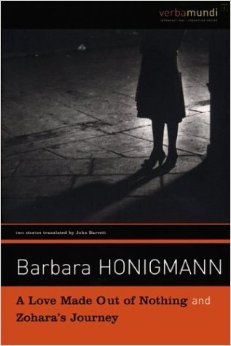
Barbara Honigmann: A Love Made Out of Nothing – Eine Liebe aus nichts (1991)

A Love Made Out of Nothing

Barbara Honigmann’s A Love Made Out of Nothing tells the story of a young expatriate’s journey back to Weimar to attend her father’s funeral. As the narrator remembers her father’s life, she explores her own past and relates her struggle to establish new roots following her emigration from Berlin to Paris. In its portrayal of a young woman’s complex relationship with her father, the novella offers a rich account of German-Jewish history and of the search for identity in the shadow of World War II.

This is my first book by German author Barbara Honigmann but it’s not going to be my last. I loved this novella. A Love Made Out of Nothing  – Eine Liebe aus nichts is written in a very intimate style, almost like a memoir. Honigmann usually weaves her own life into the narrative, blending fact and fiction.

The narrator, who lives in Paris, starts her story with the funeral of her father. He has died in Weimar and she wanted to attend. It’s the first time in years that she goes back to Germany. She’s born in East-Berlin after the war to Jewish parents who had spent WWII in England. After the war the father decides to live in the Russian sector.

Her father has been married four times, her mother was wife number two. She’s returned to her home country Bulgaria years ago and even lost the German language. There is no possibility for the narrator to communicate with her as she doesn’t speak Bulgarian.

During her childhood she spent all of her weekends with her father and stayed in contact with him ever since. A couple of years before his death, she leaves the DDR and moves to Paris, hoping that a new city, a new language would not only bring a new life but her own transformation.

Much of her emotional life is full of shadows and muted grief over the impossibility to live with the man she loves. All they have is a “Love Made Out of Nothing” as it proves to be impossible for them to live together. When she meets someone else that love can’t be lived either because the man returns to the US.

Memory, identity, languages, exile and emigration are the themes this small poetic book explores. The reasons why someone leaves his or her home country are complex. Political reasons, danger, a lack of freedom are triggers, but they are not the only motive. There is always also the wish to become another person and when that isn’t possible what remains is a feeling of loss and unfulfilled yearning. The narrator wishes to be rootless, but, paradoxically, in trying to run away from her home and her parents she imitates their life.

Barbara Honigmann is a Jewish author but she transcends the Jewish experience and captures the universality of her themes, making it easy for non-Jewish readers to identify. I have read the German edition of this book that’s why I can’t tell you anything about the second novella, which is contained in the English edition.