Do You Remember the First Book You Bought?

Nuvat the Brave

I still remember that day as if it had been yesterday. I was nine years old and already an avid reader. I had a little bit of money, pocket money I hadn’t spent on comics and some of the sour gums I liked to eat. It was strange to go to school on a Saturday afternoon. Usually that’s when school was off, but it was a special day, a special occasion, and I was keen on spending what little money I had saved.  I still see the entrance of the school, smell the linoleum floor, and heavy chalky air. No other school ever smelled as chalky as this. The display tables took up all the space of the entrance hall and my heart began to beat incredibly fast as soon as I was close to them. I wouldn’t be able to buy a lot. I had to choose carefully and wisely. It wouldn’t be enough money to buy more than one or two books.

The used book sale was a charity event. Children had brought the books they didn’t want anymore, and the school library had contributed those, which were not circulated any longer. There wasn’t a lot I loved more than books, not even at the age of nine. My mother always bought me the latest children’s books and the old classics. Whenever she heard that someone sold the books of their older children, she bought those too. That was wonderful and I loved it, still nothing could compare to that day and the used book sale in my elementary school because that day I bought my very first book.

I still have it somewhere in the attic. It’s torn, the spine is broken, the pages are loose, but the linen cover is still intensely blue and the little Inuit boy in his canoe is still standing upright on the front cover promising a tale of adventure and a world I didn’t know, a world long gone by now. The title was simple, embossed in bold, black letters: “Nuvat the Brave“ by Radko Doone —or rather “Nuvats grosse Fahrt“ in its German translation. It was one of the books the library discarded, an old book that no child had ever checked out.

The book wasn’t only the first book I bought, it opened a door to something, which I have been passionate about ever since – foreign cultures, the promise of strange and haunting tales, other life styles and mysterious rites and habits. A whole wide, wondrous world for me to discover.

Which was the first book you bought?

Literature and War Readalong August 29 2014: Undertones of War by Edmund Blunden

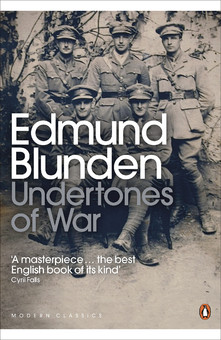
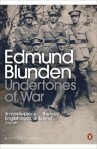
Undertones of War

Edmund Blunden’s Undertones of War is one of the most famous WWI memoirs. Blunden was a poet who enlisted at the age of twenty and took part in the battles at the Somme, Ypres and Passchendaele. My edition, which is The University of Chicago Press edition, contains a number of his poems. It will be interesting to compare the accounts of the trenches with the poems inspired by the landscape.

Here are the first sentences

I was not anxious to go. An uncertain but unceasing disquiet had been upon me, and when, returning to the officers’ mess a Shoreham Camp one Sunday evening, I read the notice that I was under orders for France, I did not hide my feelings. Berry, a subaltern of my set, who was also named for the draft, might pipe to me “Hi, Blunden, we’re going out: have a drink.”; I could not dance. There was something about France in those days which looked to me, despite all journalistic enchanters, to be dangerous.

And  some details and the blurb for those who want to join

Undertones of War by Edmund Blunden (UK 1928) WWI, Memoir, 288 pages

In what is one of the finest autobiographies to come out of the First World War, the distinguished poet Edmund Blunden records his experiences as an infantry subaltern in France and Flanders. Blunden took part in the disastrous battles of the Somme, Ypres and Passchendaele, describing the latter as ‘murder, not only to the troops, but to their singing faiths and hopes’. In his compassionate yet unsentimental prose, he tells of the heroism and despair found among the officers. Blunden’s poems show how he found hope in the natural landscape; the only thing that survives the terrible betrayal enacted in the Flanders fields.

*******

The discussion starts on Friday, 29 August 2014.

Further information on the Literature and War Readalong 2014, including all the book blurbs, can be found here.

Literature and War Readalong 2014

The Black FlowerThe Killer AngelsMarch

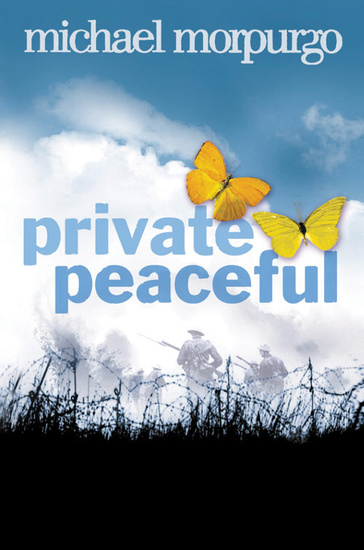
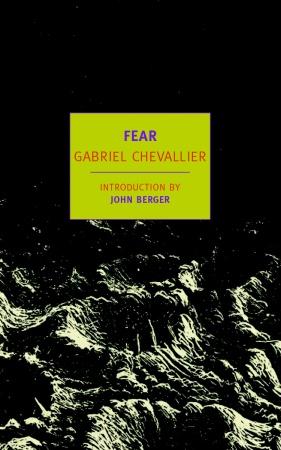
Toby's RoomPrivate PeacefulFear

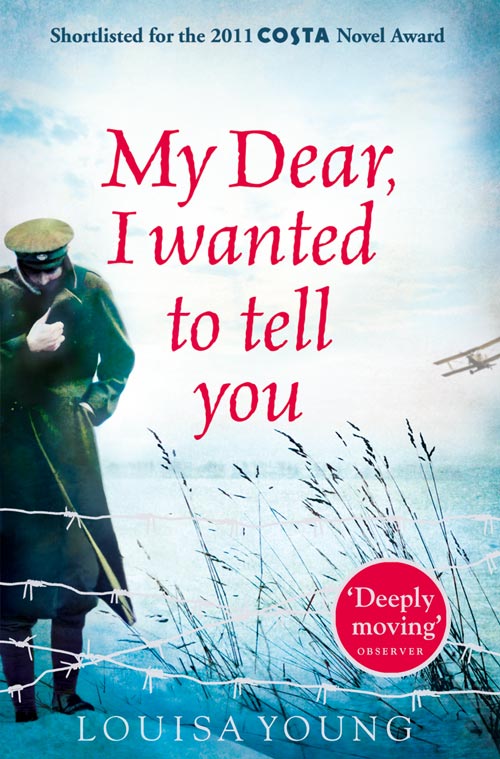
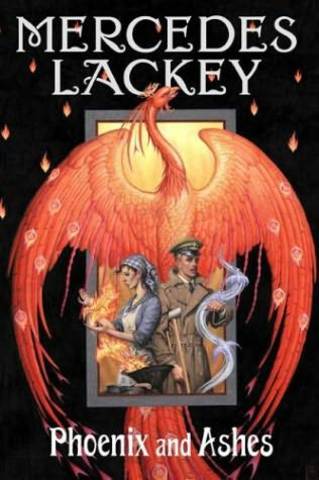
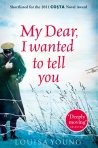
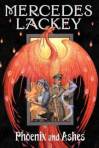
Undertones of WarMy Dear I Wanted To Tell YouPhoenix and Ashes

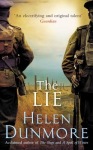
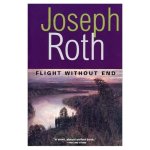
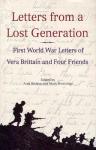
The LieFlight Without EndLetters From a Lost Generation

The books for Literature and War Readalong 2011 and 2012 were following the different wars in chronological order. This year, 2013, we focused on different countries and wars we hadn’t covered so far. Next year will be about genre and WWI.

I was afraid a whole year dedicated to WWI books would be too much, especially since a lot of blogs run events for the Centenary, that’s why I decided to start with three novels on the American Civil War, one of which was part of 2011’s readalong, but had to be postponed. After that it’s all about WWI and to make it more interesting, I’ve included different genres: Memoir, letters, historical fiction, literary fiction, a children’s book and one fantasy novel. I hope there will be something for everyone among these titles.
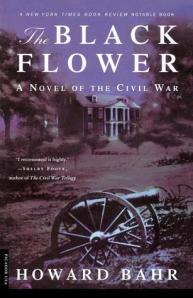
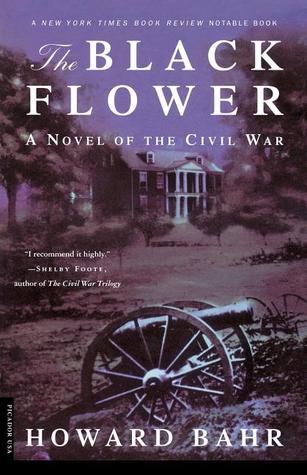
The Black Flower

January, Friday 31 

The Black Flower by Howard Bahr (US 2000), American Civil War, Novel, 272 pages

The Black Flower is the gripping story of a young Confederate rifleman from Mississippi named Bushrod Carter, who serves in General John Bell Hood’s Army of Tennessee during the Civil War battle that takes place in Franklin, Tennessee, in November 1864. Written with reverent attention to historical accuracy, the book vividly documents the fear, suffering, and intense friendships that are all present on the eve of the battle and during its aftermath. When Bushrod is wounded in the Confederate charge, he is taken to a makeshift hospital where he comes under the care of Anna, who has already lost two potential romances to battle. Bushrod and Anna’s poignant attempt to forge a bond of common humanity in the midst of the pathos and horror of battle serves as a powerful reminder that the war that divided America will not vanish quietly into the page of history.
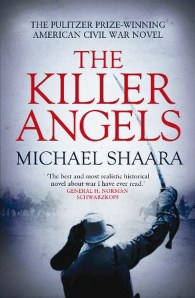
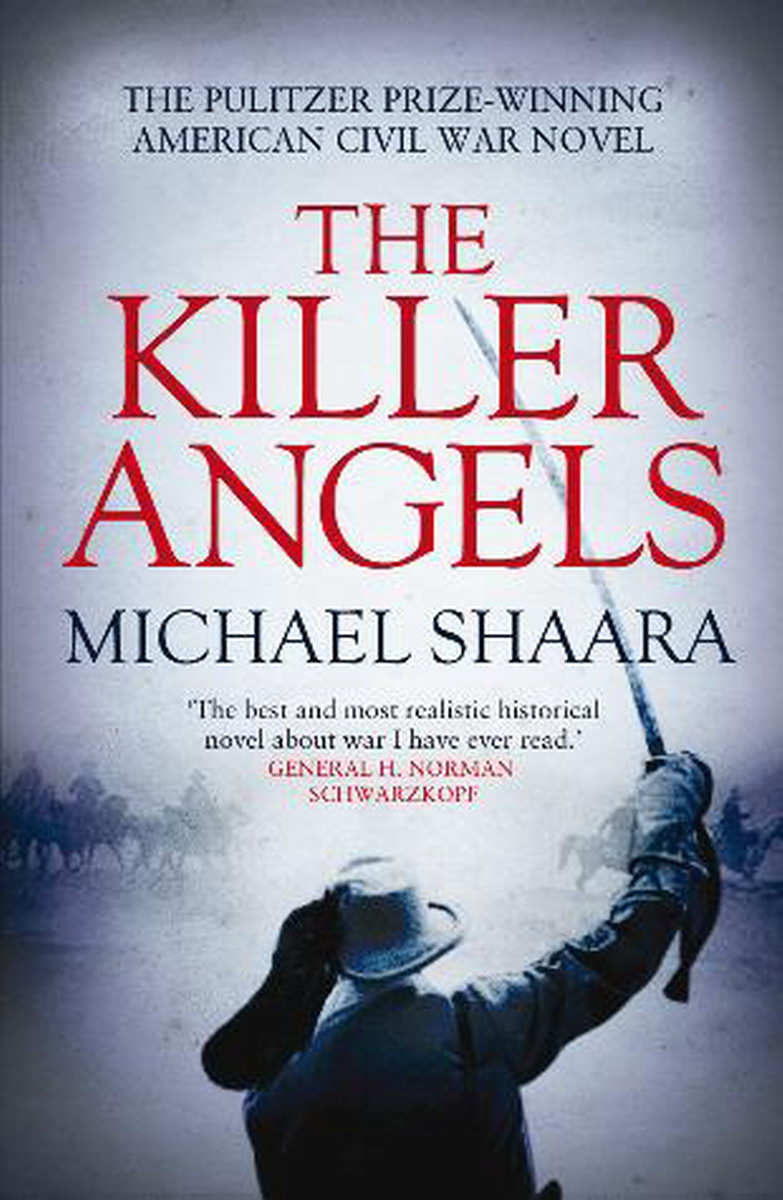
The Killer Angels

February, Friday 28

The Killer Angels by Michael Shaara (US 1974), American Civil War, Novel, 355 pages

The late Shaara’s Pulitzer Prize-winning novel (1974) concerns the battle of Gettysburg and was the basis for the 1993 film Gettysburg. The events immediately before and during the battle are seen through the eyes of Confederate Generals Lee, Longstreet, and Armistead and Federal General Buford, Colonel Joshua L. Chamberlain, and a host of others. The author’s ability to convey the thoughts of men in war as well as their confusion-the so-called “fog of battle”-is outstanding. This unabridged version is read clearly by award-winning actor George Hearn, who gives each character a different voice and effectively conveys their personalities; chapters and beginnings and ends of sides are announced. Music from the movie version adds to the drama. All this comes in a beautiful package with a battle map. Recommended for public libraries not owning previous editions from Recorded Books and Blackstone Audio (Audio Reviews, LJ 2/1/92 and LJ 2/1/93, respectively).
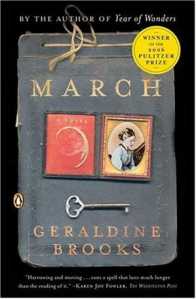
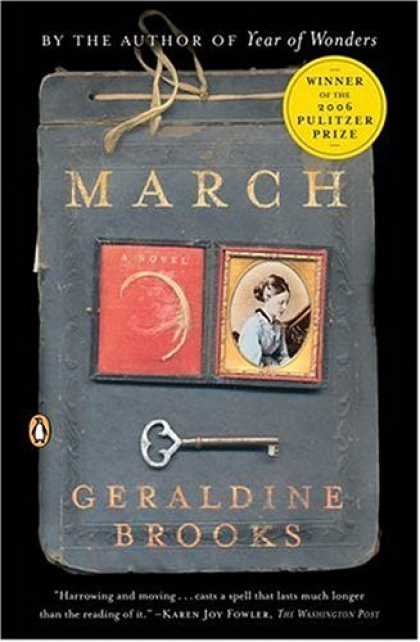
March

March, Monday 31

March by Geraldine Brooks (Australia 2005) American Civil War, Novel, 304 pages

Brooks’s luminous second novel, after 2001’s acclaimed Year of Wonders, imagines the Civil War experiences of Mr. March, the absent father in Louisa May Alcott’s Little Women. An idealistic Concord cleric, March becomes a Union chaplain and later finds himself assigned to be a teacher on a cotton plantation that employs freed slaves, or “contraband.” His narrative begins with cheerful letters home, but March gradually reveals to the reader what he does not to his family: the cruelty and racism of Northern and Southern soldiers, the violence and suffering he is powerless to prevent and his reunion with Grace, a beautiful, educated slave whom he met years earlier as a Connecticut peddler to the plantations. In between, we learn of March’s earlier life: his whirlwind courtship of quick-tempered Marmee, his friendship with Emerson and Thoreau and the surprising cause of his family’s genteel poverty. When a Confederate attack on the contraband farm lands March in a Washington hospital, sick with fever and guilt, the first-person narrative switches to Marmee, who describes a different version of the years past and an agonized reaction to the truth she uncovers about her husband’s life. Brooks, who based the character of March on Alcott’s transcendentalist father, Bronson, relies heavily on primary sources for both the Concord and wartime scenes; her characters speak with a convincing 19th-century formality, yet the narrative is always accessible. Through the shattered dreamer March, the passion and rage of Marmee and a host of achingly human minor characters, Brooks’s affecting, beautifully written novel drives home the intimate horrors and ironies of the Civil War and the difficulty of living honestly with the knowledge of human suffering.
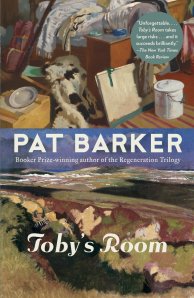
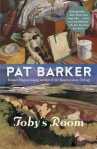
Toby's Room

April, Monday 28

Toby’s Room by Pat Barker (UK 2013), WWI, Novel, 272 pages

Pat Barker returns to the First World War in Toby’s Room, a dark, compelling novel of human desire, wartime horror and the power of friendship.

When Toby is reported ‘Missing, Believed Killed’, another secret casts a lengthening shadow over Elinor’s world: how exactly did Toby die – and why? Elinor determines to uncover the truth. Only then can she finally close the door to Toby’s room. Moving from the Slade School of Art to Queen Mary’s Hospital, where surgery and art intersect in the rebuilding of the shattered faces of the wounded, Toby’s Room is a riveting drama of identity, damage, intimacy and loss. Toby’s Room is Pat Barker’s most powerful novel yet.
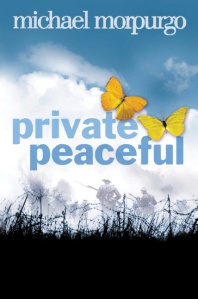
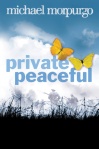
Private Peaceful

May, Friday 30

Private Peaceful by Michael Morpurgo (UK 2003)  WWI, Children’s Book, 192 pages

Heroism or cowardice? A stunning story of the First World War from a master storyteller.

Told in the voice of a young soldier, the story follows 24 hours in his life at the front during WW1, and captures his memories as he looks back over his life. Full of stunningly researched detail and engrossing atmosphere, the book leads to a dramatic and moving conclusion.

Both a love story and a deeply moving account of the horrors of the First World War, this book will reach everyone from 9 to 90.
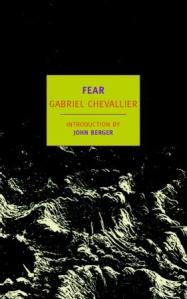
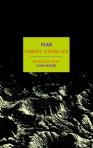
Fear

June, Friday 27

FearLa Peur by Gabriel Chevallier (France 1930)  WWI, Classic, Novel, 320 pages

It is 1915. Jean Dartemont is just a young man. He is not a rebel, but neither is he awed by authority and when he’s called up and given only the most rudimentary training, he refuses to follow his platoon. Instead, he is sent to Artois, where he experiences the relentless death and violence of the trenches. His reprieve finally comes when he is wounded, evacuated and hospitalised.

The nurses consider it their duty to stimulate the soldiers’ fighting spirit, and so ask Jean what he did at the front.

His reply?

‘I was afraid.’

First published in France in 1930, Fear is both graphic and clear-eyed in its depiction of the terrible experiences of soldiers during the First World War.
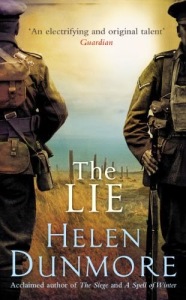
The Lie

July, Monday 28

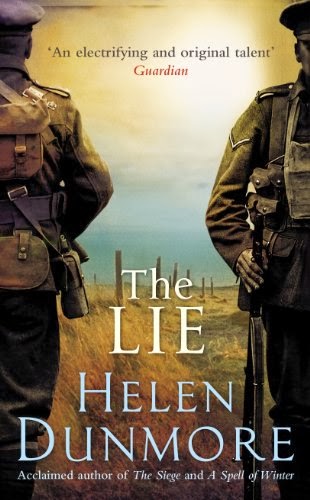
The Lie by Helen Dunmore (UK 2014) WWI, Novel, 304 pages

Set during and just after the First World War, The Lie is an enthralling, heart-wrenching novel of love, memory and devastating loss by one of the UK’s most acclaimed storytellers. Cornwall, 1920, early spring.

A young man stands on a headland, looking out to sea. He is back from the war, homeless and without family.

Behind him lie the mud, barbed-wire entanglements and terror of the trenches. Behind him is also the most intense relationship of his life.

Daniel has survived, but the horror and passion of the past seem more real than the quiet fields around him.

He is about to step into the unknown. But will he ever be able to escape the terrible, unforeseen consequences of a lie?
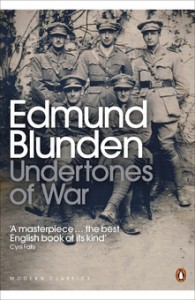
Undertones of War

August, Friday 29

Undertones of War by Edmund Blunden (UK 1928) WWI, Memoir, 288 pages

In what is one of the finest autobiographies to come out of the First World War, the distinguished poet Edmund Blunden records his experiences as an infantry subaltern in France and Flanders. Blunden took part in the disastrous battles of the Somme, Ypres and Passchendaele, describing the latter as ‘murder, not only to the troops, but to their singing faiths and hopes’. In his compassionate yet unsentimental prose, he tells of the heroism and despair found among the officers. Blunden’s poems show how he found hope in the natural landscape; the only thing that survives the terrible betrayal enacted in the Flanders fields.
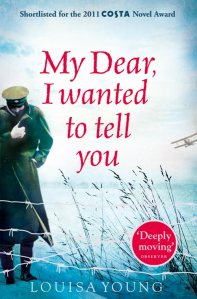
My Dear I Wanted To Tell You

September, Monday 29

My Dear, I wanted to tell you by Louisa Young (UK 2011) WWI, Historical Fiction, 336 pages

A letter, two lovers, a terrible lie. In war, truth is only the first casualty. ‘Inspires the kind of devotion among its readers not seen since David Nicholls’ One Day’ The Times

While Riley Purefoy and Peter Locke fight for their country, their survival and their sanity in the trenches of Flanders, Nadine Waveney, Julia Locke and Rose Locke do what they can at home. Beautiful, obsessive Julia and gentle, eccentric Peter are married: each day Julia goes through rituals to prepare for her beloved husband’s return. Nadine and Riley, only eighteen when the war starts, and with problems of their own already, want above all to make promises – but how can they when the future is not in their hands? And Rose? Well, what did happen to the traditionally brought-up women who lost all hope of marriage, because all the young men were dead?

Moving between Ypres, London and Paris, My Dear I Wanted to Tell You is a deeply affecting, moving and brilliant novel of love and war, and how they affect those left behind as well as those who fight.
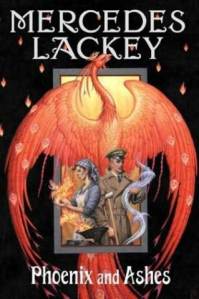
Phoenix and Ashes

October, Friday 31

Phoenix and Ashes by Mercedes Lackey (US 2004) WWI, Fantasy, 468 pages

In this dark and atmospheric rendition of the Cinderella fairy tale, an intelligent young Englishwoman is made into a virtual slave by her evil stepmother. Her only hope of rescue comes in the shape of a scarred World War I pilot of noble blood, whose own powers over the elements are about to be needed more than ever.

“A dark tale full of the pain and devastation of war…and a couple of wounded protagonists worth routing for.”
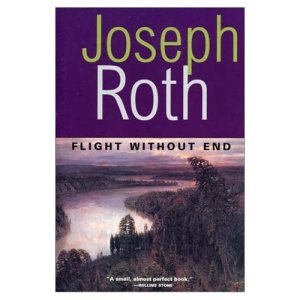
Flight Without End

November, Friday 28

Flight Witout End – Die Flucht ohne Ende by Joseph Roth (Austria 1927) WWI, Classic,  144 pages

Flight Without End, written in Paris, in 1927, is perhaps the most personal of Joseph Roth’s novels. Introduced by the author as the true account of his friend Franz Tunda it tells the story of a young ex-office of the Austro-Hungarian Army in the 1914- 1918 war, who makes his way back from captivity in Siberia and service with the Bolshevik army, only to find out that the old order, which has shaped him has crumbled and that there is no place for him in the new “European” culture that has taken its place. Everywhere – in his dealings with society, family, women – he finds himself an outsider, both attracted and repelled by the values of the old world, yet unable to accept the new ideologies.
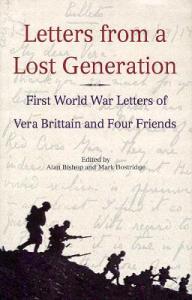
Letters From a Lost Generation

December, Monday 29

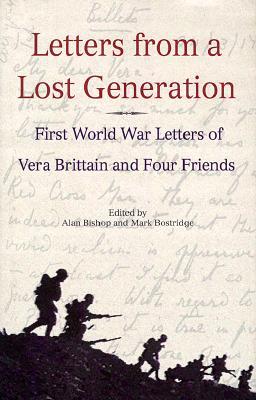
Letters from a Lost Generation by Vera Brittain and Four Friends (UK) WWI, Letters, 448 pages

Nothing in the papers, not the most vivid and heart-rending descriptions, have made me realise war like your letters’ Vera Brittain to Roland Leighton, 17 April 1915.

This selection of letters, written between 1913 & 1918, between Vera Brittain and four young men – her fiance Roland Leighton, her brother Edward and their close friends Victor Richardson & Geoffrey Thurlow present a remarkable and profoundly moving portrait of five young people caught up in the cataclysm of total war.

Roland, ‘Monseigneur’, is the ‘leader’ & his letters most clearly trace the path leading from idealism to disillusionment. Edward, ‘ Immaculate of the Trenches’, was orderly & controlled, down even to his attire. Geoffrey, the ‘non-militarist at heart’ had not rushed to enlist but put aside his objections to the war for patriotism’s sake. Victor on the other hand, possessed a very sweet character and was known as ‘Father Confessor’. An important historical testimony telling a powerful story of idealism, disillusionment and personal tragedy.

I think the list is very different from the last years. The one or the other title like Mercedes Lackey’s book is a bit of gamble but I tried to make the list as diverse as possible.

I hope that many of you will join.

Jeanette Winterson: Why Be Happy When You Could Be Normal? (2011)

Why Be Happy

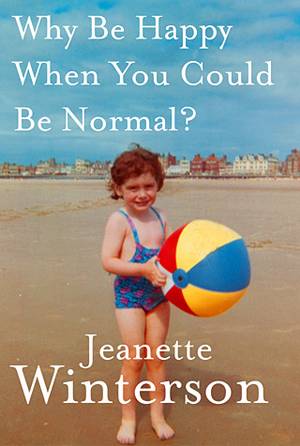
In 1985 Jeanette Winterson’s first novel, Oranges Are Not the Only Fruit, was published. It was Jeanette’s version of the story of a terraced house in Accrington, an adopted child, and the thwarted giantess Mrs Winterson. It was a cover story, a painful past written over and repainted. It was a story of survival.

This book is that story’s the silent twinIt is full of hurt and humour and a fierce love of life. It is about the pursuit of happiness, about lessons in love, the search for a mother and a journey into madness and out again. It is generous, honest and true.

Jeanette Winterson’s first novel Oranges Are Not the Only Fruit is largely inspired by her childhood. Her memoir Why Be Happy When You Could Be Normal? tells the other side of the story. That what was left out. It took me a long time to read this memoir. I started it four times, not because it’s not good, but because reading it was painful. The first part, until Jeanette leaves home at 16 and her mother asks her the question that has become the title of the book, is painful and disturbing for many reasons. The wit and the humor she uses to describe her awful childhood made me shudder. Shudder because I didn’t get it. I didn’t understand how you could live through so much pain and not go crazy, to write a book at 21 and become famous and leave it all behind. I was glad she proved to be so resilient, but it made me uneasy. I kept on thinking: When is it going to happen? When will she break down? Is that still in the future? I don’t think that you can survive a childhood like Winterson’s and not break down eventually. It’s just a matter of time.The second part of the book deals with what came much later. Jeanette Winterson’s descent into madness (her terms), her breakdown and attempted suicide in 2008. Reading that felt like entering a freshly aired room. I know this may sound weird, but the beginning made me choke. I couldn’t believe that she’d left it all behind and only when I read about the descent into madness, did I finally feel glad for her. Now she can move on.

Jeanette Winterson was adopted by the Wintersons when she was 6 months old. She was never told who her real parents were and her mother always said that the devil led them to the wrong crib, meaning she would have liked another child, a nicer child. This is such a typical statement from a woman like Mrs Winterson who is a depressed zealot and always utters half-truths in bible-inspired metaphor. Jeanette Winterson says that all of her books start with individual meaningful sentences and we see where that comes from. Her mother often only says one dark ominous sentence over and over again. Sometimes without any apparent connection to what just happens or what was just said. “Ask not for whom the bell tolls . . .”, “It’s a fault to heaven, a fault against the dead and a fault to nature . . . ” Uttered without any context or referring to very mundane things like the gas oven blowing up, these sentences are either creepy or hilarious.

Winterson grew up in the North of England, near Manchester and she loves this part of the country, lovingly tells us about its history, which is quite interesting. The Wintersons are not only religious fanatics but working class and her mother is so suspicious of books that she confiscates and burns all of those Jeanette has been hiding.

Punishment is frequent and comes in different forms. Either Jeanette is beaten or left outside all night and day, on the door step, even in winter.

When she falls in love with a girl, and Mrs W finds out, they perform an exorcism. Jeannette finally leaves at 16. She only returns once, when she’s studying in Oxford and things go very wrong. That’s the last time she sees her mother.

As you may have guessed, this isn’t an easy book to write about. I marked so many passages and sentences that hardly any page is left white. Jeanette Winterson has a way with words that is amazing. Although I don’t always agree, I find the sentences, many of which are used in her novels, arresting.

In her novel Oranges Are Not the Only Fruit, Jeanette Winterson paints her mother like a giantess and in her memoir she says she was too large for her circumstances. I was puzzled that there was no explanation whatsoever why Mrs W was the way she was. Mean, fanatic, abusive, depressed and just plain crazy. She had her dreams and her wishes, but smothered them. She lived as if she was wearing a very tight corset. The Wintersons were Pentecostals and the religion was like a mental corset.

If you like memoir, then you should read this. It’s disturbing, but it’s so amazingly well written and the first part has hilarious moments. Mrs Winterson is crazy, but she really is larger than life. She reminded me of some of Picasso’s paintings of grotesquely deformed women. We read about her with horror, but at the same time we almost wishes we had been there. I even felt compassion, there were small details that could almost make her endearing. At the end of the book, when Jeanette Winterson has found her birth mother and looks back on her childhood, she says she’s glad Mrs Winterson was her mother. Although she was crazy and abusive, she made her who she is, maybe without such an adoptive mother, there wouldn’t be a writer like Jeanette Winterson. I can understand that thinking very well.

Will Schwalbe: The End of Your Life Book Club (2012) A Memoir

End of Your Life Book Club

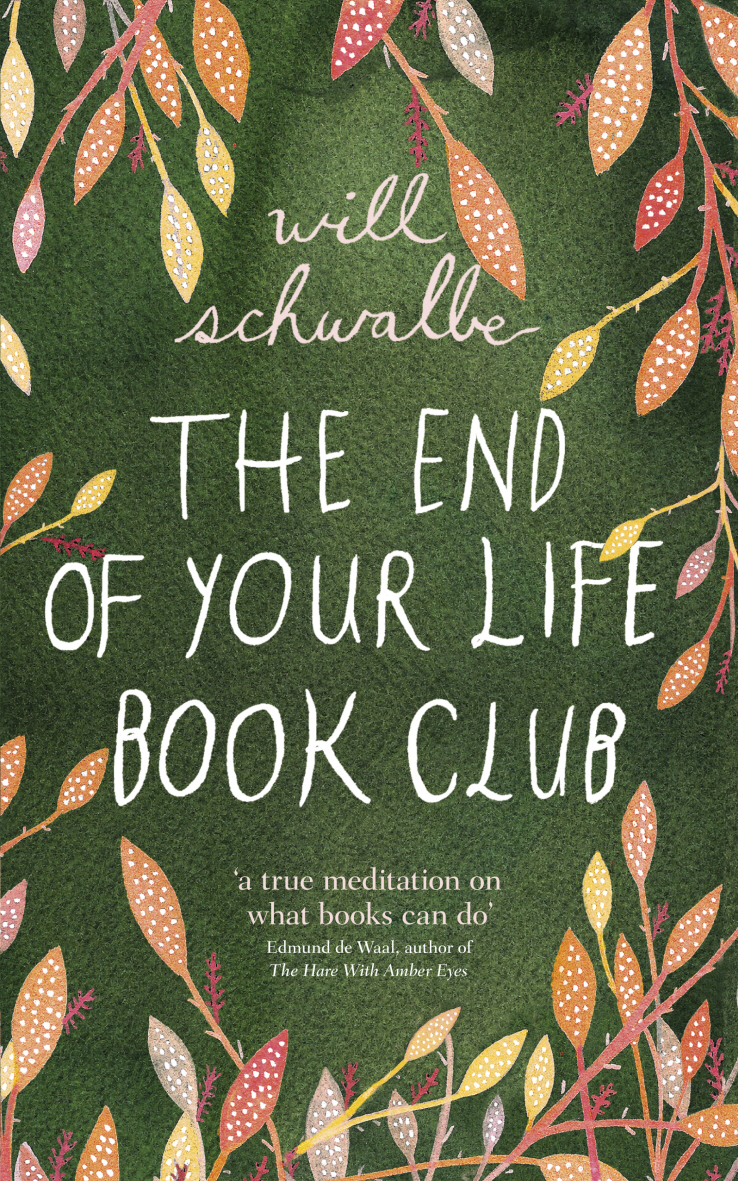
Will Schwalbe’s memoir The End of Your Life Book Club is one of those books that needs a review because it’s hard to tell from the blurb what it is about. Sure, it’s about books and the love for books and a beautiful friendship between a mother and son, but more than that it’s about an amazing woman and her terminal illness. People who pick this up may think, like I did, that it was to a large extent about books, which isn’t the case. Books are mentioned on every other page, but the largest part is about Schwalbe’s mother, her life and her battle with pancreatic cancer.

Will Schwalbe and his mother always loved to read and discuss books, but when she is diagnosed with pancreatic cancer and has to undergo regular chemo therapy, they decide to use the time they spend together at the hospital discussing books they have both read and that’s how they start The End of Your Life Book Club. The beginning of each chapter is dedicated to the book they have been reading and the discussion they have. The book choices are varied and I loved reading about them. Continental DriftCrossing to Safety, The Painted Veil, Olive Kitteridge, The Girl with the Dragon Tattoo, Brooklyn,The Elegance of the Hedgehog are but a few books they read, discuss and enjoy.

After this usually brief paragraph about books, Schwalbe leads us directly to his main topic: his mother. His mother must have been a very courageous woman. She travelled from one hot spot to the next for the Women’s Refugee Committee. She helped refugees all over the world and put herself in great danger to do so. She was a fighter but at the same time she was a genuinely kind woman and to read about her and the love the people felt for her is quite beautiful.

What will not be everyone’s cup of tea is the detailed description of the therapies, the side effects and the battle to just live a few months longer. Pancreatic cancer is mostly terminal and most people don’t have much more than a few months after the diagnosis. Schwalbe’s mother was lucky, she lived a full two years. Years that she lived to the fullest, not missing any opportunity to enjoy life and do good. This is quite admirable. I liked her belief that you should never look away from what is bad in our world but always strive to do good.

I feel heartless writing this but the book did not work for me. I have no problem to read about terminal illness. I read the memoir written by Susan Sontag’s son and found it excellent. So that’s not the reason. And of course I love reading about books but in a way, I felt this memoir was too personal. There were too many details added that just didn’t mean anything to me, because it’s not my mother or someone I know. She ate this and liked it, she drank that and couldn’t swallow… She saw these friends and those grandchildren… There were just too many mundane and ordinary details that are only significant when you know a person. Since they wrote a blog about her illness to keep family and friends updated, I suspect, large portions of this book were based on those entries. This may be a reason why the writing was a bit bland.

I think this is a book which could be of great help if you have a friend or relative who has cancer, especially pancreatic cancer. It shows extremely well and in a lot of detail what can be done, what the side effects of some of the therapies are and when you have to decide to let go. As a book on cancer it’s great. As a book about one person’s mother, it’s too personal and as a book about books it is a let down. It says it’s about books and reading but they rather form a bracket around the rest.

Still I’ve discovered a few titles I didn’t know and would like to read:

Victor Lavalle’s Big Machine

Reynold Prices’s Feasting the Heart

Danyal Mueenuddin In Other Rooms, Other Wonders

There was also one book I know I will not be able to read and that is  Mariatu Kamara’s The Bite of the Mango (look it up and you’ll know why). Reading about it made me sick.

Have you read any of these?

Michael Herr: Dispatches (1977) Literature and War Readalong December 2012

https://beautyisasleepingcat.com/wp-content/uploads/2011/11/dispatches.jpg

Dispatches is Michael Herr’s account of his time in Vietnam as a front-line reporter. It’s an example of what is commonly called gonzo journalism as invented by Hunter S. Thompson. The beginning reminded me of William S. Burroughs’ books like Naked Lunch or Tom Wolfe’s Electric Kool Aid Acid Test. Pure 60s writing, fragmented, high on dope and high-strung as well. Not my cup of tea anymore. I used to read this type of books as a teenager, nowadays I prefer more lyrical approaches with a stronger narrative.

What Herr tried to do in the beginning, is make the reader experience as close as possible, what it was like to be there. I thought it was difficult to follow. I lost interest more than once and couldn’t help comparing it to Tim O’Brien’s masterpiece. I’m afraid Dispatches doesn’t hold up. On the other hand it’s not fair to compare them because they are totally different. O’Brien’s novel is a blend of fiction and non-fiction with a lot of metafictional elements. Herr tries to tell it as it was. Whatever he describes, even though it is filtered through his experience, it’s still true while O’Brien embellished and made things up. Sure, we could argue that truth is relative anyway and that’s precisely what O’Brien did argue. Be it as it may, Herr didn’t consciously change anything to make it “more real”.

Dispatches consists of 6 parts and while I had problems with the first three, I really liked the last three called Illumination Rounds, Colleagues and Breathing Out. Illumination Rounds is a series of portraits of soldiers Herr met in Vietnam and shows the wide range of people. How some of them got affected so badly by the war that they didn’t want to go back home, got addicted to it, or got crazy. They are just small vignettes but I found each of them powerful. Colleagues was equally interesting. This time fellow reporters and photo journalists were at the center of the story. The most prominent ones being Sean Flynn, Erroll Flynn’s son, a photojournalist and Dana Stone, another reporter. The two men disappeared in 1970, on the Cambodian border were they were said to have been captured by communist guerillas and were never seen again. Quite a sad story, really. Both were friends of Michael Herr and while he isn’t too outspoken it is obvious that he felt deeply when he heard about their disappearance. I attached two tributes that I found on YouTube.

Breathing Out focusses on the return home and how everything just seemed so dull. Something that you see mentioned often in Vietnam accounts is that the soldiers enjoyed being there to some extent because it was so intense.

An important part of the book looks at how the journalists were treated. Many of the soldiers were glad to have them because they wanted people to know how it really was. There were some others who hated them for being there without having to but purely because they wanted to. This was precisely the reason why others admired them. It takes guts to go somewhere like that if you don’t have to. The reasons for the journalists in Herr’s account to be there were very rarely political. Some were adventurers and Vietnam was just a way to combine making money with traveling and experiencing something nobody else had experienced.

Reading this book made me wonder what this war would have been like if it had been fought in the 80s. It’s so much part of 60s culture and was so much influenced by it. What would it have been like without the pot smoking, the music, the attitude of the people?

One part that I found extremely interesting is when Herr writes that arriving in Vietnam took a lot of adjustment at first because they had all seen too many war movies and it took a while until it sank in that this were not just pictures flickering by. I always though that was a newer problem but I guess nowadays it is video games, not movies which blur the lines.

I really can’t say this isn’t a good book but I would have appreciated it more a few years ago and if I had read it some other time. In any case, it felt very authentic, very realistic, gritty but not too graphic. However if you are looking for background information on Vietnam, that’s not the book to turn to.

Other reviews

Reading Michael Herr’s Dispatches (Danielle – A Work in Progress)

Danielle (A Work in Progress)

*******

Dispatches was the last book in the Literature and War Readalong 2012. The first in 2013 is The Yellow Birds by Kevin Powers (2012), 240 pages – US – Iraq war.

Discussion starts on Monday 28 January, 2013.

Further information on the Literature and War Readalong 2013, including all the book blurbs, can be found here.

Aharon Applefeld: The Story of a Life – Sippur chajim (1999) Literature and War Readalong August 2012

In his memoir The Story of a Life acclaimed author Aharon Applefeld tells the story of his childhood and how he came to be a writer. He starts by describing his earliest memories, the beauty he experienced, the love he received from his parents and grandparents. Most prominent in his memories is his last summer holiday as a child of five when he and his parents visited the grand parents in the Carpathians. Little Aharon’s parents are quiet people. They don’t talk a lot and Aharon learns early just to observe, be in the moment and absorb everything around him, the light, the scents, nature. These sensory memories will haunt him all his life. But this idyllic summer is the last peaceful moment of his childhood. Hitler comes to power, war breaks out. At first the family lives in a ghetto, later on they are transported to the camps. Both his parents are killed, his mother right at the beginning of the war. After having lost his father as well, Aharon escapes into the forest where he lives for years until he joins others. Together they first walk from the Ukraine to Italy and from there to Palestine, their new home.

The memoir is a book of a rare beauty. It taps into the deepest recesses of the soul where vague and sensory memories are stored. Because he was a child and a taciturn child at that, he is lacking words for what has happened to him. This makes this memoir so amazing, it’s like watching someone feel around, probe and slowly approach the right words to convey what it was like. Fleeting memories and strong impressions are mixed. Some people, some stories stand out but a lot is just like shadows on the wall.

The loss of his mother tongue leads to further fragmentation. In his family they spoke three different languages, on his long escape to Italy and from there to Palestine, there are more languages spoken and when he finally arrives in Palestine he has to let go of all of them and learn a new one, Hebrew. This is all painful.

I’ve read all sorts of WWII accounts and novels but they never focussed on orphaned children. It’s hard to imagine what it means to lose your parents, your home, your mother tongue. And Palestine wasn’t as welcoming as one would think. Especially not when you felt you wanted to talk about what happened and later to write about it.

Applefeld had to overcome an incredible amount of obstacles before becoming the writer he is today. He had to dig out his memories from where they were buried, find the right words, find the right language. He had to fight hostility too. Every single one of his books is an attempt to capture what happened to him and how it felt.

The Story of a Life is in part exactly that, the story of one man’s life, but more than that it’s a meditation on language and how to put into words, make palpable what is just a fleeting sensory impression. No wonder the cold, the wind, the rain are things which catapult him back to the war years. The war, he writes, is stored in his body, his bones. Because he was so little at the time, lacking the ability to fully comprehend and put into words what happened, the memoir and most of his novels, it seems, are more like a search, a quest almost for what once was, an attempt at conjuring up what was lost.

This is a book I can highly recommend even to those who are tired of reading about WWII and the Holocaust. It is a rich, inspiring and very meditative book about life and how to tell one’s story.

Other reviews

Danielle (A Work in Progress)

Judith (Reader in the Wilderness)


*******

The Story of A Life was the eighth book in the Literature and War Readalong 2012. The next one will be Richard Bausch: Peace. Discussion starts on Friday 28 September, 2012.