Spanish Literature Month – July 2012

There have been requests last year and then a rumour started to spread and now it’s official: July is Spanish Literature Month. Stu (Winstonsdad’s Blog) and Richard (Caravana de recuerdos) who co-host this event have organized a watchalong (Carlos Saura) and two readalongs (Juan Carlos Onetti A Brief Life and Enrique Vila-Matas Bartleby and Co.) but if you cannot make them you are free to choose whatever you like. If you want to join, just leave a comment at one of the two blogs. Here’s Stu’s intro post and here the one by Richard.
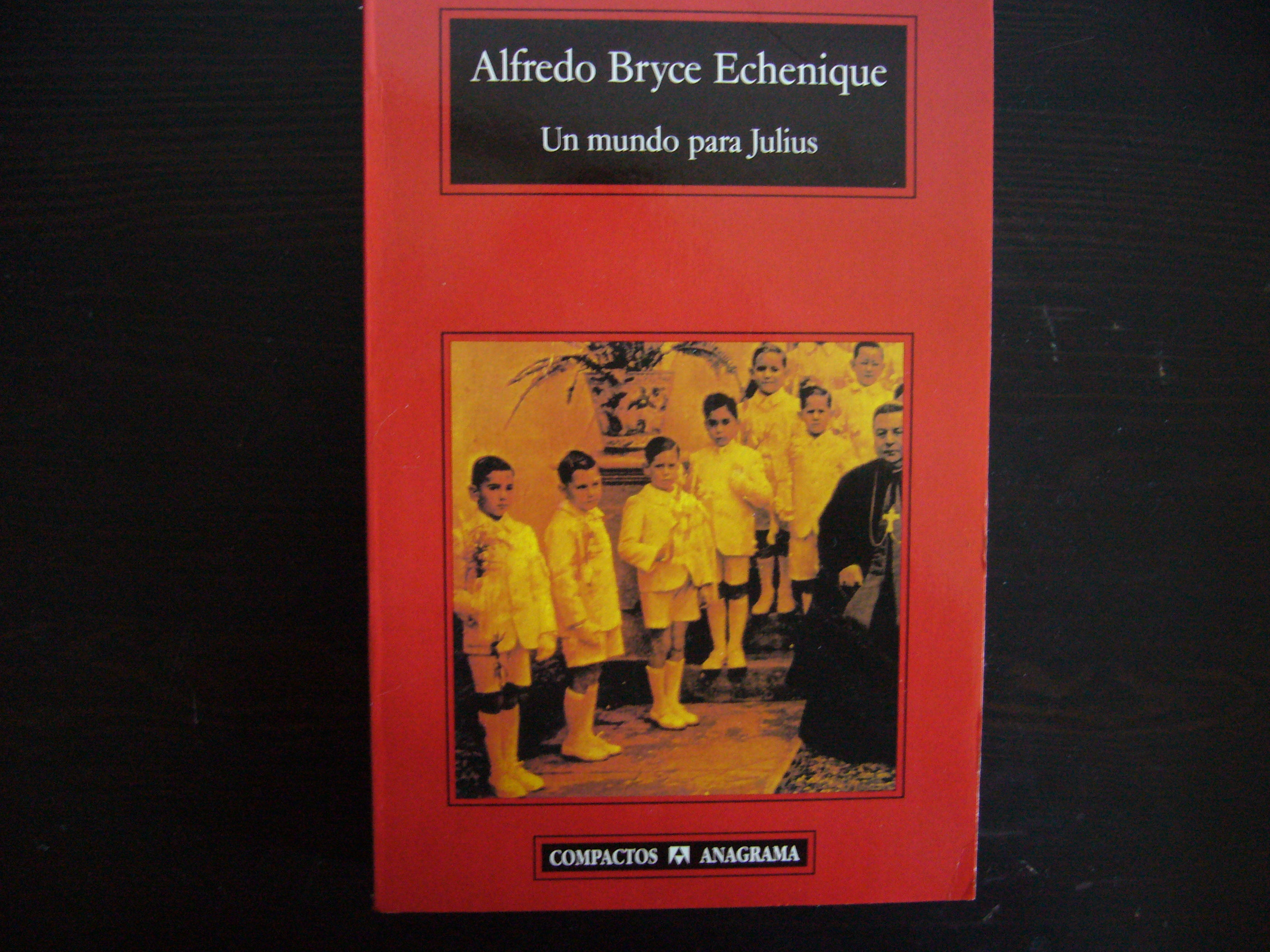
As you can see I have an idea what I would like to read. Since I may not be able to read a lot, I want at least to read one of the books I have in Spanish. A few years back I bought Un mundo para Julius by Peruvian writer Alfredo Bryce Echenique. I like books about the end of an era. They are usually lyrical, nostalgic and melancholic. This seems to be no exception.

It has been translated into English as A World for Julius.

Julius was born in a mansion on Salaverry Avenue, directly across from the old San Felipe Hippodrome.” Life-size Disney characters and cowboy movie heroes romp across the walls of his nursery. Out in the carriage house, his great-grandfather’s ornate, moldering carriage takes him on imaginary adventures. But Julius’s father is dead, and his beautiful young mother passes through her children’s lives like an ephemeral shooting star. Despite the soft shelter of family and money, hard realities overshadow Julius’s expanding world, just as the rugged Andes loom over his home in Lima. This lyrical, richly textured novel, first published in 1970 as Un mundo para Julius, opens new territory in Latin American literature with its focus on the social elite of Peru. A member of that elite, Bryce Echenique incisively charts the decline of an influential, centuries-old aristocratic family who becomes nouveaux riches with the invasion of foreign capital in the 1950s. A World for Julius, his first novel, marks the first appearance in English of this important Peruvian writer, whose Latin American postmodern fiction has won critical acclaim throughout the Spanish-speaking world.

I may end up reading something less challenging in terms of pages. Two authors I like a lot are Almudena Grandes from Spain and Maria Luisa Bombal from Chile. I still have some of their books I have not read.

Product Details

The crime novels by Teresa Solana A Not So Perfect Crime and A Shortcut to Paradise are possible choices as well.

Or another Peruvian author. I just recently got Vargas Llosa’s Death in the Andes – Lituma en los Andes.

Set in an isolated, run down community in the Peruvian Andes, Vargas Llosa’s riveting novel tells the story of a series of mysterious disappearances involving the Shining Path guerrillas and a local couple performing cannibalistic sacrifices with strange similarities to the Dionysian rituals of ancient Greece. Part-detective novel and part-political allegory, it offers a panoramic view of Peruvian society; not only of the current political violence and social upheaval, but also of the country’s past, and its connection to Indian culture and to pre-Hispanic mysticism.

I have read Juan Carlos Onetti before and liked him very much. To make sure that I really read at least something, I will join the readalong of A Brief Life. The details can be found on Richard’s and Stu’s blog.

I could suggest some other books but I think Stu and Richard are doing a great job at pointing out books you should discover.

Are you joining as well? What are you going to read? Do you have favourites of Latin American and Spanish literature?

Funny Novels

I like to read a funny novel once in a while but when I’m in the mood, I never seem to know what I should pick. So when I discovered the ten books you can see on the picture, offered as a collection for only 9£ by the book people (only available in the UK), I had to have them as they were called a “collection of classic funny British and American novels”. One of the books, Lucky Jim, has been recommended to me by a friend as the funniest novel she has ever read.

Here are the ten novels:

Cold Comfort Farm by Stella Gibbons

Lucky Jim by Kingsley Amis

The Diary of a Nobody by George and Weedon Grossmith

Scoop by Evelyn Waugh

A Confederacy of Dunces by John Kennedy Toole

Three Men in a Boat by Jerome K. Jerome

Mapp and Lucia by E.F. Benson

Nothing….Except my Genius by Oscar Wilde

Raffles: The Amateur Cracksman by E. W. Hornung

Modern Baptists by James Wilcox

The funniest books I’ve read so far were

John Steinbeck’s Cannery Row

Helen Fielding’s Bridget Jones’ Diary

Douglas Adams’ The Hitchhiker’s Guide to the Galaxy,

Erich Kästner’s Drei Männer im Schnee – Three Men in the Snow (oop)

Philippe Jaenada’s Le chameau sauvage (not translated)

I also thought that Janet Evanovitch’s One For the Money was very funny. Other than that, I’m a bit at a loss.

The problem with recommendations for funny novels stems obviously from the fact that the sense of humour of one person is so very different from the sense of humour of another one. I even suspect that relationships have ended due to incompatibilities in that department (following right after incompatible tastes in music). Especially satire and black humour aren’t everybody’s cup of tea. While I consider the movie No Man’s Land to be extremely funny, other people think it’s in bad taste to laugh about three guys trapped between enemy trenches with a bomb strapped to one of them.

What is considered to be funny or comic and why is a topic even great minds deemed worthy of analysis. If you are interested to explore this some more I can recommend two classic essays which are quite interesting, Bergson’s Laughter: An Essay on the Meaning of the Comic – Le rire: Essai sur la signification du comique  and Freud’s The Joke and Its Relation to the Unconscious – Der Witz und seine Beziehung zum Unbewussten.

While I could make a long list of funny movies and series (and might do so in a future post), I have, as you may have realized, a hard time to come up with a similar book list.

Do you know any of the novels in my collection? Do you consider them to be really funny? Which are the funniest novels you have read?

Ferdinand von Schirach: Guilt – Schuld (2010)

After having read Ferdinand von Schirach’s excellent first collection CrimeVerbrechen (here is my review), I had to have his second collection Guilt – Schuld and his novel Der Fall Collini right away. The novel isn’t out in English yet but it is due end of 2012.

Any which way you want to look at von Schirach’s books, “literary”, “true story”, whatever, they make for pretty addictive reading. I finished this in a sitting or two.

The angle in this collection is a bit different but some of the striking features of the first are present here as well. Most of the crimes are astonishing, many go wrong, often the perpetrator ends up being the victim and not everybody gets punished.

The focus is less the tipping point than the question of guilt. Interestingly not only the criminal’s guilt but to a certain degree even the lawyer’s guilt. There are a few cases, some date back to von Schirach’s early days as a criminal defense lawyer, where at the end I had the feeling that he felt guilty. Guilty because someone walked who shouldn’t have.

Like in the first collection, we get a close look at the German criminal system. I find it interesting how important it is for the lawyer to follow the law 100% even if the punishment doesn’t sound just. I always find it fascinating how a definition can alter the sentence completely. There is one case in which it is crucial to establish whether if someone kills a sleeping man it can ever be anything else than murder. Can it be manslaughter or even self-defence when the person is asleep? Or let’s say someone tries to kill someone, hurts the person badly but then stops before he is dead. That changes everything as well. These details were the best parts in this collection.

There are cases in which you even wonder whether there is not some superior justice at work, for example when a perpetrator gets run over by a car before being even able to commit the gruesome murder he had planned in many details and written down in his diary.

The tone is close to the first book, laconic, brief, to the point. There is no judging of people, no pointing the finger, just a very factual account of what happened.

All in all I liked this collection but not as much as the first. Whether there is a difference – I felt the cases in the first collection were more astonishing as a whole – or whether they are too alike, I’m not sure but I found it a bit less original and not as touching but still well worth reading. I’m really looking forward to read the novel and as I know it will be published soon in English, I will review it in a couple of weeks. If you don’t have any of the two collections yet it may be worth waiting as they will be released together in September Crime and Guilt.

If you are interested in hearing Ferdinand von Schirach talking about crime, punishment, guilt and his very special laconic writing style you might enjoy watching this interview (English and German with translation).

Montreux, Lake Geneva, Anita Brookner and some French Books

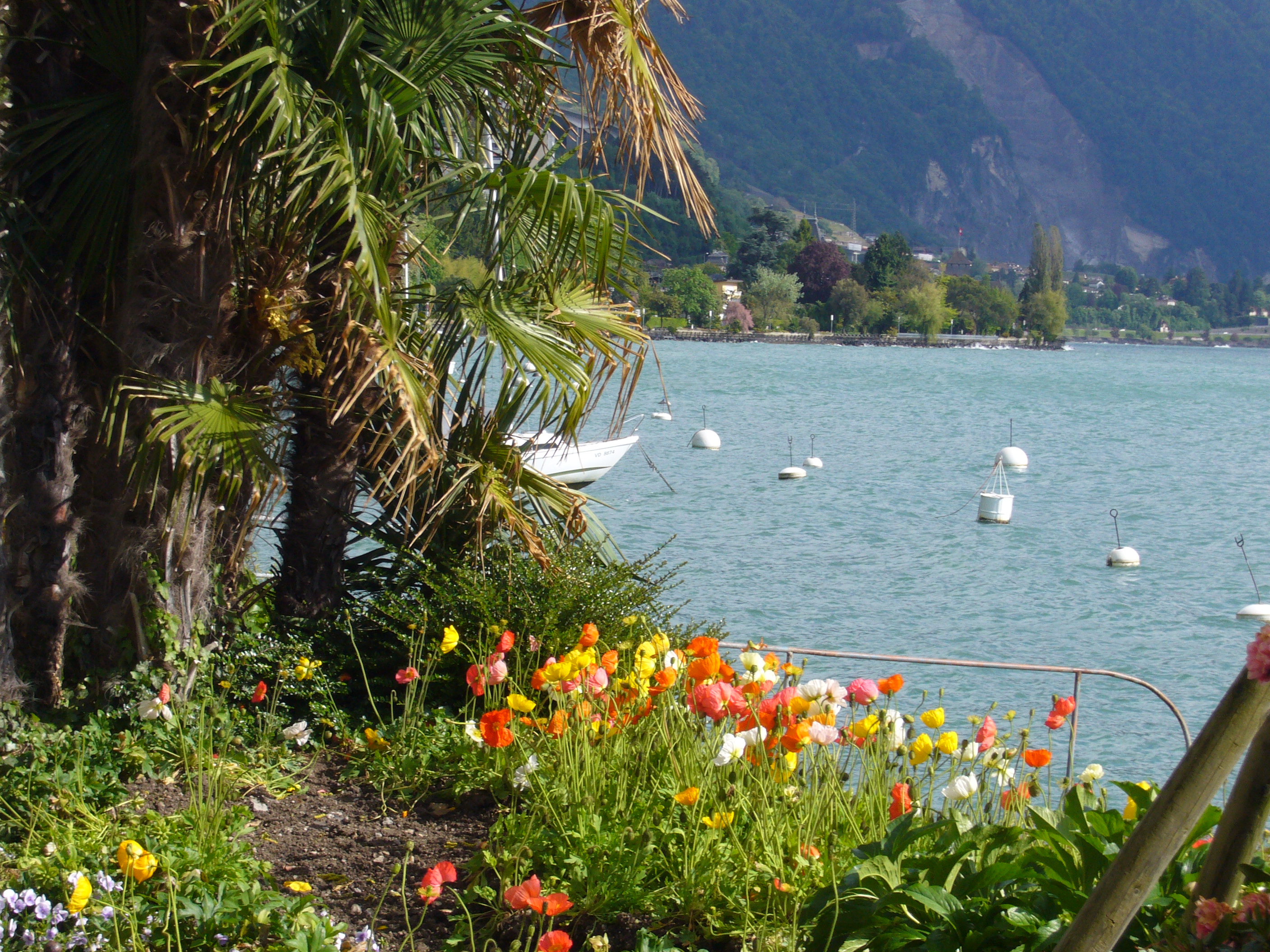
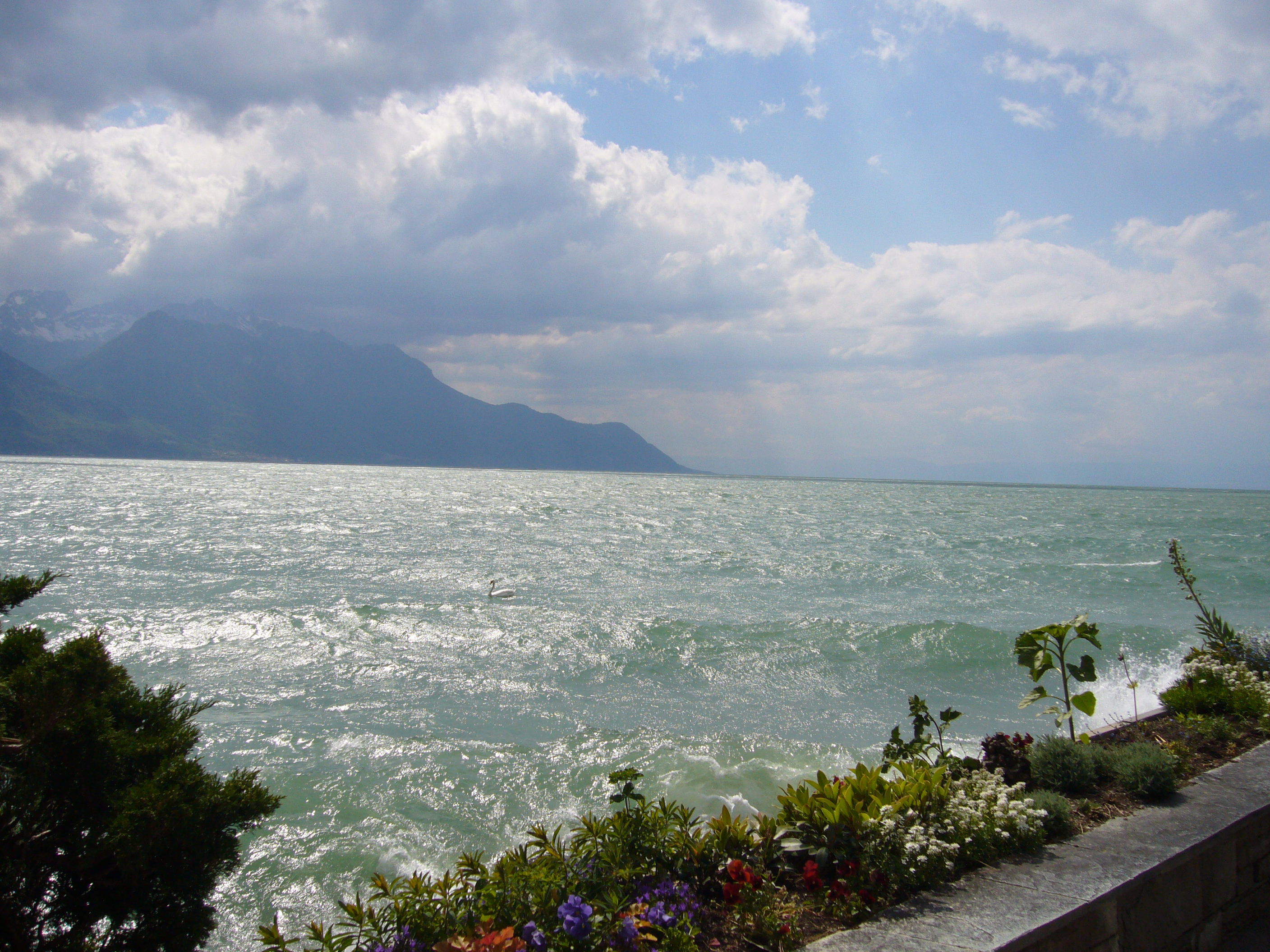
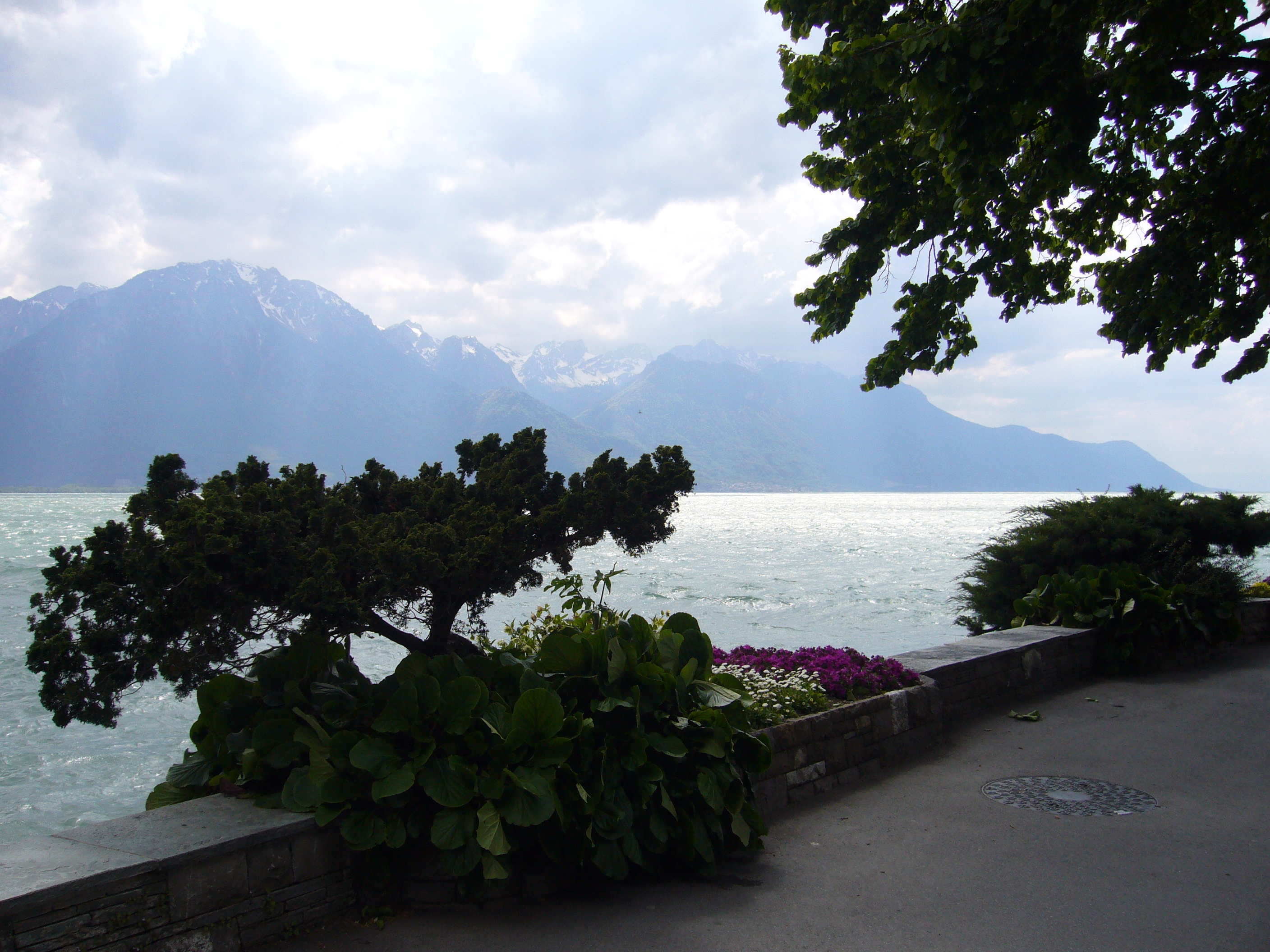
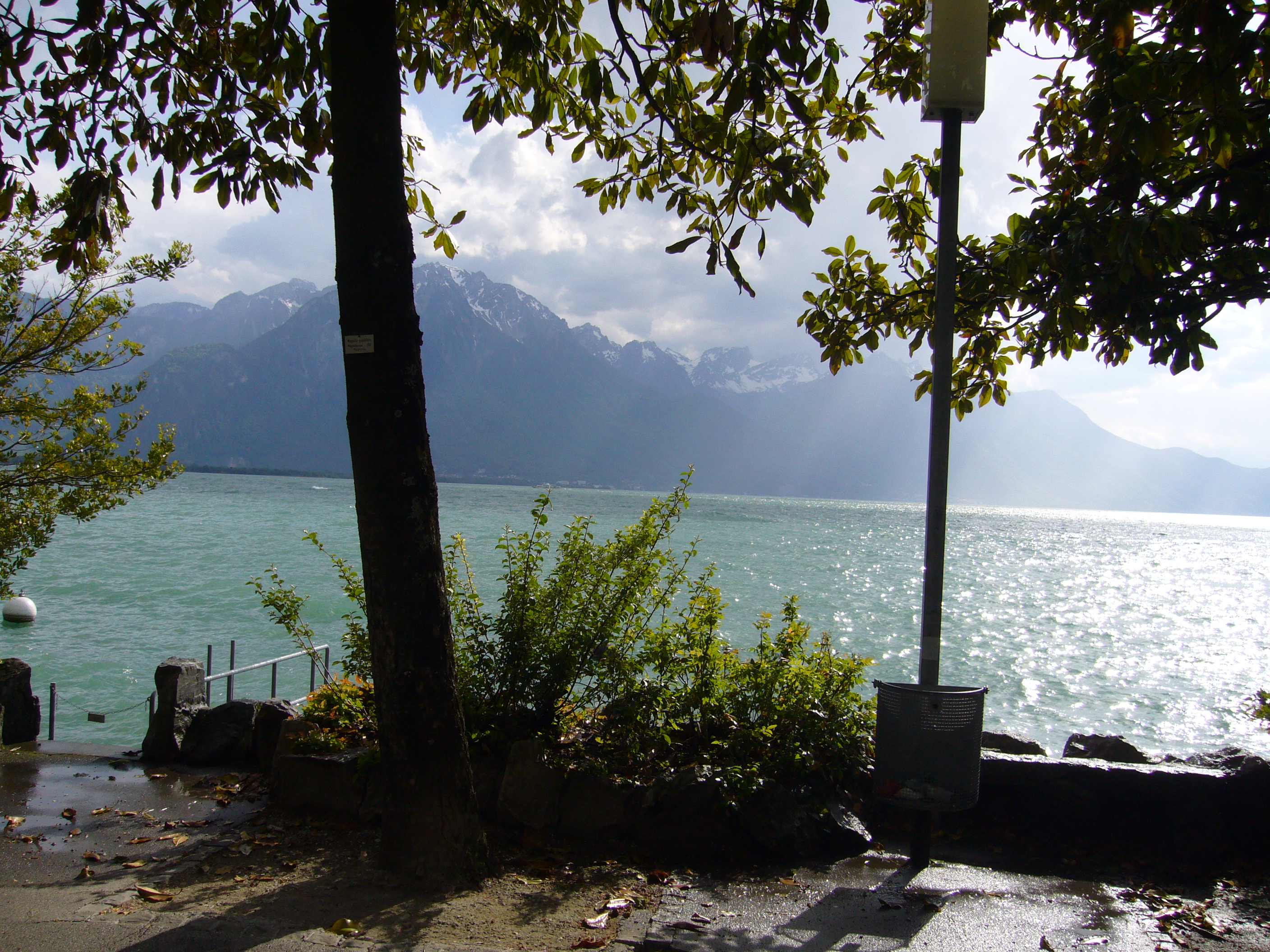
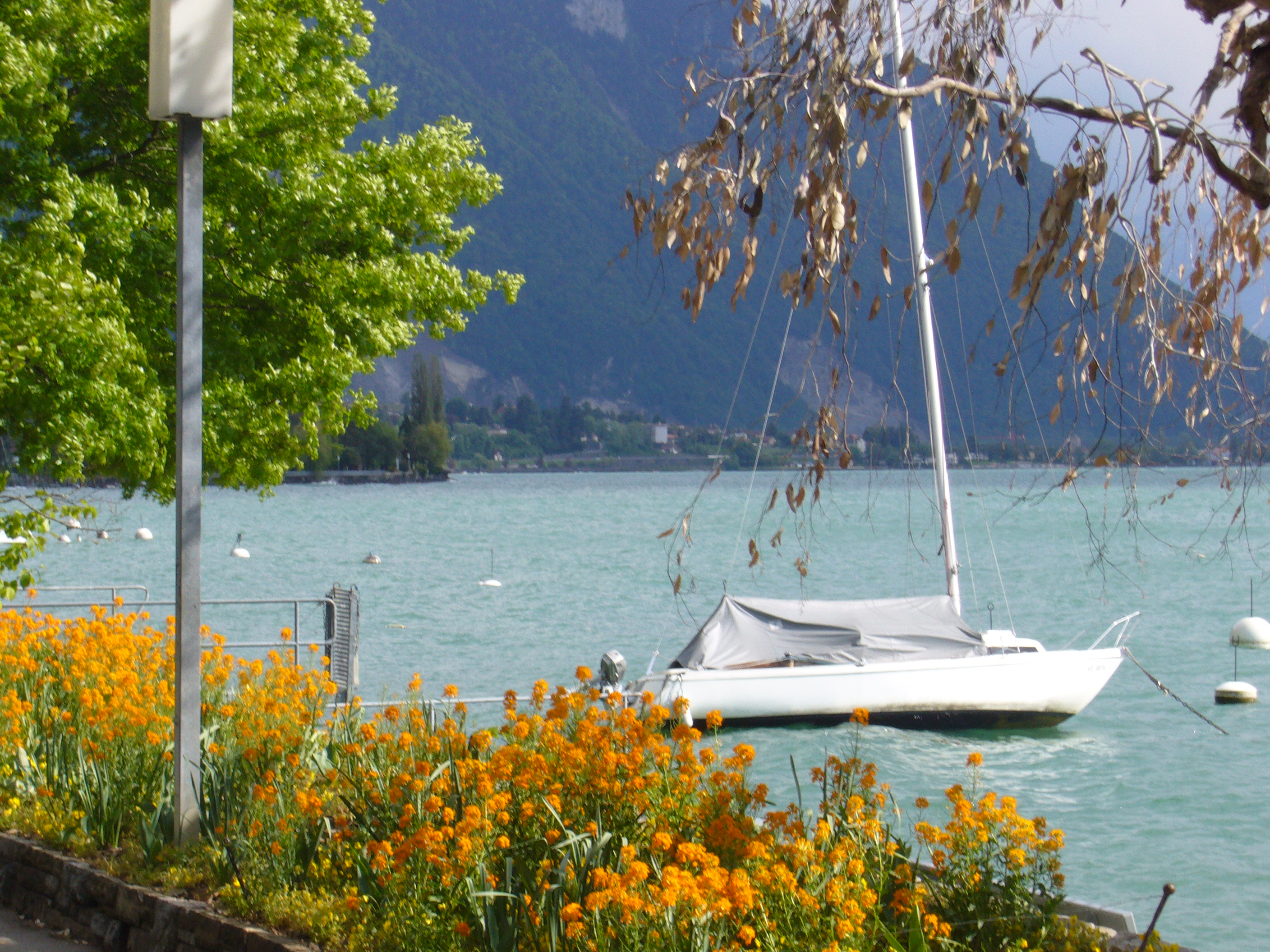
I didn’t pick the best of days for my trip to Montreux, located on lake Geneva in Switzerland. Still, I’m sure you can see why it’s worth a trip even when the Jazz Festival isn’t on.

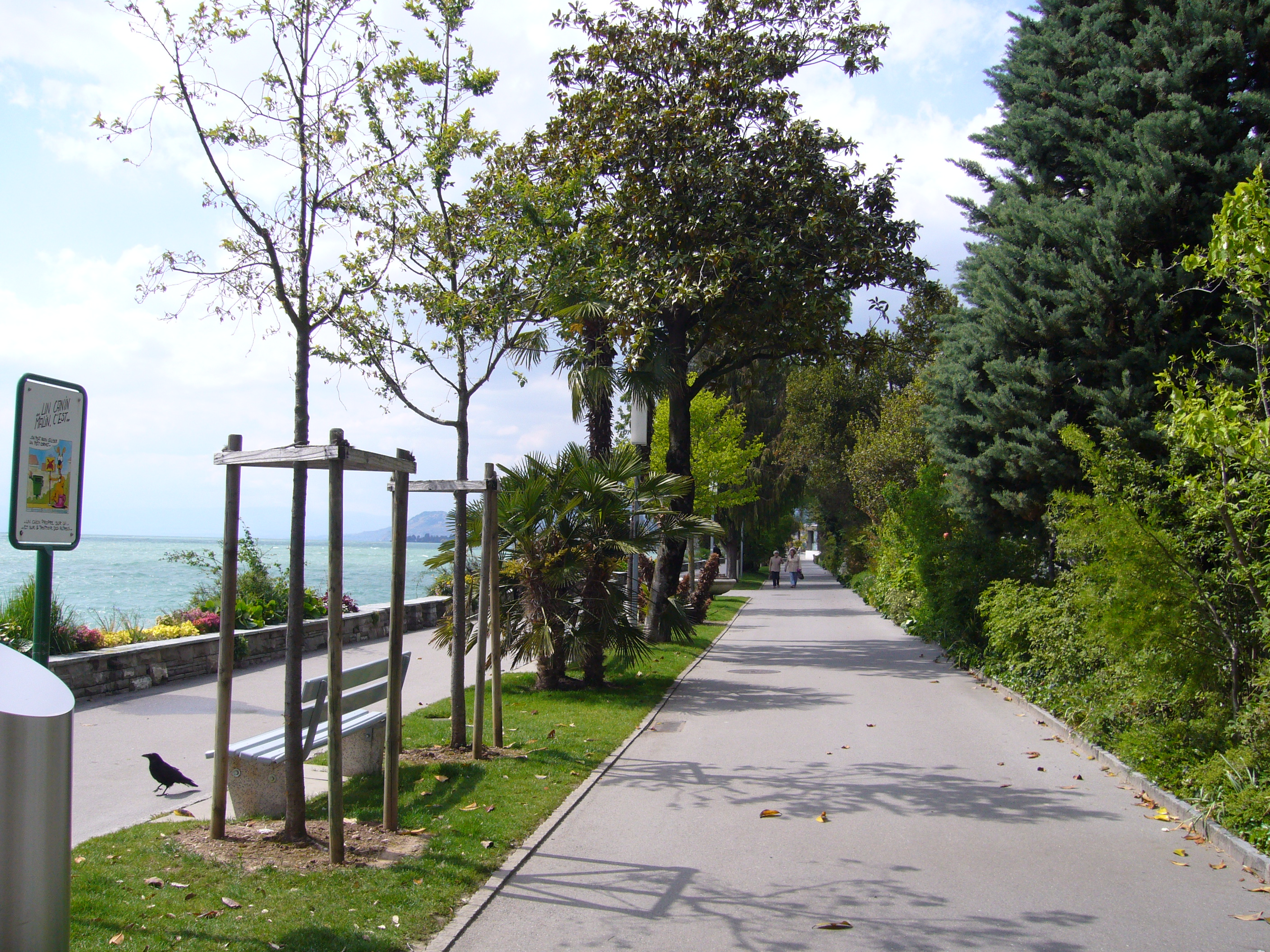
Montreux’s promenade along the lake is very famous. It is lush and green, with palm trees, Bougainvillea, Oleander and Rhododendron. At the same time you see snow-covered mountains in the background.

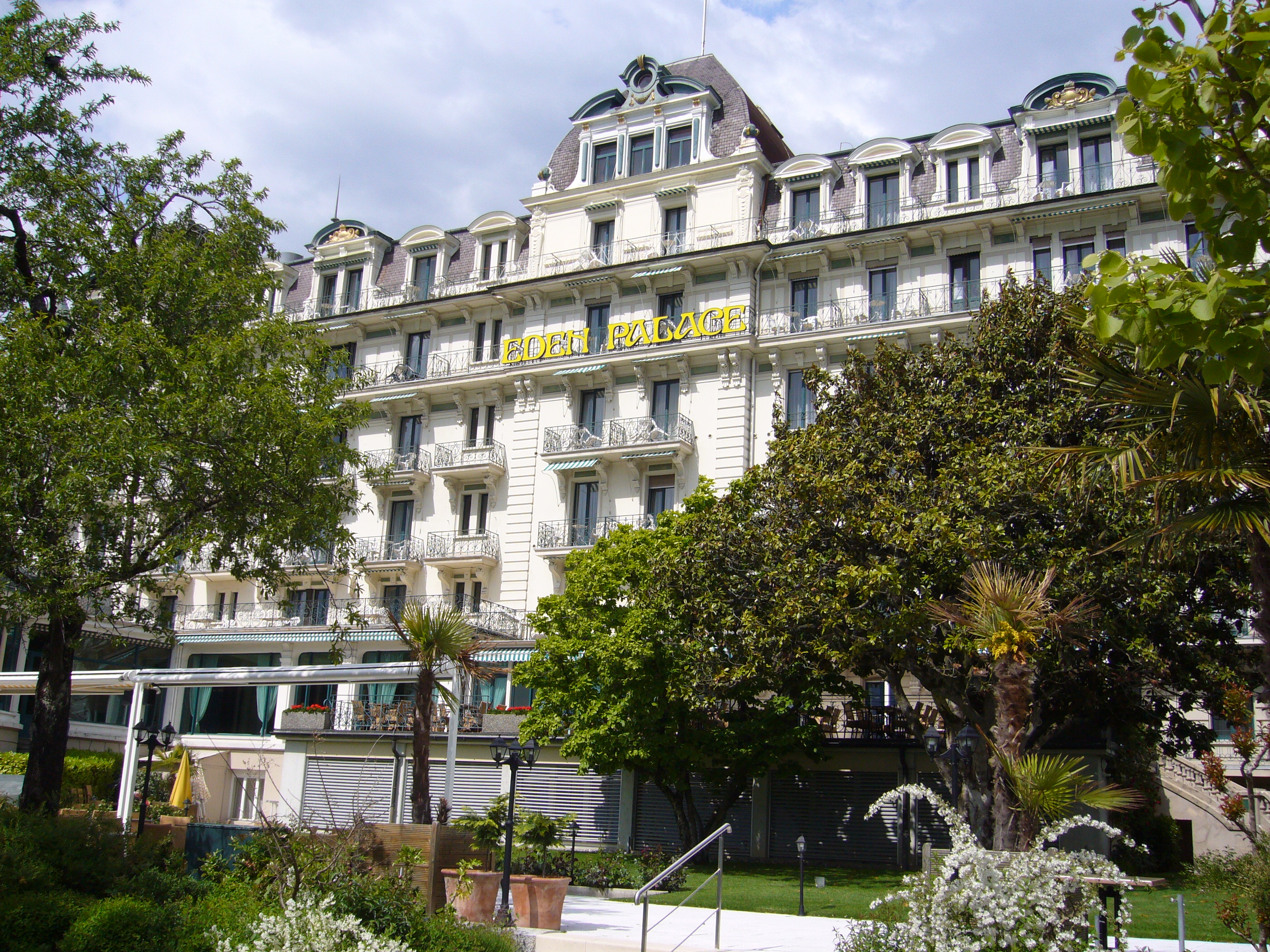
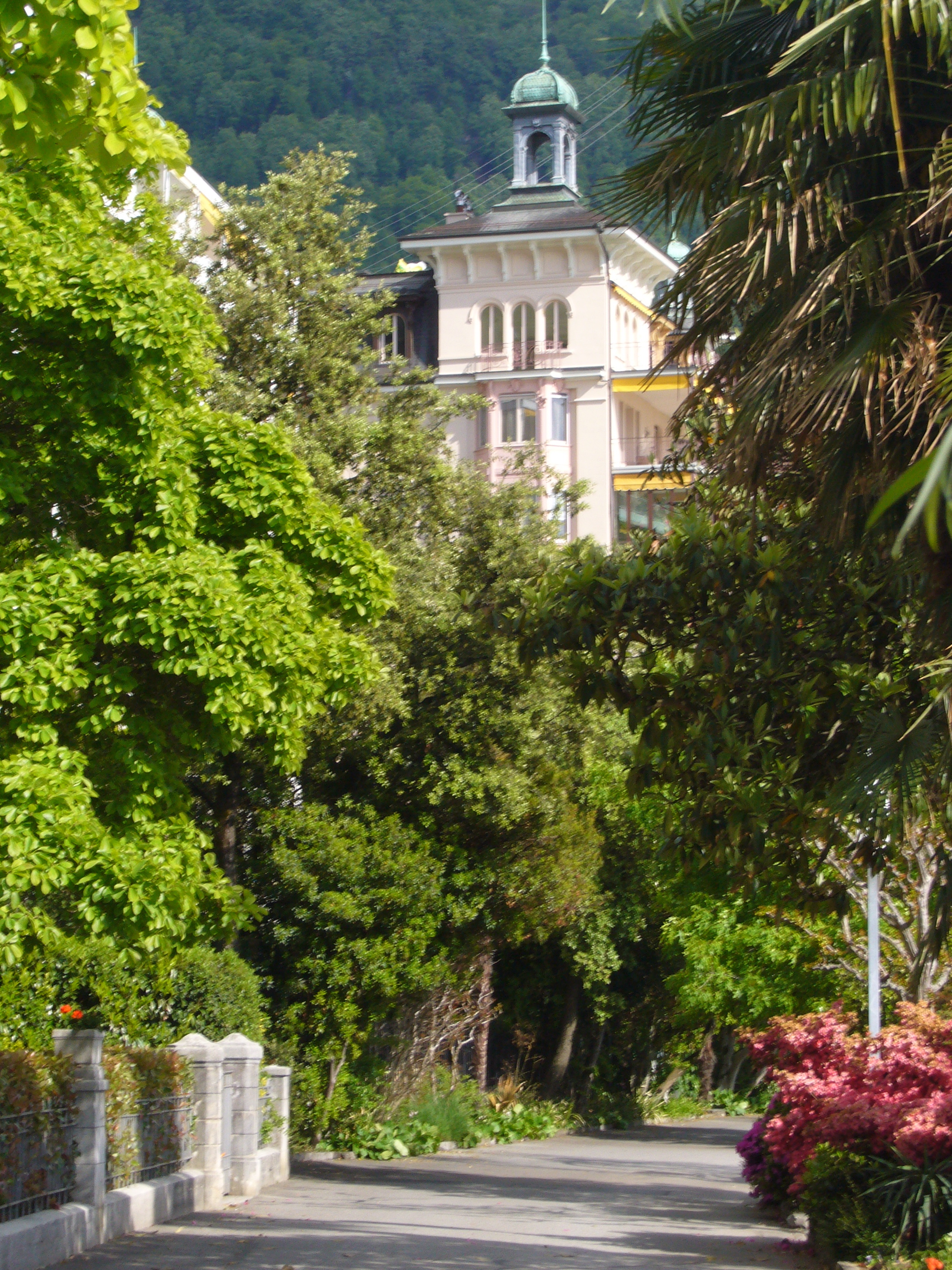
Many of the big houses bordering the promenade are fin de siècle buildings and house hotels and spa’s. All these hotels have what I call a “sanatorium style”, like the hotel in Thomas Mann’s Magic Mountain.

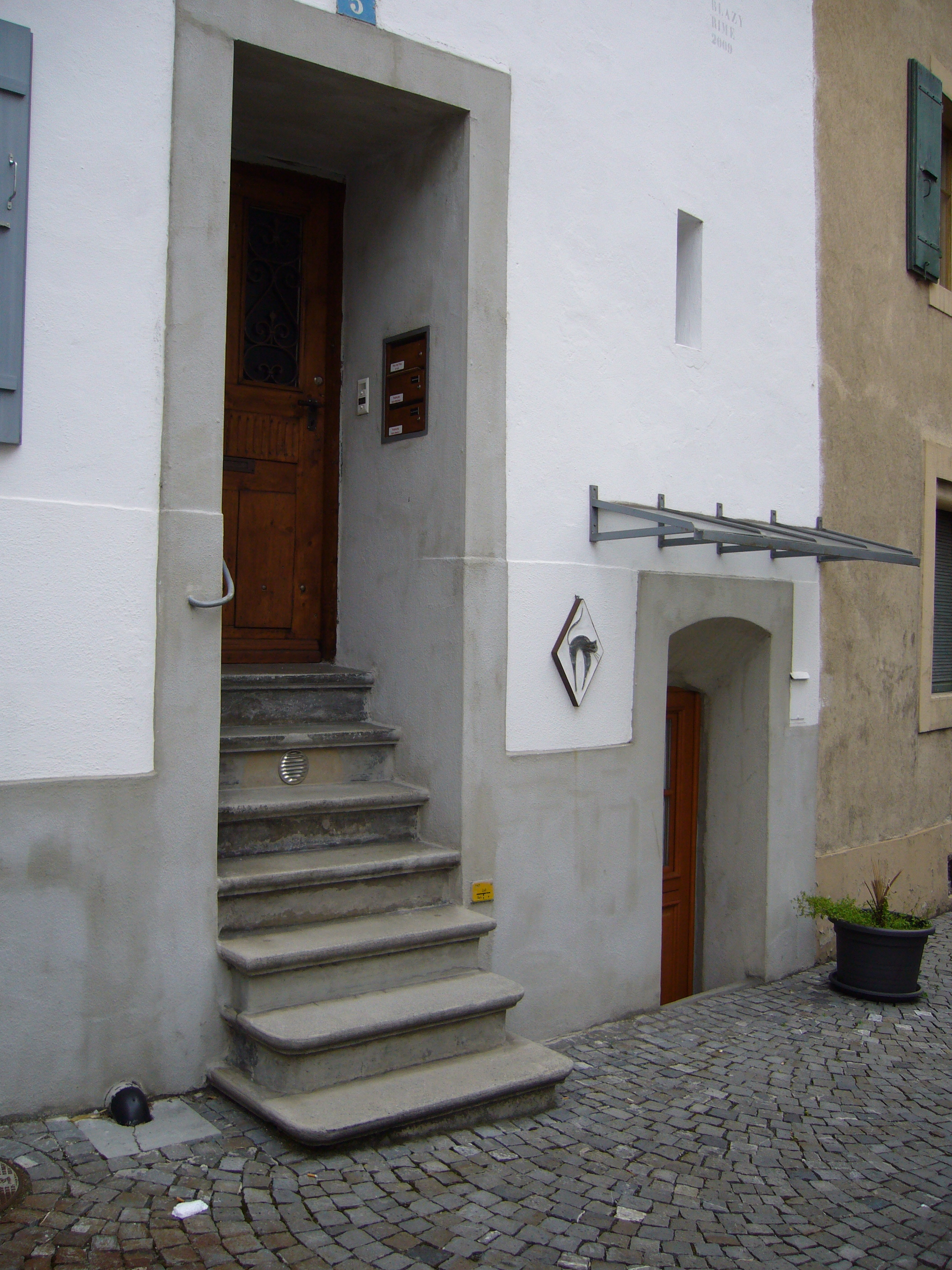
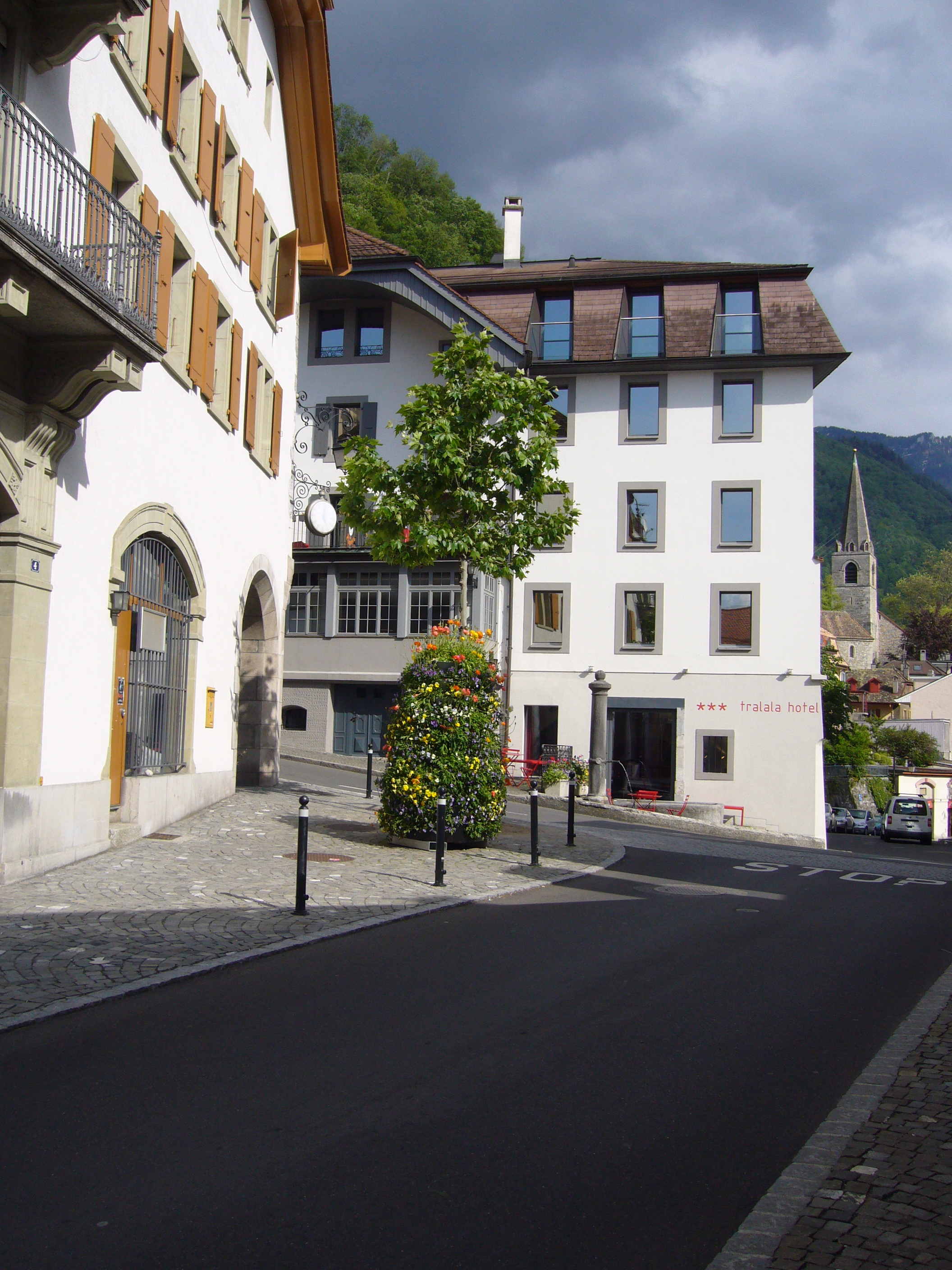
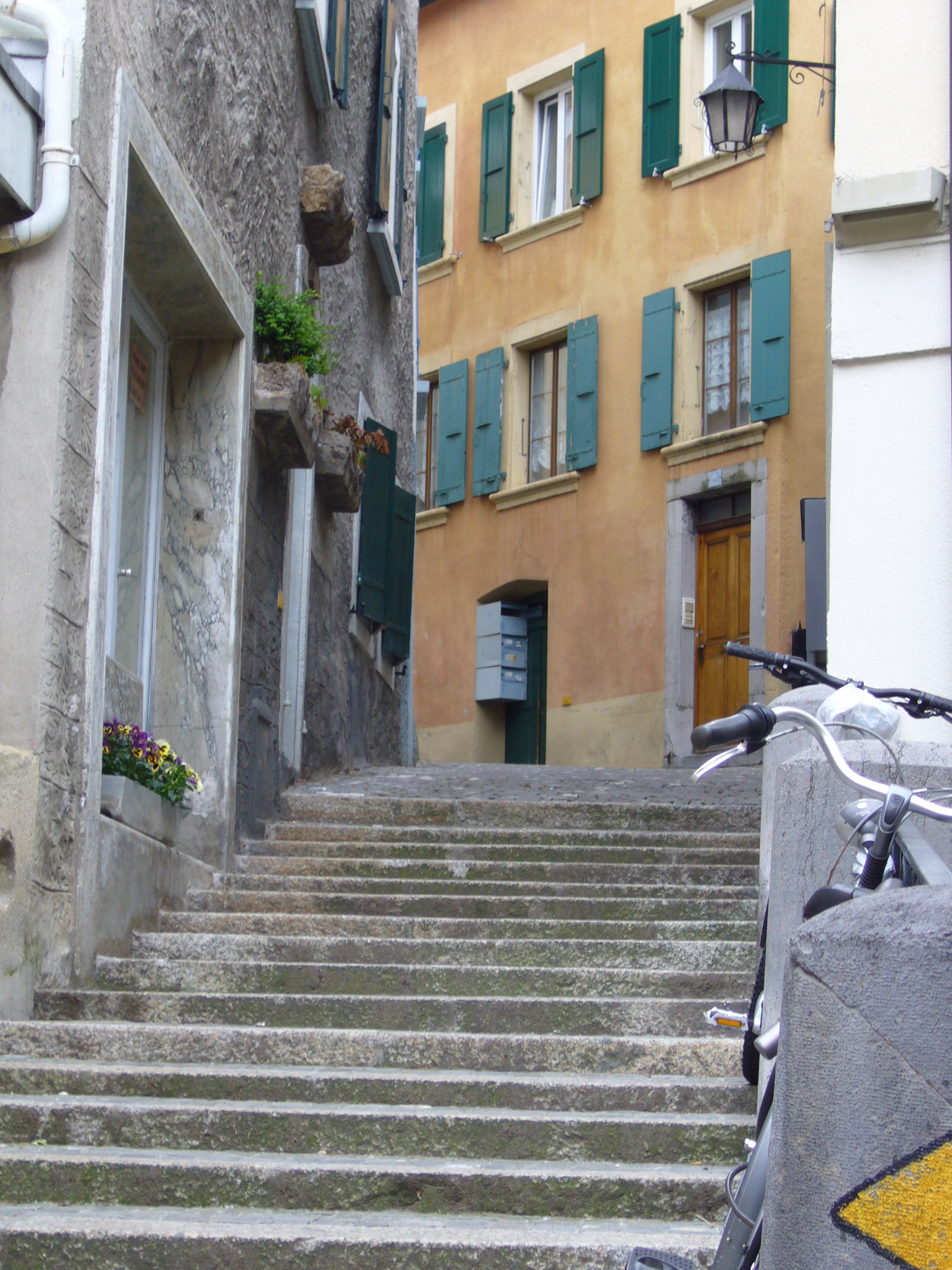
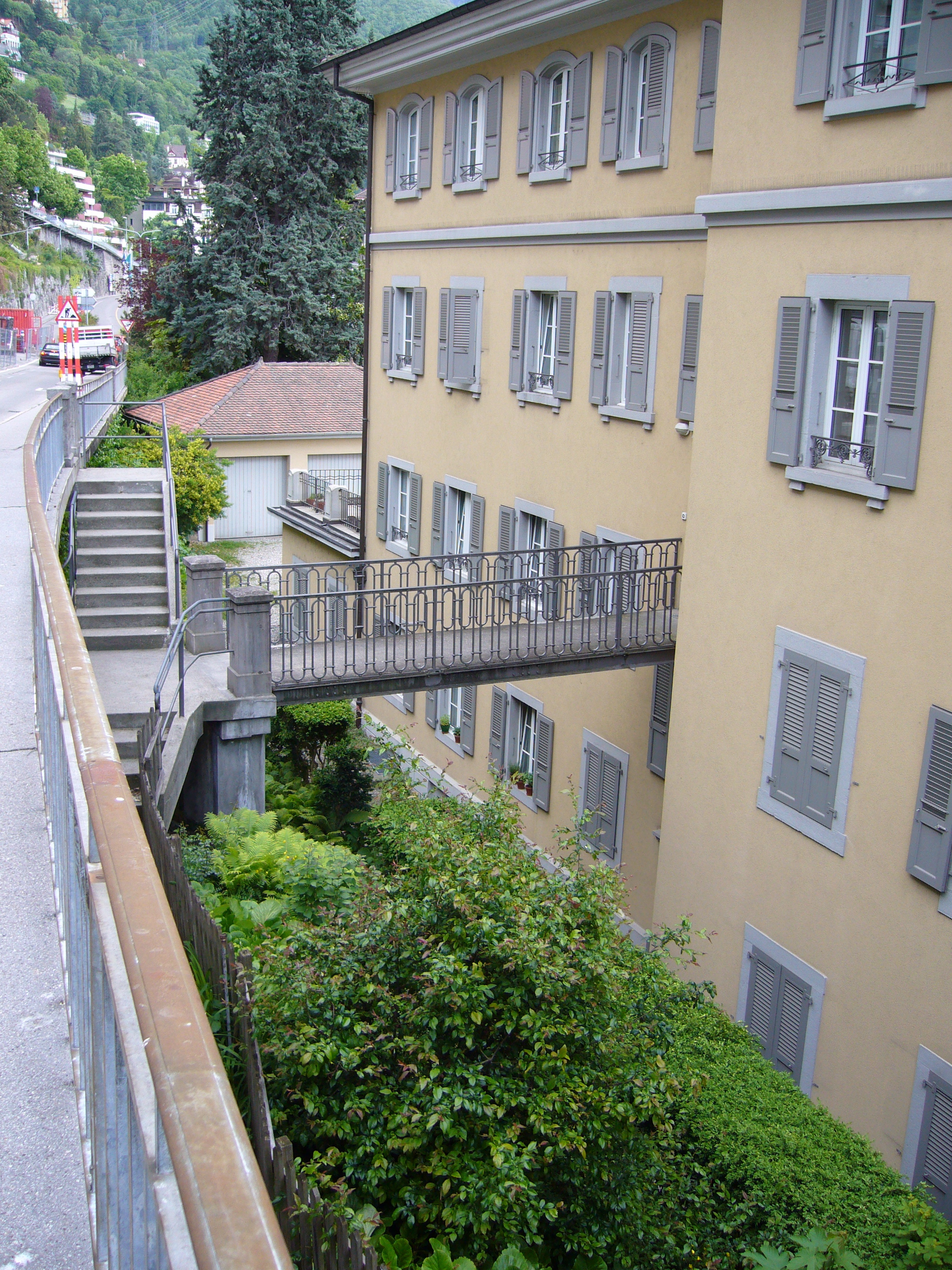
Most people do not know that the old part of the city is high up on the hill. Quite a steep walk but definitely worth it.

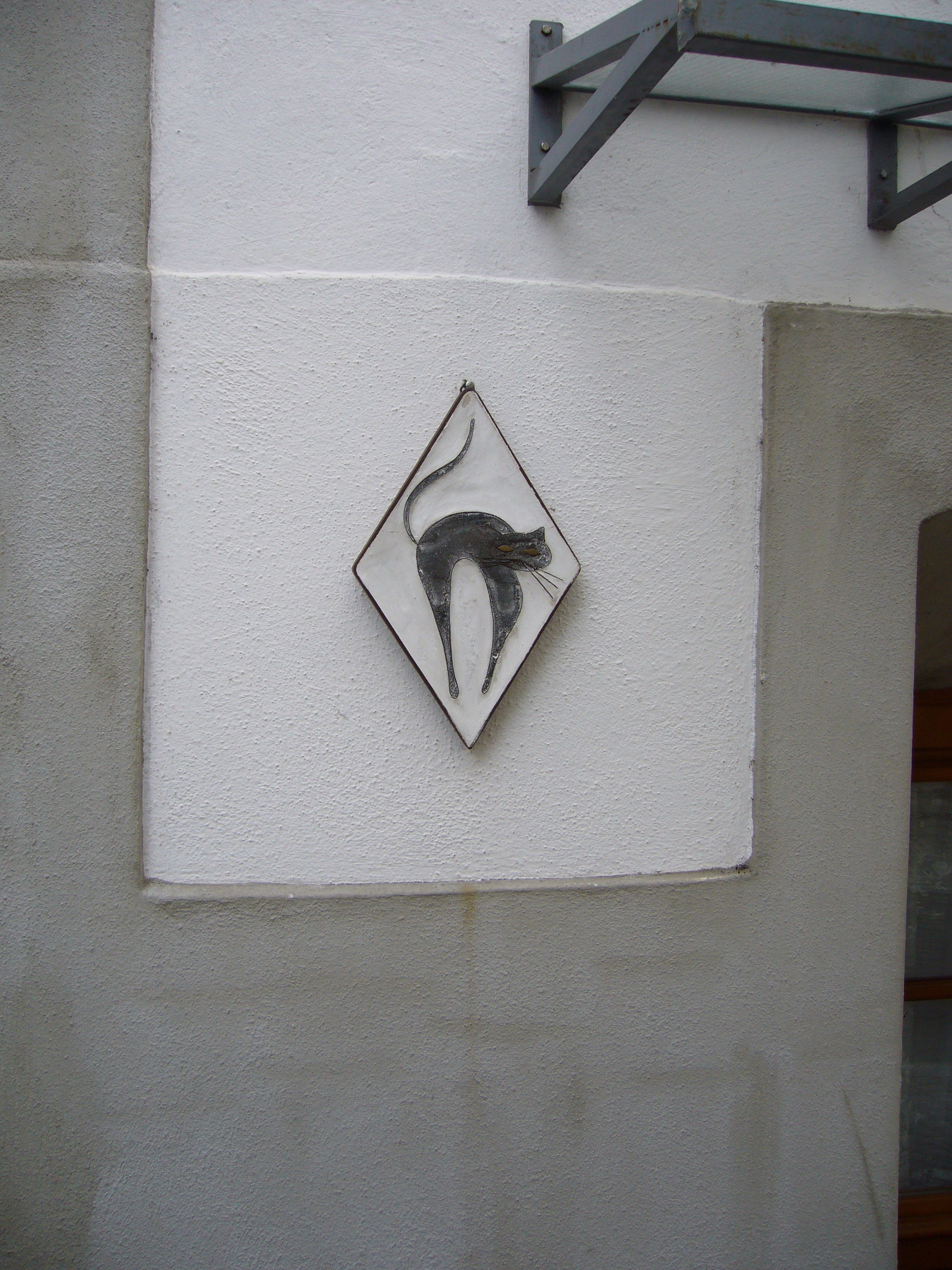
Yes, I liked this sign on the house quite a bit.

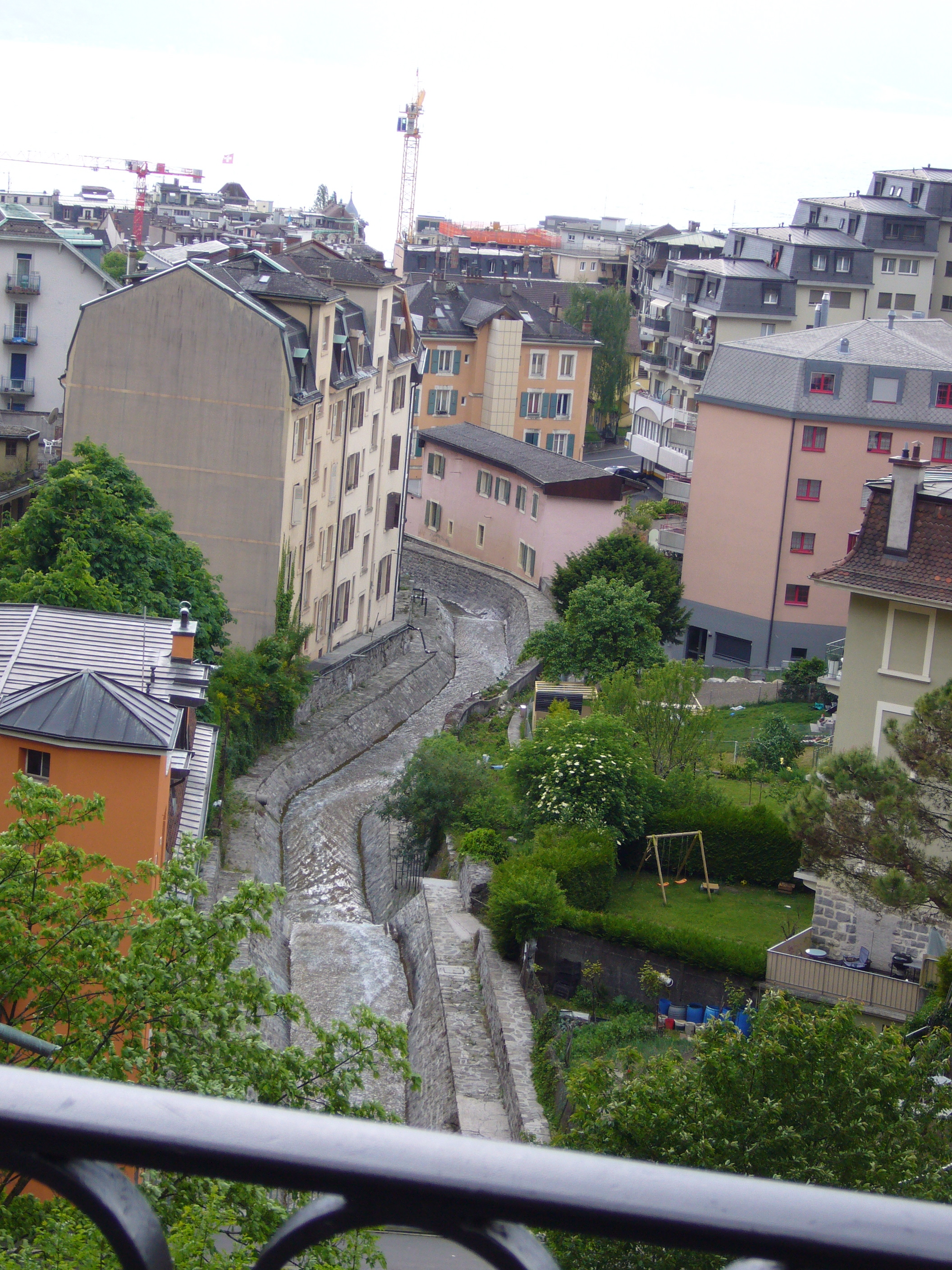
You can see many picturesque buildings, small alleys, and a breathtaking view into the gorge and of the lake in the distance.

The steep gorge is in the middle of the old town, cutting right into it.  An icy cold mountain brook rushes down to the lake.

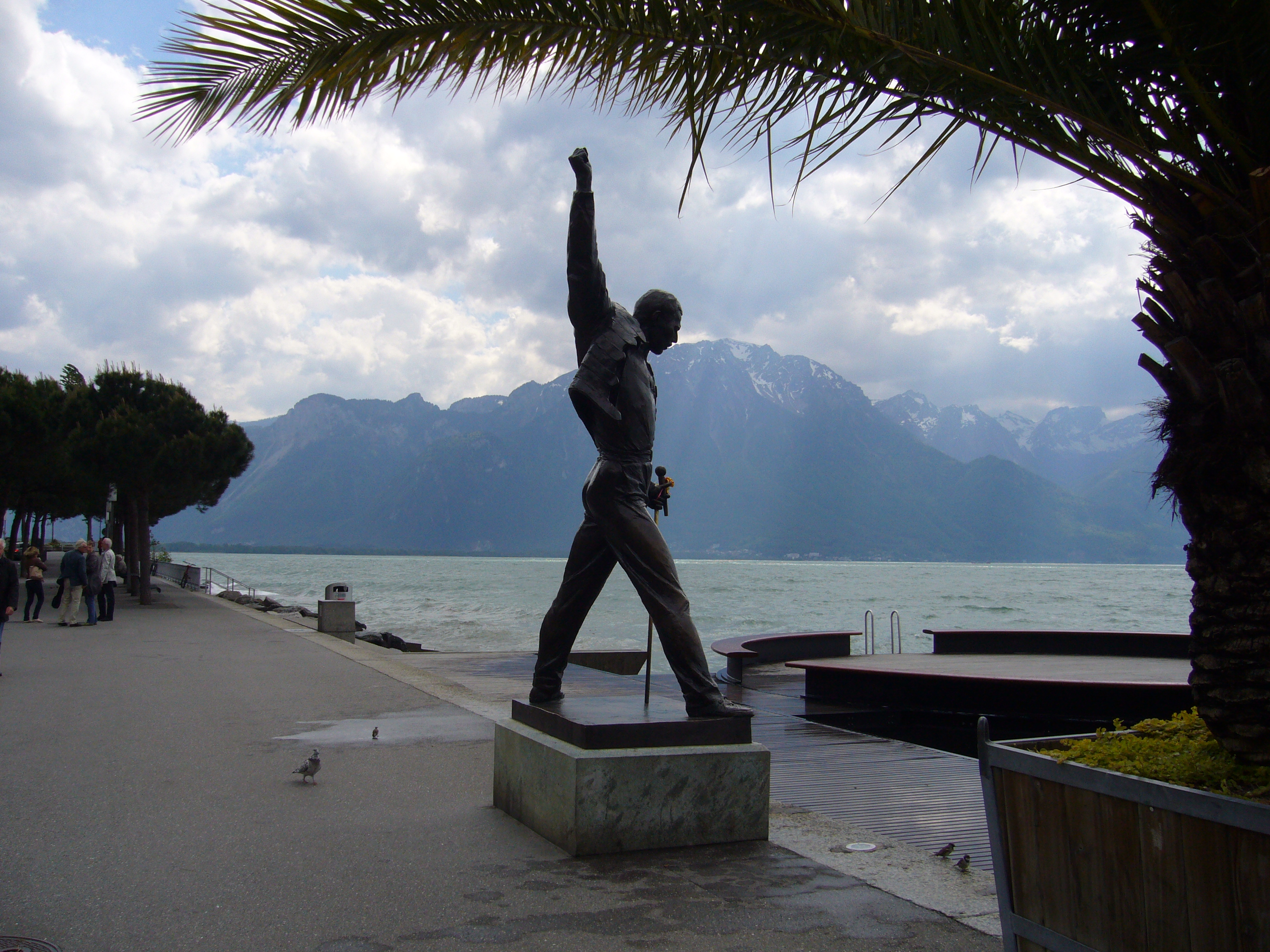
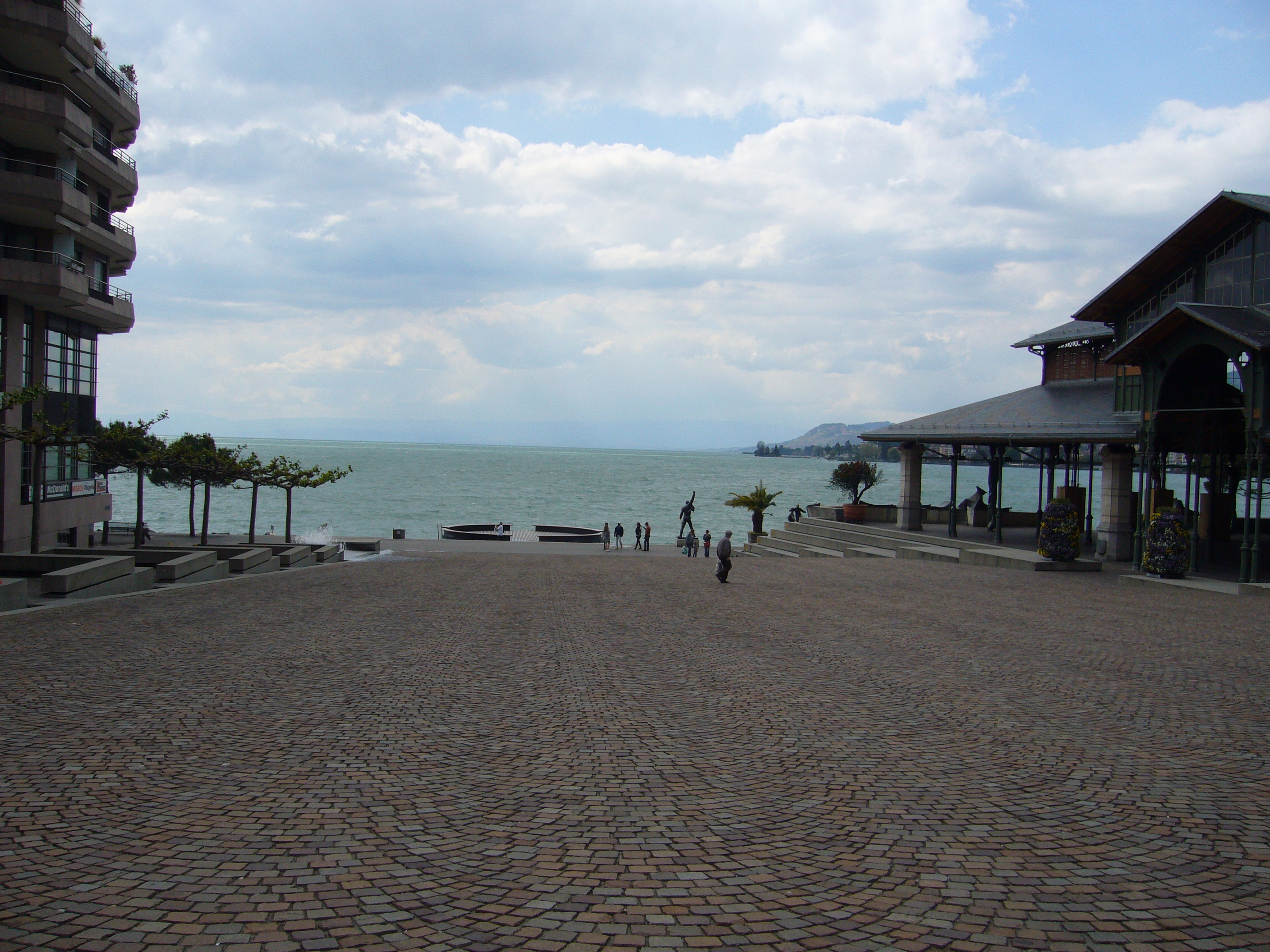
This statue of Freddy Mercury is located close to the Montreux market hall. It’s very lifelike. He used to live in Montreux and performed with the Queen several times at the festival. On his memorial day there is quite a lot going on every year.

Too bad that it was so cold and windy. When it’s sunny it’s nice to sit outside and have a drink.

While this isn’t a town I would like to live in, it’s too picturesque, too perfect – if you know what I mean – I still love to visit.

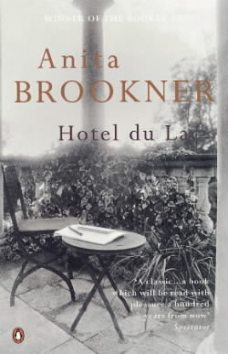
I felt like visiting Montreux after having watched Hotel du Lac which is set on lake Geneva. The movie is based on Anita Brookner’s eponymous novel. I have never read an Anita Brookner novel so far and would love to start with Hotel du Lac.

Do you have any Anita Brookner suggestions?

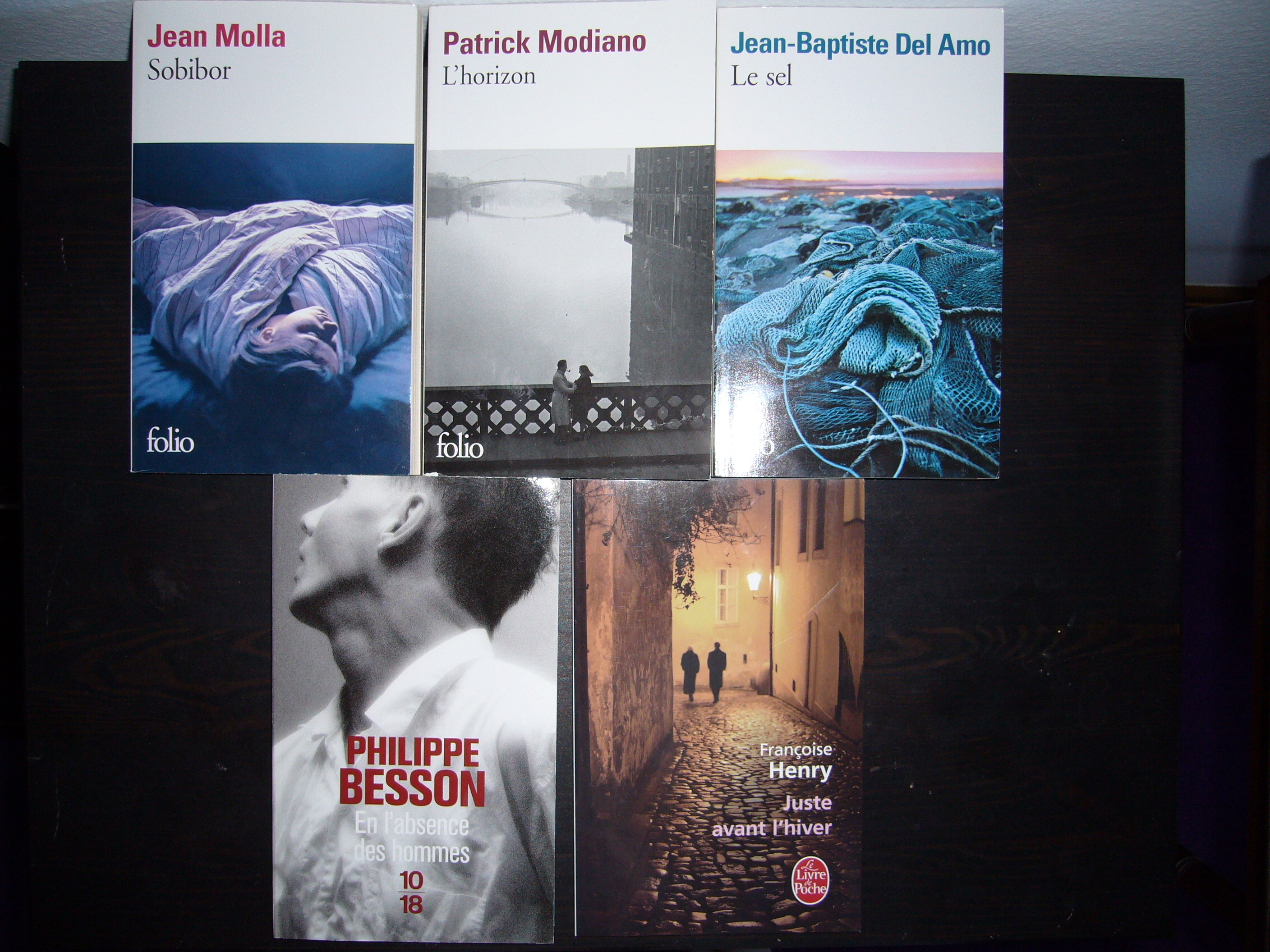
And since I was in the French-speaking part of Switzerland I bought a few books. Not all that many though. I’m very interested in Le sel by Jean-Baptiste Del Almo as he is compared to Virginia Woolf. Jean Molla’s Sobibor and Besson’s En l’absence des hommes – In the Absence of Men are the only ones which have been translated. Emma just reviewed Besson’s novel here. Sobibor is a novel in which an anorexic girl tries to find out what horrors lie hidden behind the word “Sobibor” which her Polish grandmother uttered just before her death.

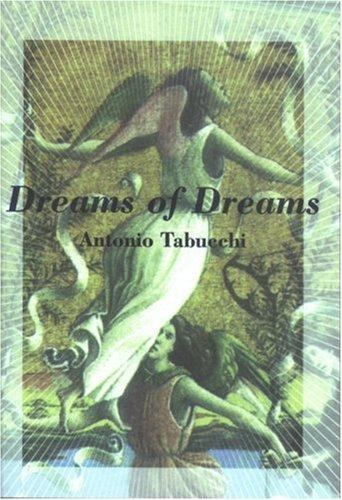
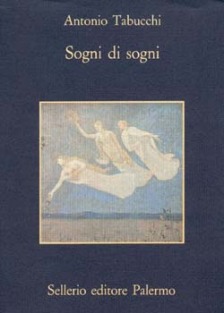
Antonio Tabucchi: Sogni di sogni – Dreams of Dreams (1992)

Elaborately imagined…mini-catalog of great artists’ dreams and the author’s interpretation of the last three days in the life of Portuguese poet Fernando Pessoa. Tabucchi’s rich language and his magical-realist charm tinge the volume with a visionary glow.

Antonio Tabucchi’s Sogni di sogni or Dreams of Dreams is a collection of sketches or short pieces, circling around the life and work of different authors, painters, musicians and other famous people. Arranged in chronological order they all tell of an imaginary dream of the person to whom the story is dedicated. At the end of the book, a short biography of each of the men gives some of the most important details about their life.

While this may not be an ideal starting point for someone who isn’t familiar with Tabucchi, it’s an amazing introduction into the Western European cultural heritage. It’s an amazing little book. To be able to write something that is equally enchanting, inspiring and instructive, is admirable. On the other hand it shows what a wonderful writer Tabucchi was. The short sketches are written in a beautiful and highly evocative prose that reminded me of the intensity of elaborate and sumptuous Persian miniatures.

If you are familiar with the men included in the book, it will enhance the experience but it’s not necessary.

To give you an idea of what Tabucchi does in this book, I’ll pick the example of Ovid. In his dream, Ovid sees himself not only loved by his emperor but transformed into a giant butterfly. Only when he stands in front of the emperor and should perform one of his poems, all that comes from his mouth is a high-pitched whistling sound. He tries to move his wings instead and perform his poem like a pantomime but this infuriates the emperor. Angered he has Ovid’s wings cut off. When they fall to the ground, Ovid knows he will die.

Hidden behind this sketch is an allusion to Ovid’s most famous work, the Metamorphoses and the whole tragic life story of one of the greatest poets of all times, who spent his last years disgraced and banned from Rome, in Tomis, on the Black Sea.

Here is the list of all of the people included in the book:

Daedalus
Ovid
Lucius Apuleius
Cecco Angiolieri
François Villon
François Rabelais
Caravaggio
Francisco Goya
Samuel T. Coleridge
Giacomo Leopardi
Carlo Collodi
R. L. Stevenson
Arthur Rimbaud
Anton Chekhov
Claude Debussy
Henri de Toulouse-Lautrec
Fernando Pessoa
Vladimir Mayakovsky
Frederico Garcia Lorca
Sigmund Freud

Sogni di sogni is highly imaginative and one of those books that opens doors. It will make you want to explore the people and works behind each chapter. It certainly made me want to read more of Tabucchi, one of the most amazing and creative Italian writers who sadly died earlier this year.

It’s often difficult to find Italian books in translation but Tabucchi is one of the rare authors who has been extensively translated. Some of the newest books are not out in English yet but most of his earlier ones are.

Have you read Tabucchi? Would you be interested in a Tabucchi week?

Andrei Gelasimov: Thirst – Žažda (2003)

Masterfully translated from the original Russian by award-winning translator Marian Schwartz, Thirst tells the story of 20-year-old Chechen War veteran Kostya. Maimed beyond recognition by a tank explosion, he spends weeks on end locked inside his apartment, his sole companions the vodka bottles spilling from the refrigerator. But soon Kostya’s comfortable if dysfunctional cocoon is torn open when he receives a visit from his army buddies who are mobilized to locate a missing comrade. Through this search for his missing friend, Kostya is able to find himself.

I owe the discovery of  Thirst by Andrei Gelasimov to literalab, my go-to blog for Central and Eastern European literature (if you don’t know it, you need to have a look). While French and German publishers are usually much faster in discovering foreign language authors this time they are lagging behind big time. That’s probably a reason why I had never heard of Gelasimov before, although Thirst isn’t his only book, not even his first. When I saw the review I realized that I havent read any contemporary Russian literature. One more reason for reading Gelasimov.

Thirst is a taut, short novel about a young veteran of the Chechen war. He was trapped in a vehicle and almost left for dead, burned beyond recognition. So badly in fact that he looks like a monster. There is nothing to escape this truth. He is confronted with it while still in the hospital wearing bandages. Maybe it is typical for Russians, I’m not sure, but it’s typical for the people in this story, they tell the truth in such a direct way, it’s like a shot in the gut.

“So what about you?” he asked me. “Do you have a girl back home?”

I said I didn’t.

“That’s good. Other wise she’ll leave you. Have you seen what you’ve got under the bandages?”

“No. There is no mirror in the bandaging room.”

I was lying. There was a mirror in the bandaging room. For the nurses. In a military hospital where it’s all guys lying there, girls have to keep up with those things. “L’Oréal Paris. After all, I’m worth it”. Who knows where you’re going to meet your destiny? Though we weren’t much to write home about. If you really tried, you might make one normal guy out of three of us.

The novel which is told by the first person narrator Kostya, is told in small episodic chapters that move back and forth in time. At the beginning of the novel Kostya fills his refrigerator with Vodka bottles. Drinking Vodka, watching TV and scaring children is all he does at present.

Kostya’s life before joining the army was the typical life of a young boy, coming from a poor family. The father left the mother when Kostya was just a little child, he cannot stand his step father and school is a drag. One of his teachers discovers that he has a rare talent. Kostya is amazing at drawing. While his teacher downs one Vodka bottle after the other, young Kostya spends his time with him instead of going to school and develops his rare gift. After the teacher is fired, Kostya starts to drift, joins up, gets trapped in the APC and is maimed. He still occasionally meets his three army buddies who were with him that day. Seryoga, who got out and saved them; Pashka and Genka, trapped with him but saved earlier because they still moved.

While Kostya is on a binge, Pashka and Genka appear and want him to follow them to Moscow and look for Seryoga who has disappeared.

If I hadn’t had the chance to meet quite a lot of Russians in my life, I might have thought this constant Vodka drinking was a cliché. Well, it’s not. And it’s very hard to say “no” because, drinking is a sociable thing. You’re only considered to be an alcoholic when you start drinking on your own. Saying “no” to a glass of vodka in public makes you look unsociable and unfriendly. Very often a glass is accompanied with a toast, mostly to some dead relative. That’s where it gets tricky. Saying “no” to the Vodka is saying “no” to the toast is not acknowledging people’s dead relatives…

There is a lot of drinking going on in this novel, a lot of pain gets swallowed down with the Vodka. The society depicted here is very patriarchal, with very strictly defined roles for men and women. Little Kostya remembers how he was told not to cry as a little boy when he had to have his appendix removed.

“What’s this, are you going to cry now?” The voice under the surgical mask was different now. “You’re our future soldiers. Soldiers don’t cry. Do you like to watch war movies? What? Speak up. Why are you whispering?”

I repeated , “I like them.”

“There you go. And you know how soldiers sometimes get hurt? But they don’t cry. They have to be brave. Will you be brave when ou go to war?”

The war and becoming a soldier is mentioned all through the novel. Even during Kostya’s childhood it is clear, he will be a soldier once, like his father was and that he will fight in a war as well. His father fought in Afghanistan, he will fight in Chechnya.

The characters in this novel are very lonely, the way they treat each other is honest but brutal. A lot is left unspoken. Despite all this, the book isn’t only bleak. There is hope as more even than the novel of a veteran it’s the novel of an artist. Art transforms the way Kostya sees the world, it will eventually transform him as well.

What I liked a lot is Gelasimov’s writing and the voice. The cuts, the shifts, the breaks which reminded me sometimes of the nouveau roman without the experimental feel. Each and every episode is very well executed, highly expressive, realistic and to the point. They are like short sketches that capture the characters and say more about them than a lot of words. One of Gelasimovs novels, Gods of the Steppes won the 2009 Russian National Bestseller literary award. It will be available in English this September. I’m looking forward to reading it.

Do you have any modern Russian literature recommendations?

Jetta Carleton: Clair de Lune (2012)

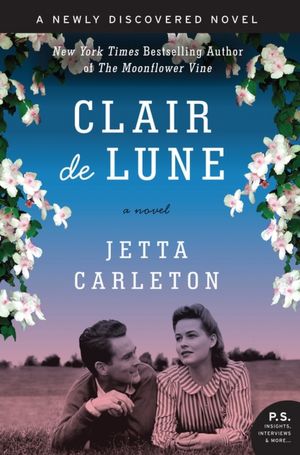
Clair de Lune is Jetta Carleton’s long-lost second novel which has just been rediscovered and published for the first time this year. I read Moonflower Vine, her highly acclaimed first book, after I had seen it mentioned on Jane Smiley’s list of 100 best novels. Moonflower Vine was one of my favourite reads that year and Clair de Lune will most certainly be on my Best of 2012. I’m really glad I discovered a review on Natalie’s blog Coffee and a Book Chick.

Written in the 60s but set in the 40s in a small town in Missouri, Clair de Lune tells the story of a young woman who is trying to find her way, of a unique friendship between three people and of America just before entering the war.

Allen Liles dreams of being a writer and going to New York. Her love of literature is immense but she also craves the life of a writer, sitting in cafés, discussing.  For the time being she has to be content with a job as a teacher in a college in Missouri. Her love of books and her unconventional mind let her go ways that haven’t been explored before and thanks to the understanding college head she is allowed to offer an extracurricular discussion group. Her plan is to introduce the students to modern writers who are not on the syllabus yet. The students who sign up are as enthusiastic as she is and it doesn’t take long until they start to meet after the classes as well. With her barely 24 years, Allen isn’t much older than her students and none of them gives a thought to the fact that she isn’t allowed to meet them outside of the classroom. Her innocence and the happiness to find people who think like her prevents that it even crosses her mind that there could be a problem. After a few weeks only George and Toby are left and the three young people go out together on a regular basis or spend the evenings at Allen’s flat where they eat something, listen to music and discuss books and Allen’s’ own writing. They introduce each other to new books and pieces of music, one of their favourites being Debussy’s Clair de Lune. When they are fed up with sitting at home, they go to the cinema together or just walk the streets and enjoy the spring evenings.

As the weeks go by, a shift takes place and slowly Allen is drawn to Toby. They meet without George and  their friendship turns into a love affair. In her naiveté Allen doesn’t realize that she is in danger and when rumors start to spread, they have to stop seeing each other. When she finally realizes that she has made a mistake, she lives intense weeks of anxiety and fear.

Before the rumours started to spread the war had already cast a shadow over their friendship. Allen’s reaction is equally naive when it comes to her view of the war in Europe. She is certain that America will never be drawn into it, that the war is something that is dark and destructive but that they are secure and sheltered. George shares her views more or less but Toby loses patience with her and thinks she is very wrong.

The book centers on a few main themes, literature and friendship are but two of them. Convention versus freedom are other themes which are explored. In choosing an independent life, Allen is ahead of her time and although she is in many ways a naive young woman, she possesses a very original mind and is free of prejudice. Another main topic is change. Clair de Lune pictures a vanishing world. The US before entering the war  are very different from the one after. The times are changing and with them the needs of the society which is mirrored in the way the college changes. While this is a college which offers a broad education with emphasis on the arts, the younger faculty members want to get rid of the head and turn the faculty into one in which courses in economy and other specializations which lead to a career are offered.

I absolutely loved this book. I tried to slow down while reading but it was pointless, I just rushed through the pages and when I turned the last one I was quite sad. It contains such a lot of intense scenes and the most uplifting ending since I’ve read Nada last year. Since the largest part of the book is set in spring, there are a lot of wonderful outdoor scenes in which the three friends walk in the streets, stand in the rain or just stroll through the fog. There is a breathlessness and joy of life in these pages that is exhilarating. It renders the enthusiasm of young people for whom everything is a discovery, be it literature, art, music, love or friendship. At the same time there is the anxiety about war and the knowledge that the freedom and carefreeness they experience is going to end.

Have you read Jetta Carelton?