German Literature Month Giveaway – Montaigne by Stefan Zweig

german-literature-month-vi


As promised, here’s the first of this year’s German Literature Month giveaway’s.

zweigs-montaigne

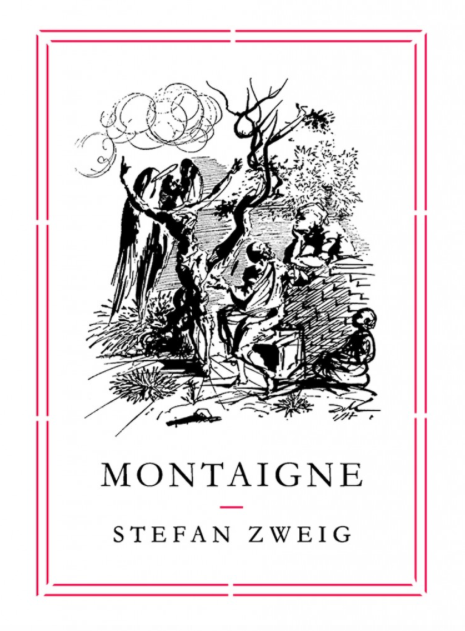
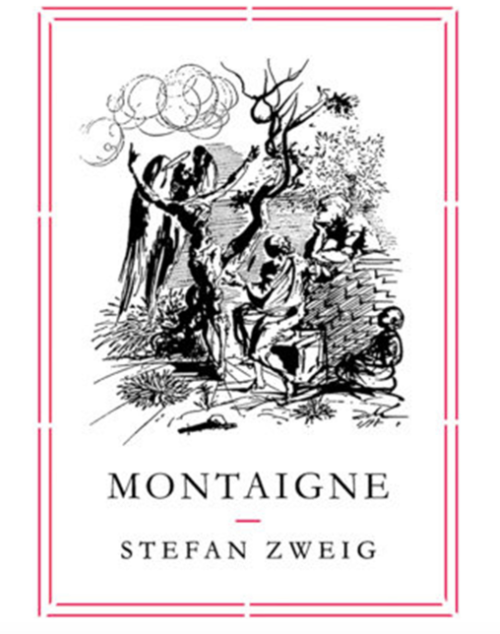
I’m giving away the Pushkin Press edition of Austrian author Stefan Zweig’s Montaigne. While Zweig has written short stories, novellas, and novels, he also wrote a great many essays and biographies. Montaigne isn’t his most famous but that doesn’t mean it’s not a very interesting book. The topic certainly is.

Here’s what the blurb has to say:

Stefan Zweig was already an émigré-driven from a Europe torn apart by brutality and totalitarianism-when he found, in a damp cellar, a copy of Michel de Montaigne’s Essais. Montaigne would become Zweig’s last great occupation, helping him make sense of his own life and his obsessions-with personal freedom, with the sanctity of the individual. Through his writings on suicide, he would also, finally, lead Zweig to his death.

With the intense psychological acuity and elegant prose so characteristic of Zweig’s fiction, this account of Montaigne’s life asks how we ought to think, and how to live. It is an intense and wonderful insight into both subject and biographer.

*******

If you would like to win a copy of Zweig’s Montaigne, please leave a comment. The only thing you have to do is to tell me why you’d like to win this book.

The giveaways is open internationally. I’ll announce the winners on Monday 7 November 17:00 – Western European time.

THIS GIVEAWAY IS NOW CLOSED

Welcome to German Literature Month

german-literature-month-vi

Finally it’s November. Those of you who follow my blog might have noticed I was a bit quiet in the last weeks. With good reason. I was busy reading German, Austrian, and Swiss literature.

As you know, Lizzy and I have decided to do a “Read as you please month” with only two themed weeks.

A crime week during week two, hosted by Lizzy.

All For Nothing

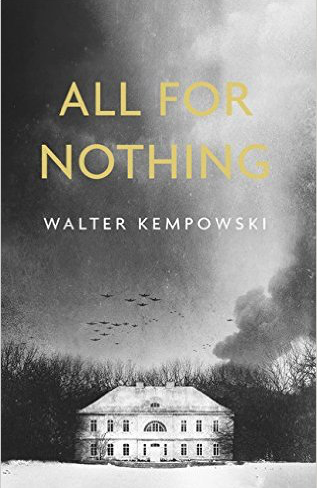
The Literature and War Readalong on November 25, in which we read and discuss Walter Kempowski’s WWII novel All For Nothing – Alles umsonst.

For those who are still looking for titles, here are the books I have already read and those I’m still planning to read.

Weit über das Land

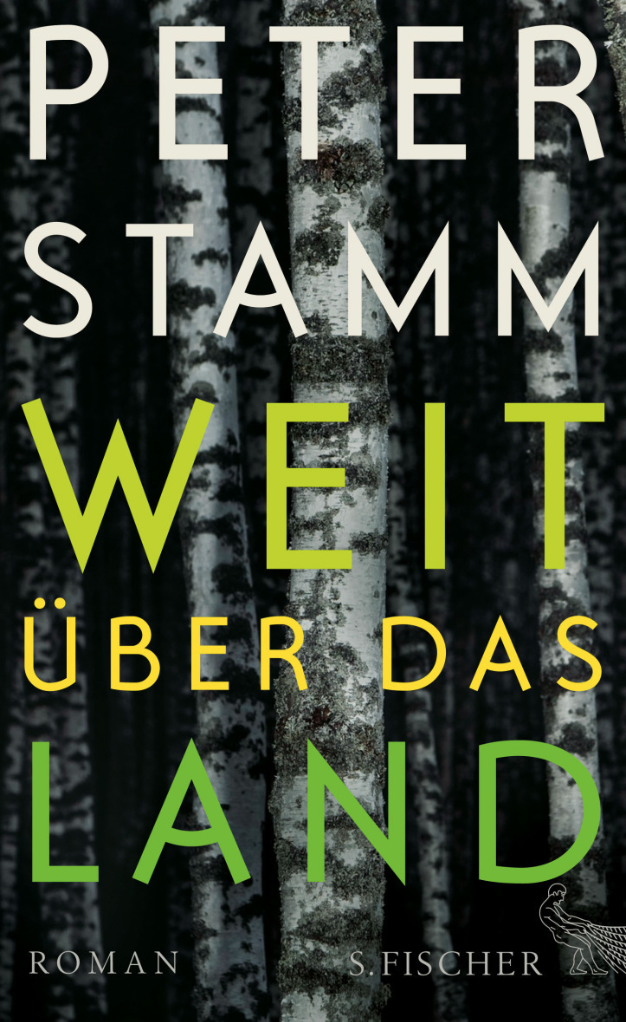
Peter Stamm’s latest novel. I must admit, I might not review it. It’s the worst book I’ve read this year. I can still not believe he wrote something like this.

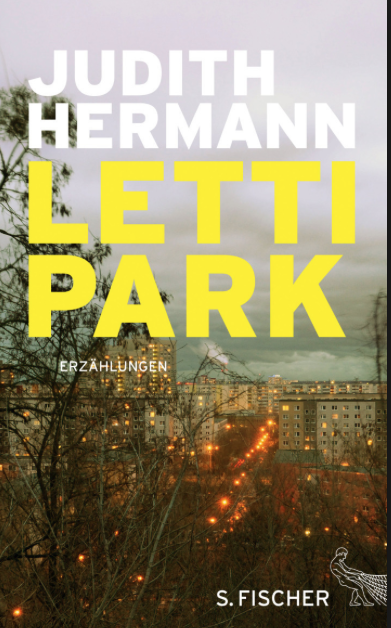
letti-park

Judith Hermann’s new short story collection Lettipark. I’ve not finished this yet but I can already see that it’s a mixed bag.

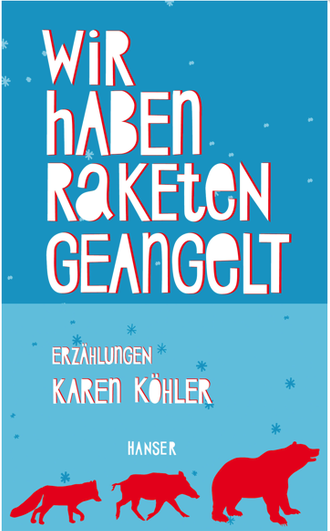
karen-kohler

Karen Köhler’s short story collection Wir haben Raketen geangelt.

I bought this collection a while ago but haven’t read it yet. When I was looking for reviews of Judith Hermann’s book I saw it mentioned a few times. Most critics came to the conclusion that readers would do better to read Köhler instead of Hermann. I’ll let you know what I think.

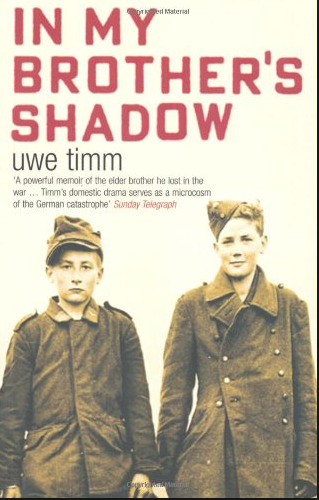
in-my-brothers-shadowam-beispiel-meines-bruders

I’ve only heard great things about Uwe Timm’s memoir In My Brother’s ShadowAm Beispiel meines Bruders. As far as I can tell, (I read the beginning), it’s amazing.

almost-like-springfast-ein-bisschen-fruhling

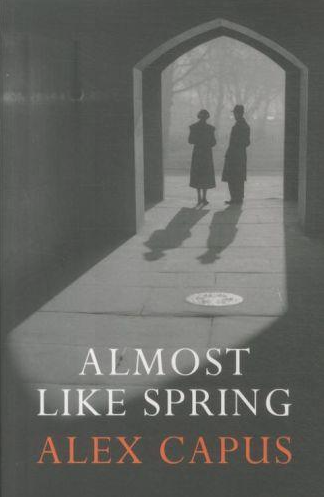
Almost Like SpringFast ein bisschen Frühling, is my first Alex Capus and if the rest is as good as the beginning, it won’t be my last.

fivefunf

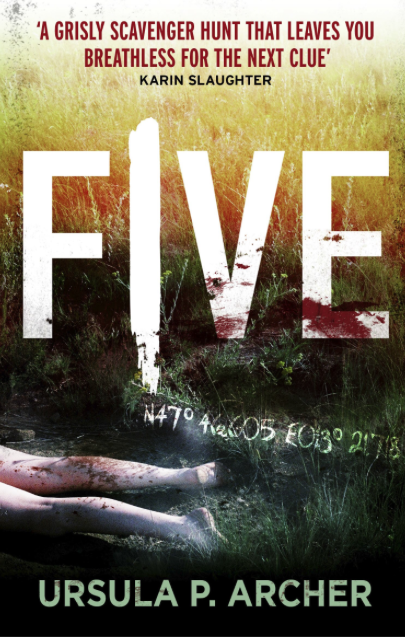
Last year I read Ursula Poznanski’s Erebos and was pretty much blown away. While I liked Five – Fünf a bit less, it’s still a really gripping book. You may have noticed that her adult crime novels are published under another name, Ursula P. Archer, in English. If you’re still looking for a page turner for crime week and are not too squeamish, you’ll enjoy this.

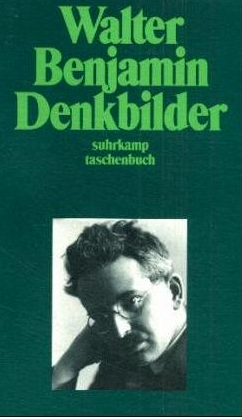
denkbilder

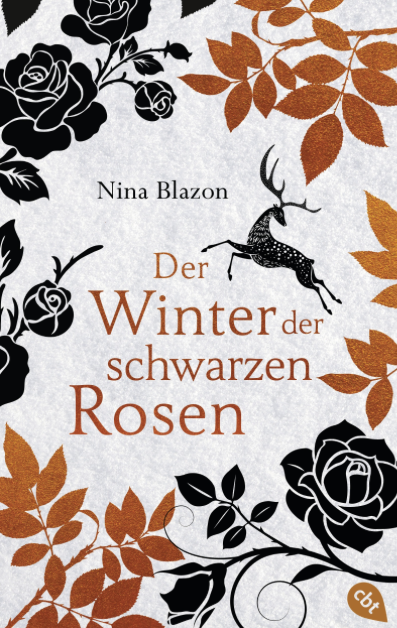
These are my plans so far. I might add some Walter Benjamin and one of the fantasy novels by Nina Blazon Der Winter der schwarzen Rosen (not translated yet).

der-winter-der-schwarzen-rosen

I hope you’re all busy making plans and wish you all a great month. I hope you’ll discover a lot of great books. Happy Reading!


*********

There will be a few giveaways.

Here’s a sneak peek.

montaignea-bell-for-ursli


*********

Please add your reviews to this site German Literature Month.

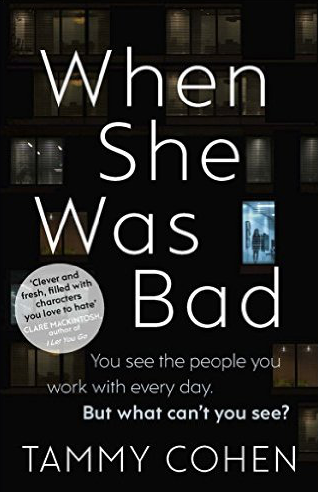
Tammy Cohen: When She Was Bad (2016)

when-she-was-bad

I’ve read many crime novels and thrillers this summer. Some of them still make me yawn. Luckily, Tammy Cohen’s novel When She Was Bad wasn’t one of them. On the contrary. I really enjoyed the story, the characters, and the structure. The book is told as a dual narrative, from eight different points of view. This could have resulted in a very disjointed story but it is rounded and convincing. Everyone who has ever worked in an office will recognize many things— petty jealousies, backstabbing, gossip, toxic bosses, ludicrous team building events, but also daily rituals, after-work drinks, and camaraderie.

If there hadn’t been the blurb on the book cover and the first chapter from the point of view of Anne, a character who is outside of the story, I wouldn’t have considered this to be a psychological thriller at first. That’s not a bad thing, because it is captivating nonetheless. It works just as well as a story about office politics as it works as a thriller.

But the initial chapter is there and tells us that something bad will happen. Anne, the narrator of that chapter, is a psychologist. When she was a young woman she worked with very troubled children. One of these children has committed a crime. She sees the now grown-up on TV and remembers. Her memories, which form the first narrative strand, explain why a horrific crime happened, while the second narrative strand, at the office, tells us the story of the crime.

At the beginning of the story set at the office, the former boss of a group of people has been sacked without forewarning. A new boss, Rachel, has taken over. Initially the group, consisting of six people, is brought closer together because of this. They feel like victims. Not only did they like their old boss, but they are afraid of possible changes and have heard that the new boss is toxic. As soon as Rachel arrives, the group dynamic changes as she’s one of those bosses who play their employees off against each other. But her toxicity doesn’t stop there. She poisons the atmosphere, is openly hostile and offensive, and makes everyone feel inadequate.

It was fascinating to read how the different members of the group experience her and where they stand in their personal lives. The characters are all so different and for each of them something else is at stake.

There’s plenty of conflict from the beginning of the novel and there’s the second narrative which explores a story of child abuse, but what made this really suspenseful is a series of things that happen that show there’s someone among the group who wants to harm people. So, with the exception of Anne, everyone, even the former boss, is a suspect of foul play and the reader is led to belive that each of them would be capable of doing something dreadful.

There was  a manipulative element that bugged me a bit, once I found out who was capable of committing a crime, but the book as a whole, especially as a story of office life, was so entertaining that I’m willing to forgive that. I would also happily read another of Tammy Cohen’s novels. Tammy Cohen has also written as Tamar Cohen and, next year, Transworld Books will publish a novel written under her pen name Rachel Rhys. When She Was Bad has just been optioned for TV.

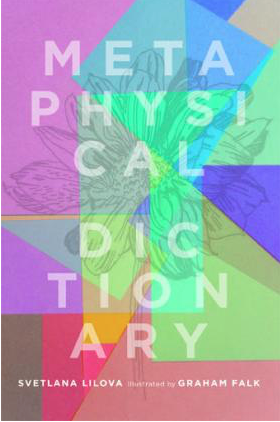
Svetlana Lilova: Metaphysical Dictionary (2016) A Collection of Poems with Illustrations by Graham Falk

metaphysical-dictionary

Some of you may remember that I participated in Thomas’ (MystwostotinkiBulgarian Literature Month in June. Right after the month was finished, I was offered a copy of Svetlana Lilova’s poetry collection Metaphysical Dictionary. Svetlana Lilova was born in Sofia, Bulgaria and emigrated to Canada as a teenager. Language is one of the major preoccupations of any expat or immigrant. So it’s not surprising that Lilova’s collection is inspired by this experience and written in the form of a dictionary.

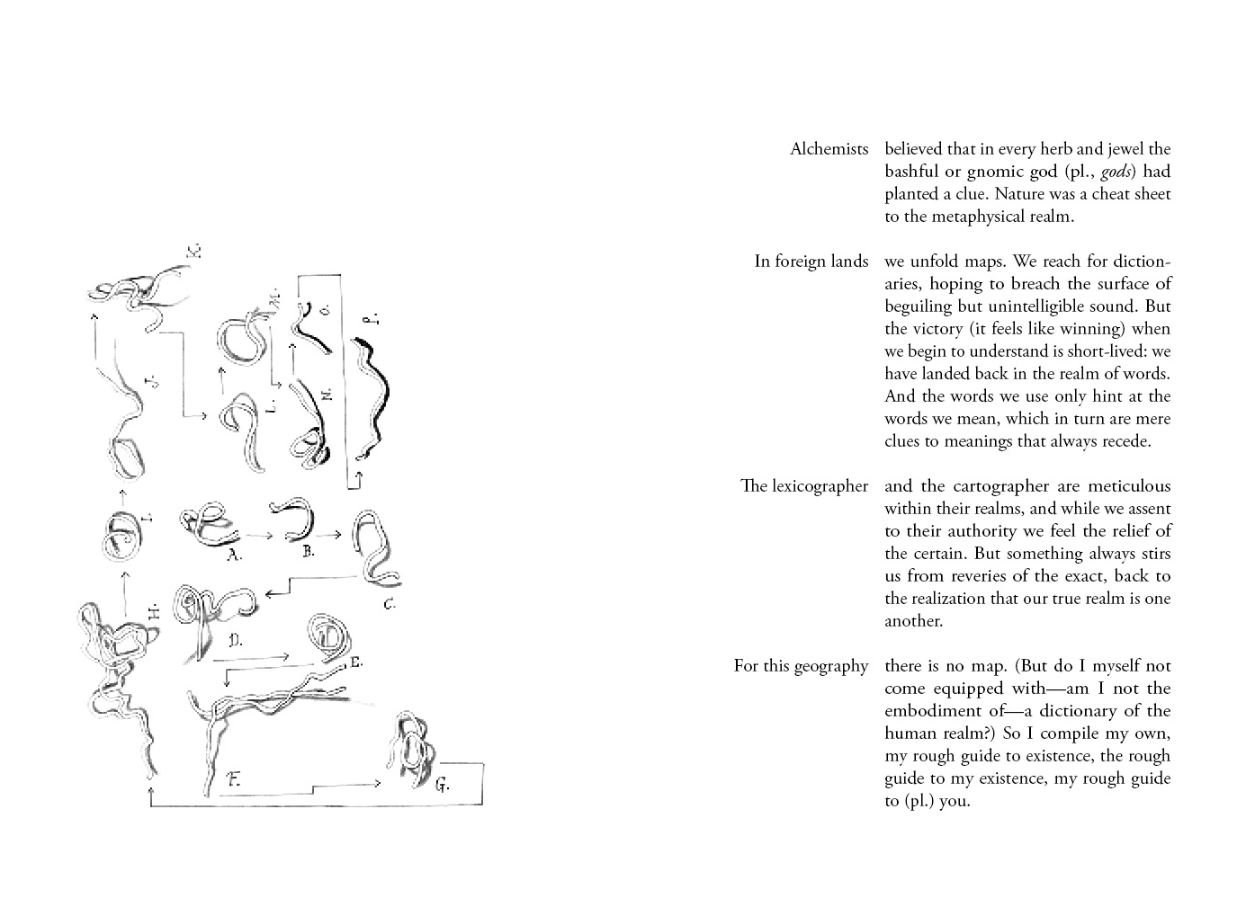
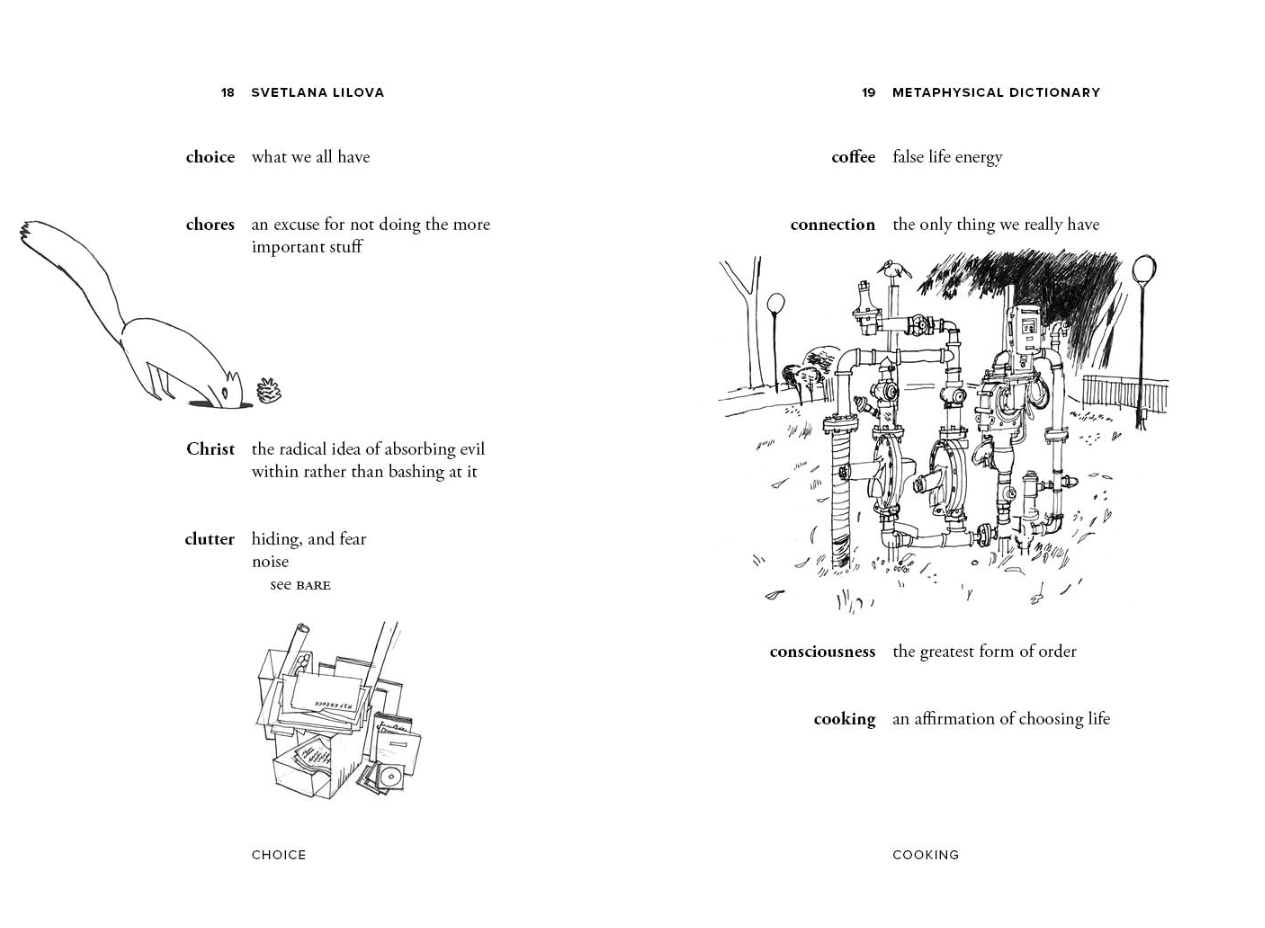
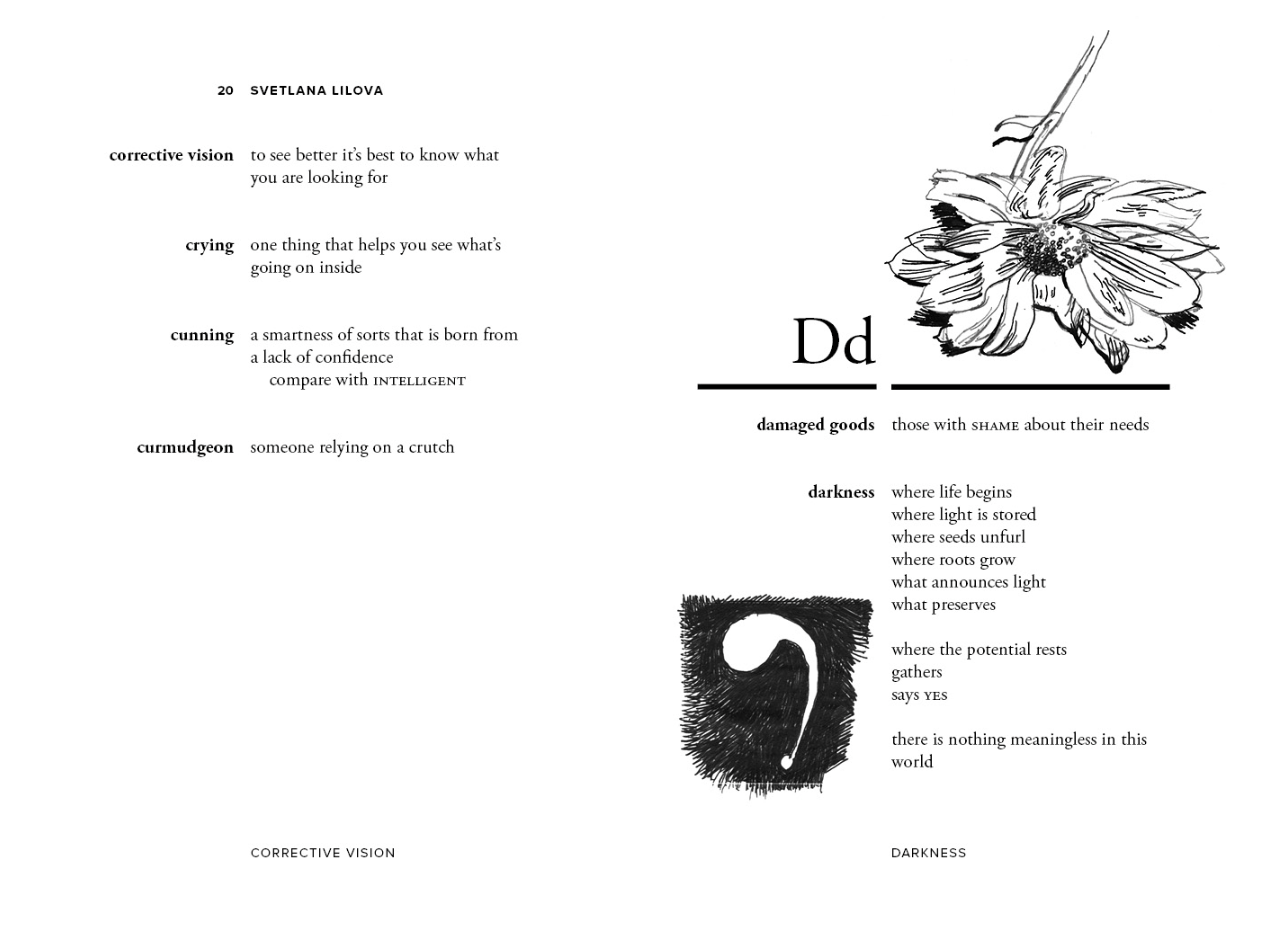
This is such a unique collection. It combines Lilova’s poems with drawings by Graham Falk. The result is as original as it is thought-provoking.

md-1

You can open it anywhere you want and you’ll find something that will surprise or delight you.

md3

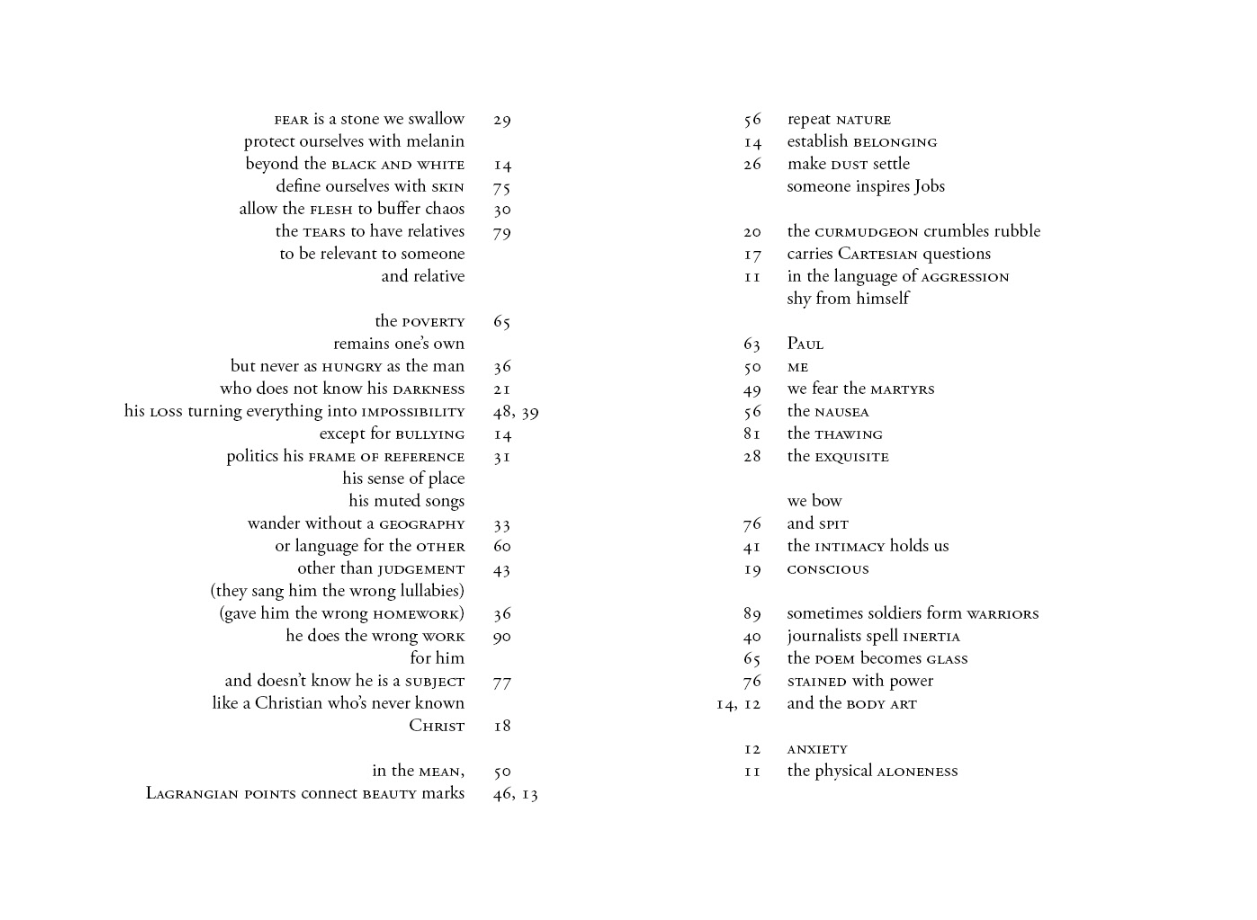
It’s possible to read the book from beginning to end, but it’s equally rewarding to just open it at random and read an entry here and there.

If you click on the images, you can read a few of the entries. Here are some more:

nature      an endless song

a symphony of diversity and balance

inertia  outwardly;

a lot happening on the inside

demanding all attention

vital to attend

focus

inwardly;

not moving enough to produce

a reflection or substance

to focus on

sad      unknown

suffused with rose water

choice     what we all have

md2

This is the kind of book that would make an excellent gift. Not only for lovers of poetry and quirky texts, but also for those who enjoy the combination of words and drawings.md4

The collection has been published by Dumagrad Books, a Canadian publisher I wasn’t familiar with. For those who are interested in independent publishers, don’t miss visiting the website. They have a really appealing catalogue.

Ben Fountain: Billy Lynn’s Long Halftime Walk (2012) Literature and War Readalong September 2016

Billy Lynn's Halftime Walk

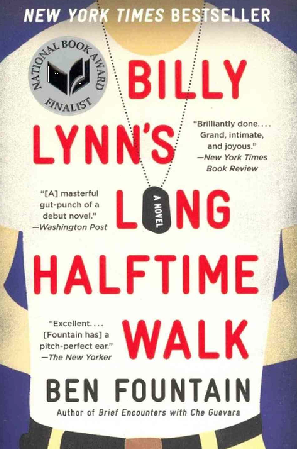
Luckily Billy Lynn’s Long Halftime Walk was one of my readalong titles or I might have given up after fifty pages. I found it hard to get into but once I passed the fifty page mark, I was so engrossed, I could hardly put it down. What a terrific, poignant, witty, and sarcastic book.

The novel is set on the last days of Bravo company’s victory tour. Billy Lynn and his comrades are heroes. They survived a firefight in Iraq, during which they overthrew a group of insurgents. One of the Bravos died in the fight, another one came back disabled. Nonetheless, this “sacrifice” might have passed unnoticed if it hadn’t been filmed by an embedded journalist. As a reward they receive medals and are sent home on a propaganda tour.

This does it; they throw back their heads and roar. In a way it’s so easy, all he has to do is say what they want to hear and they’re happy, they love him, everybody gets along. Sometimes he has to remind himself there’s no dishonor in it. He hasn’t told any lies, he doesn’t exaggerate, yet so often he comes away from these encounters with the sleazy, gamey aftertaste of having lied.

The last day is meant not only as a special tribute but as a special treat. The Bravos assist and participate in a game of the Dallas Cowboys. They are allowed to go back stage and to talk to the players, their manager and their rich Texan supporters. At halftime, they are on the field, right next to the musical attraction – Destiny’s Child. And during every break, the footage of their fight is shown on a giant screen.

During this tour, and especially on this last day, people force themselves on the young men, telling them how much they admire them, asking them questions about the war “Are we winning?” – “Did you kill many?” – “It’s a god war we’re fighting, right?”

Billy who’s done the most heroic thing, is the 3rd person narrator of this story. Like Holden Caufield he is equally precocious and naïve and such a terrific character. One of the central plot lines is his falling in love with a cheerleader. While his testosterone-fuelled feelings might not be love, as he thinks, hers are even further from the feeling as all she wants is “a hero” – “a soldier”, as Destiny’s Child sing. She wants the idea of a man, not the man himself.

“Hi, you’ve reached Faison! I’m not able to take your call right now…”

It makes for an odd sensation, watching her real-time person in the middle distance while holding her disembodied voice to his ear. It puts a frame around the situation, gives it focus, perspective. It makes him aware of himself being aware of himself, and here is a mystery that seems worth thinking about, why this stacking of awareness should even matter. Ant the moment all he knows is that there’s structure in it, a pleasing sense of poise or mental ordering. A kind of knowledge, or maybe a bridge thereto–as if existence didn’t necessarily have to be a moron’s progress of lurching from one damn this to another? As if you might aspire to some sort of context in your life, a condition he associates with adultness. Then comes the beep, and he has to talk.

It’s a very difficult book to review as it’s not very plot-driven. It’s the exuberant style that’s important, the descriptions of the absurdities, the frenzy with wich football and war are celebrated by the very rich, as if both only served one purpose – to make them feel good about themselves and about being Americans.

Where else but America could football flourish, America with its millions of fertile acres of corn, soy, and wheat, its lakes of dairy, its year-round gushers of fruits and vegetables, and such meats, that extraordinary pipline of beef, poultry, seafood, and pork, feedlot gorged, vitamin enriched, and hypodermically immunized, humming factories of high-velocity protein production, all of which culminate after several generations of epic nutrition in this strain of industrial-sized humans? Only America could produce such giants.


No matter their age or station in life, Billy can’t help but regard his fellow Americans as children. They are bold and proud and certain in the way of clever children blessed with too much self-esteem, and no amount of lecturing will enlighten them as to the state of pure sin toward which war inclines. He pities them, scorns them, loves them, hates them, these children. These boys and girls. These toddlers, these infants. Americans are children who must go somewhere else to grow up, and sometimes die.


All the fakeness just rolls right off them, maybe because the nonstop sales job of American life has instilled in them exceptionally high thresholds for sham, puff, spin, bullshit, and outright lies, in other words for advertising in all its forms.

I don’t think I’ve ever come across a contemporary book that was so astute and harsh in its criticism of the negative aspects of American culture. It shows that most things are about money and consumption. And even when people pretend they care about something, they ultimately only care about what it can bring them.

Somewhere along the way America became a giant mall with a country attached.

The book is written in a frantic, quick-paced style, with long sentences and paragraphs that reminded me of listening to a frenzied sports commentator.

Billy tries to imagine the vast systems that support these athletes. They are among the best-cared for creatures in the history of the planet, beneficiaries of the best nutrition, the latest technologies, the finest medical care, they live at the very pinnacle of American innovation and abundance, which inspires an extraordinary thought – send them to fight the war! Send them just as they are this moment, well rested, suited up, psyched for brutal combat, send the entire NFL! Attack with all our bears and raiders, our ferocious redskins, our jets, eagles, falcons, chiefs, patriots, cowboys – how could a bunch of skinny hajjis in man-skits and sandals stand a chance against these all-Americans? Resistance is futile, oh Arab foes. Surrender now and save yourself a world of hurt, for our mighty football players cannot be stopped, they are so huge, so strong, so fearsomely ripped that mere bombs and bullets bounce off their bones of steel. Submit, lest our awesome NFL show you straight to the flaming gates of hell!

Sometimes, when I watch a war movie or read a book about war, I have my doubts. I wonder whether or not it’s really anti-war – as it should. I never wondered for one second while reading this book. It’s not only against war but against the justification, the fake heroism, the phony concern and gratefulness. But it’s kind to the soldiers. They are shown as victims who very often only joined up because they were too poor to do anything else.

I was thinking, if Salinger had written Catcher in the Rye right after 9/11, it might have been a lot like Billy Lynn. I loved the Catcher in the Rye. Needless to say, I loved Billy Lynn.

Since the writing is the most important thing in this book, I’ll leave you with some more quotes:

Don’t talk about shit you don’t know, Billy thinks, and therein lies the dynamic of all such encounters, the Bravos speak from the high ground of experience. They are authentic. They are the Real. They have dealt much death and received much death and smelled it and held it and slopped through it in their boots, had it spattered on their clothes and tasted it in their mouths. That is their advantage, and given the masculine standard America has set for itself it is interesting how few actually qualify. Why we fight, yo, who is this we? Here in the chicken-hawk nation of blowhards and bluffers, Bravo always has the ace of bloods up its sleeve.


Fear is the mother of all emotion. Before love, hate, spite, grief, rage, and all the rest, there was fear, and fear gave birth to them all.


It’s going to be a long, lonesome eleven months in Iraq, long and lonesome being the best-case scenario.


Everybody supports the troops,” Dime woofs, “support the troops, support the troops, hell yeah we’re so fucking PROUD of our troops, but when it comes to actual money? Like somebody might have to come out of pocket for the troops? Then all the sudden we’re on everybody’s tight-ass budget. Talk is cheap, I got that, but gimme a break. Talk is cheap but money screams, this is our country, guys. And I fear for it. I think we should all fear for it.


Other reviews


*******

Billy Lynn’s Long Halftime Walk is the fourth book in the Literature and War Readalong 2016. The next book is the German WWII novel All For Nothing – Alles umsonst by Walter Kempowski. Discussion starts on Friday 25 November, 2016. Further information on the Literature and War Readalong 2016, including the book blurbs can be found here.

Sjöwall & Wahlöö: The Locked Room (1972) Martin Beck Series

the-locked-room

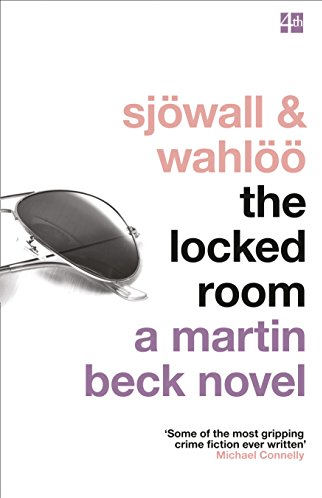
One could say that Sjöwall and Wahlöö are the grandfathers of Swedish crime. They wrote long before Nordic crime was the thing it has become. Their Martin Beck series is said to be one of the best around. A true classic. While the books have been around for as long as I can think, I never picked one up, although I have always been curious. Now, finally, because I was looking for a locked room mystery, I came across the eight title in the Martin Beck series, The Locked Room, and thought I’ll give it a try. I know it’s not ideal to start with book eight in a series but it was OK. I never felt liked I was missing a ton of information. According to Michael Connelly, who wrote the introduction to this book, it’s one of their best.

This book was not what I’ve expected. It was so much better. So good in fact that I immediately downloaded the first in the series.

Detective Inspector Martin Beck isn’t the central character in this book because he’s been shot and only just returned to work after an eighteen month break. To help him get back into the routine, he’s been assigned a minor case. A man has shot himself and Beck has to wrap up the case.

Parallel to this case, we follow the police investigating a bank robbery that has gone terribly wrong. One of the customers was shot. For years, the police have tried to catch a group of bank robbers, but they always escaped. The police are pretty sure that the robbers they are chasing, robbed this bank as well, even though they never shot anyone before.

The readers know from the beginning that someone else has robbed the bank. We also learn that the suicide Beck investigates was a murder. The man was found dead, shot, in a locked room and no weapon could be found.

These are two very different cases. The one Beck investigates is more suspenseful as we only know as much as Beck knows. The other case is rather hilarious. And this is exactly why this series surprised me so much and why I loved this book. Very obviously Sjöwall and Wahlöö were very fond of their character Beck. Beck, who is a bit of a loner, is very intelligent, a thinker, slightly sarcastic and disillusioned but not bitter. His colleagues aren’t too keen on him, they find him bizarre and too unconventional. He’s definitely an outsider. While we can feel how much the authors like Beck, we also notice quickly, how little they think of the police in general. They make fun of the bank robbery squad wherever they can. More than one of their missions turns into a farce. Some of these characters are very likeable too but dorky. Others, especially those higher up in the ranks are just clueless.

I really enjoyed the mix of such different cases. The quiet, introspective case Beck was on and the big bank robbery investigation that took surprising turns and had many funny moments.

Another aspect I liked was that the book was full of social criticism. It’s really quite harsh in places. The authors excoriate Swedish society and politics.

I know that Beck is more prominent in the earlier books, so I can’t wait to read a novel in which he gets more room. He’s a great character.

All in all, a very pleasant surprise. Sharp, pithy writing, combined with dry humour, appealing characters, a realistic setting, and two interesting cases. What more could you want?

Announcing German Literature Month VI

german-literature-month-vi
“Who would want to be without Caroline and Lizzy’s German Literature Month?” asks Sally-Ann Spencer in the 20th anniversary edition of New Books in German. The good news is that neither Lizzy nor I want to be without it. So it is our great pleasure to announce that German Literature Month VI is now inked in our diaries for this coming November.
Albeit a little less structured than in previous iterations. We’ve learned that regular participants are not short of ideas, and love to read as they please.  So that’s what German Literature Month VI is about. Fiction, non-fiction, graphic novels, novellas, short stories, plays, poetry, classic or contemporary, written by male or female, the choice is yours. As long as the original work was written in German, read as you please, and enjoy yourselves!
That said, there are a couple of scheduled activities for those who like to take part in group readings.
1)  Lizzy will be hosting a Krimi week during week two, concentrating mainly on Austrian and Swiss crime fiction. (If anyone is looking for a cracking read to discuss that week, she recommends Ursula P Archer’s Five.)
2) I have scheduled a Literature and War readalong for Friday 25 November. The book for discussion is Walter Kempowski’s All For Nothing.
We are very much looking forward to this, and hope you will join us. Don’t forget to tell us your plans. There’s often as much fun in the planning as there is in the reading!
If you need ideas – go to the German Literature Page on this blog or to the GLM blog.